My Second Chance with White Rhinos at Lake Nakuru
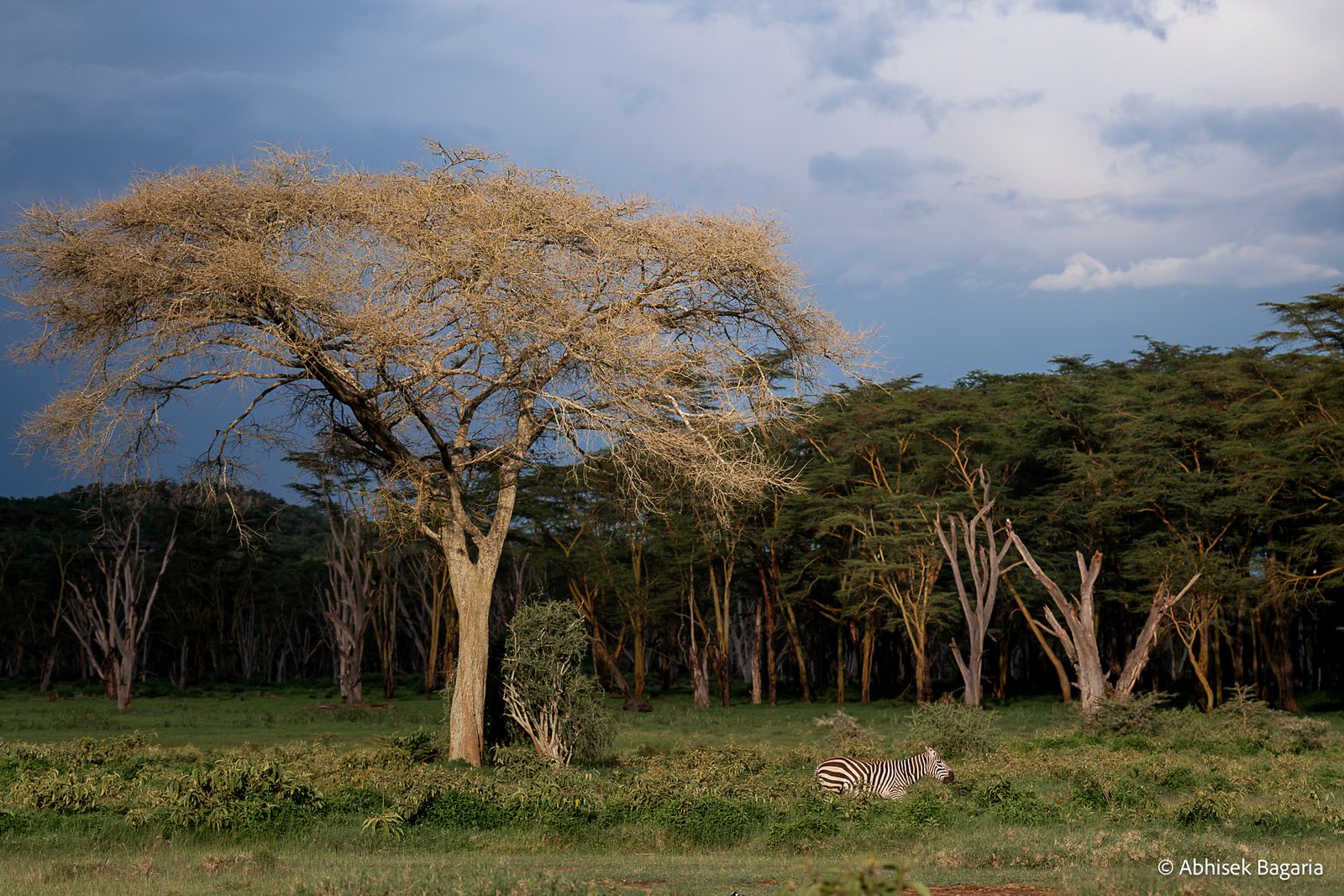
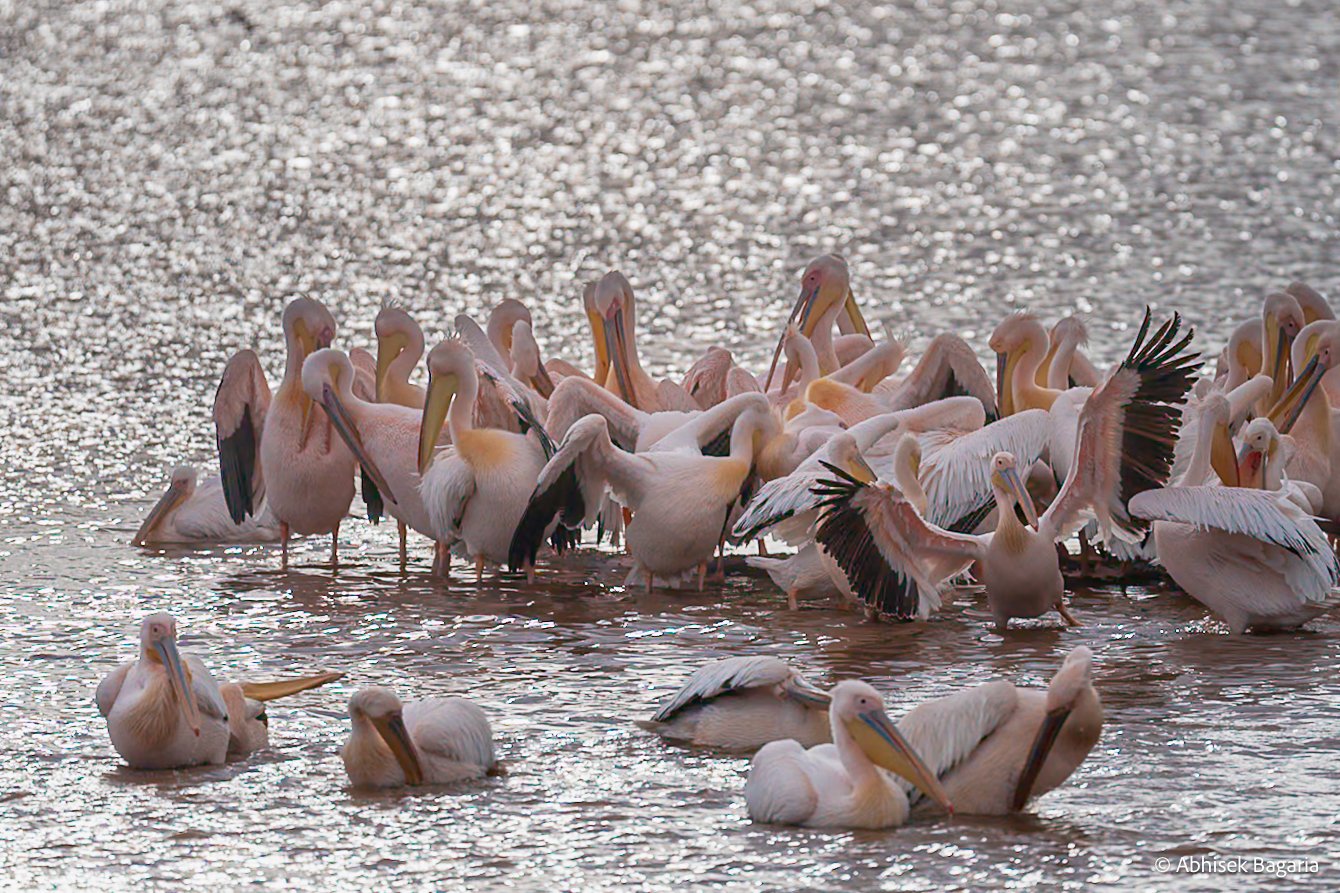
The rumbling came from deep in the bush. I thought it was a zebra. There were several grazing nearby, and I was busy photographing pelicans along the lake shore.
Then the sound grew louder.
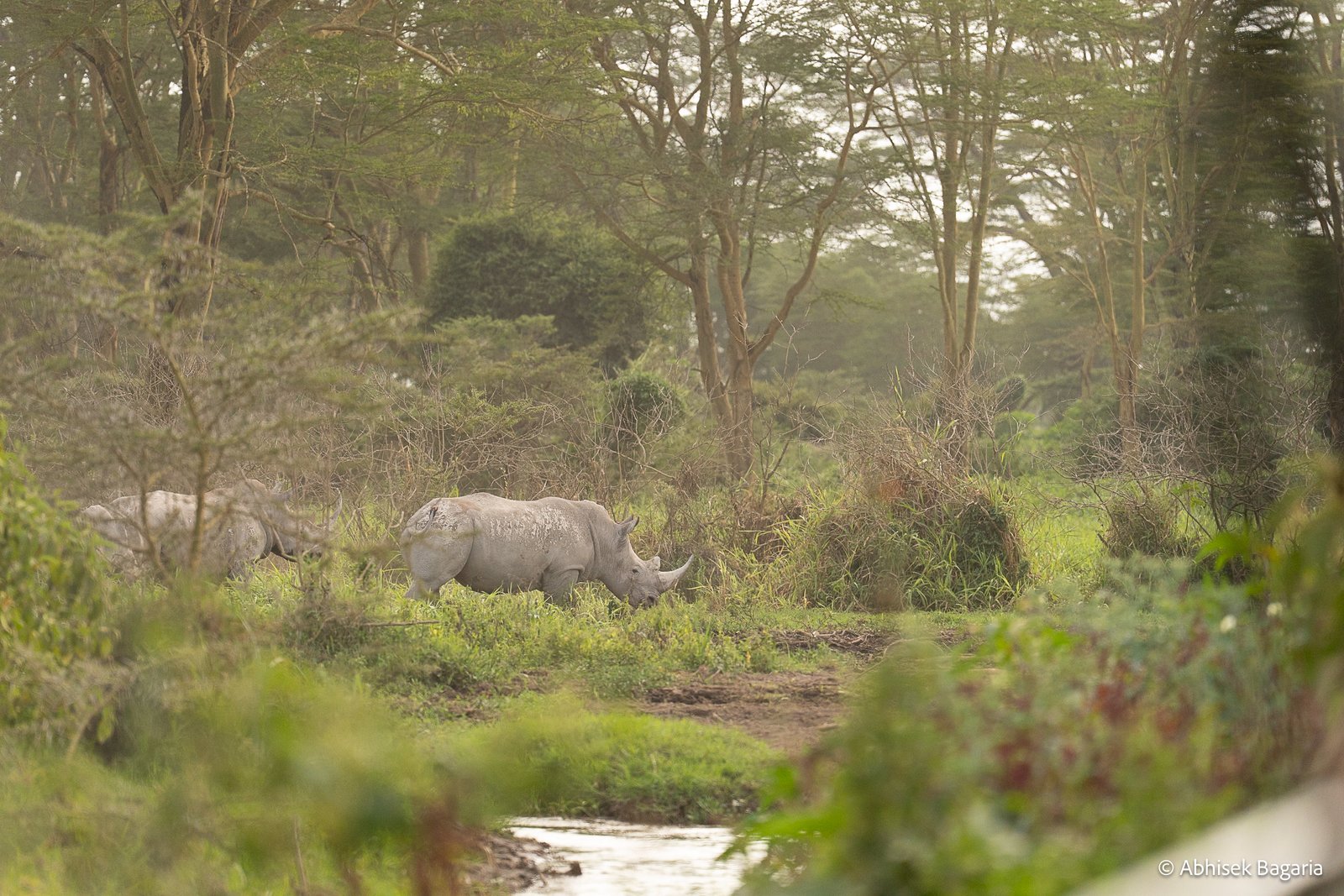
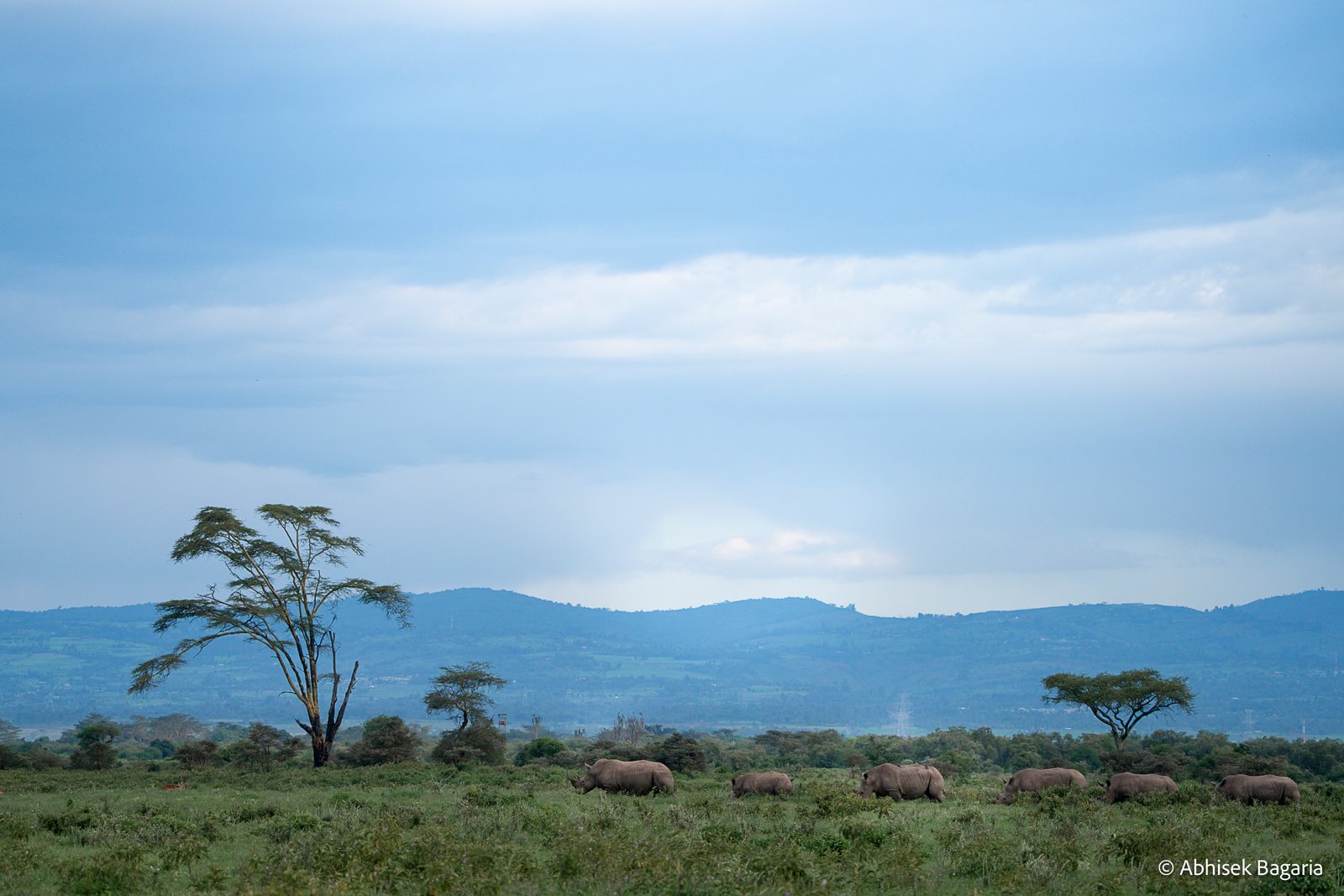
What emerged wasn’t a zebra at all. For ten, maybe twenty seconds, I simply stood there. My camera hung forgotten in my hands as five massive bodies moved into the open grassland, followed by a smaller sixth figure staying close to its mother.
A crash of southern white rhinos.
I had visited Lake Nakuru National Park before this moment. The first time, I caught only a distant glimpse of a single rhino disappearing into thick bush. That’s the reality of wildlife viewing. You can’t control what nature decides to reveal.
But this was different. This was the moment every wildlife photographer dreams about.
Living Fossils Walking
White rhinos look like they walked straight out of the age of dinosaurs. Massive, armoured, ancient. Standing before them feels like standing at the edge of deep time.
Lake Nakuru today holds one of Kenya’s most important rhino populations. Both southern white rhinos (Ceratotherium simum simum) and the critically endangered eastern black rhino (Diceros bicornis michaeli) live here inside a relatively small, fenced park that was deliberately set aside as a secure refuge during the height of Africa’s rhino poaching crisis.
Kenya began establishing fenced rhino sanctuaries in the mid‑1980s, and Lake Nakuru became one of the country’s first dedicated strongholds for the species. At that time, rampant poaching had driven rhino numbers across Africa from tens of thousands to just a few thousand individuals. Black rhinos in particular had lost more than 95 percent of their global population over a few decades.[source: An analysis of threats, strategies, and opportunities for African rhinoceros conservation]
From a small founder group in the 1980s, Nakuru’s rhinos have been built up over time through careful protection and translocations, turning the park into a flagship example of how intensive conservation can pull a species back from the brink.
The Weight of What I Was Seeing
What struck me most wasn’t just their size or prehistoric appearance. It was understanding what their presence represented.
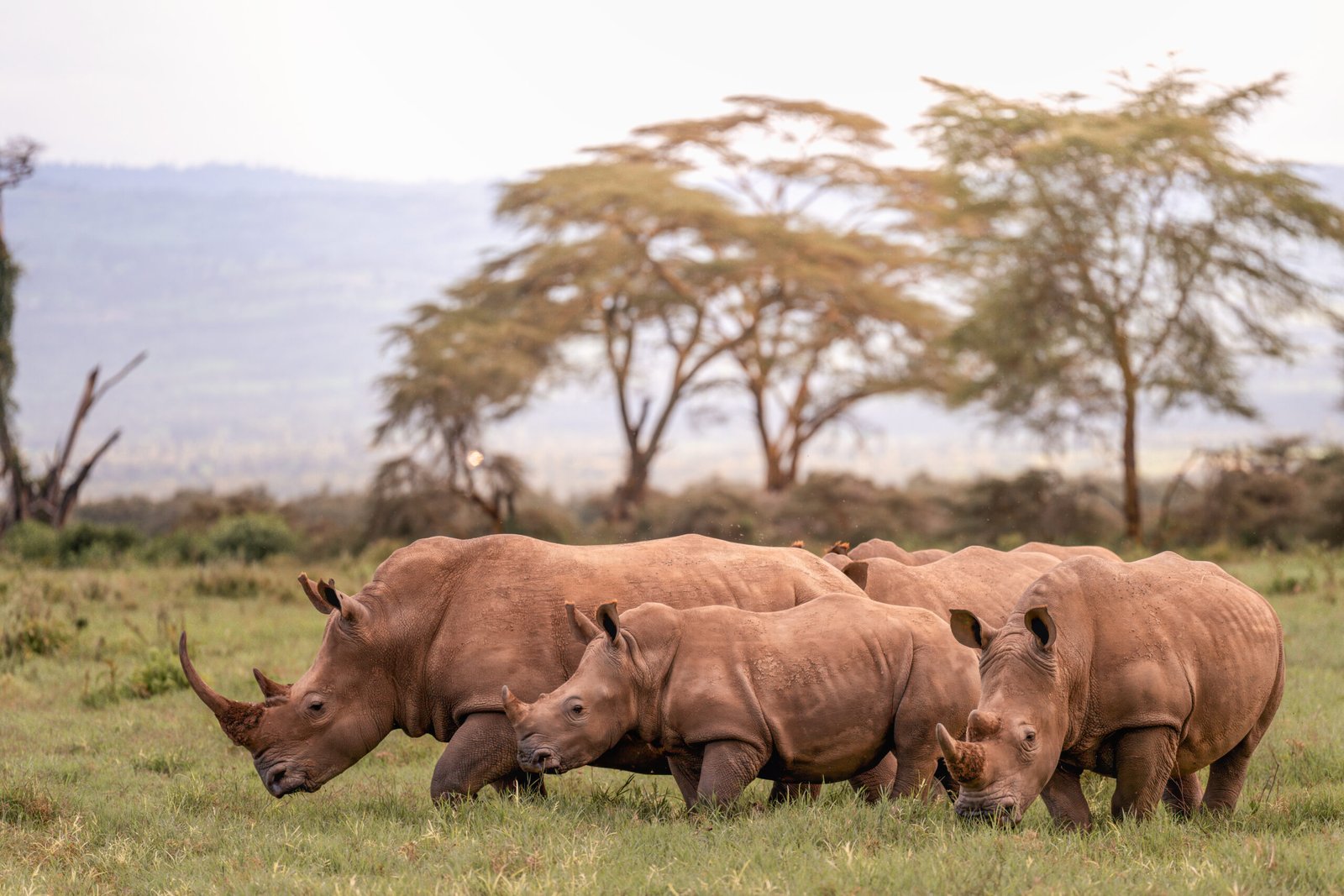
White rhino reproduction is painfully slow. Females carry their calves for about 15–16 months. After birth, the mother protects her calf for another two to three years before she breeds again. In good conditions, that works out to roughly one calf every three to five years and that’s only if both mother and calf survive disease, predators, and, above all, poaching.
In that context, the subadult in the group I photographed represented years of successful protection. In landscapes where poaching remains one of the primary threats to rhino survival, every calf that survives to independence is a small miracle.
Lake Nakuru’s intensive protection model is what makes those miracles possible. The park is fully enclosed by an electric perimeter fence, which allows rangers to monitor access tightly and to respond quickly to incursions. Inside that fence line, the rhinos live in a relatively compact space, which makes regular monitoring, veterinary care, and security operations more feasible than in open, unfenced systems.
Across Kenya and southern Africa, modern rhino security increasingly combines 24/7 ranger patrols with tools like GPS tracking collars, camera networks, aerial surveillance, and in some sites thermal imaging and other sensor technologies. Lake Nakuru is managed within this broader intensive‑protection approach: a blend of boots on the ground, data on screens, and a constant race to stay one step ahead of would‑be poachers.
A Sanctuary Under Siege
Lake Nakuru sits wedged between urban development and wilderness. Driving from Nairobi toward the Maasai Mara, the park feels like a side‑step off the main route- a detour into a pocket of wildness surrounded by farms, towns, and a growing human population.
Its uniqueness extends beyond rhinos. The alkaline lake has long been famous for attracting enormous numbers of lesser flamingos, turning the shoreline into a shifting ribbon of pink. For decades, images of flamingos massed on Nakuru’s shallows helped define the visual identity of East African wildlife.
When conditions align, the interplay between rhinos grazing on the surrounding grasslands and flamingos crowded into the pink‑tinged shallows creates photographic possibilities that feel almost surreal.
But this ecosystem faces mounting pressure. Over roughly the last decade and a half, rising lake levels have transformed both the shoreline and the surrounding habitats. One study documented Lake Nakuru expanding from about 35 km² in 2009 to roughly 54 km² in 2018-a more than 50 percent increase in surface area that flooded forest, grassland, and tourist infrastructure. Broader hydroclimatic analysis of Rift Valley lakes shows that higher rainfall, reduced seepage, and catchment‑level land‑use changes have all contributed to these rising water levels.
For rhinos, this is not an abstract hydrological issue. Every hectare of grassland lost to the advancing lake margin is a hectare less for grazing and space. In a small, fenced park, there is effectively no “new” land to move into. Population viability analysis for Lake Nakuru’s black rhinos has shown that if habitat continues to shrink and carrying capacity declines, even in the absence of heavy poaching, the risk of population decline or eventual extinction over the coming decades rises sharply. In other words, if habitat loss continues unchecked, it can undo the gains achieved by decades of successful anti‑poaching work.
Why This Matters
I’m a big fan of rhinos. In India, where I frequently photograph wildlife, I’ve tracked the greater one‑horned rhino (Rhinoceros unicornis), a distinct species found only in parts of India and Nepal. Conservation action there has brought the species back from fewer than 200 animals in the early 20th century to thousands today, though climate change and habitat fragmentation now threaten some of their strongholds.
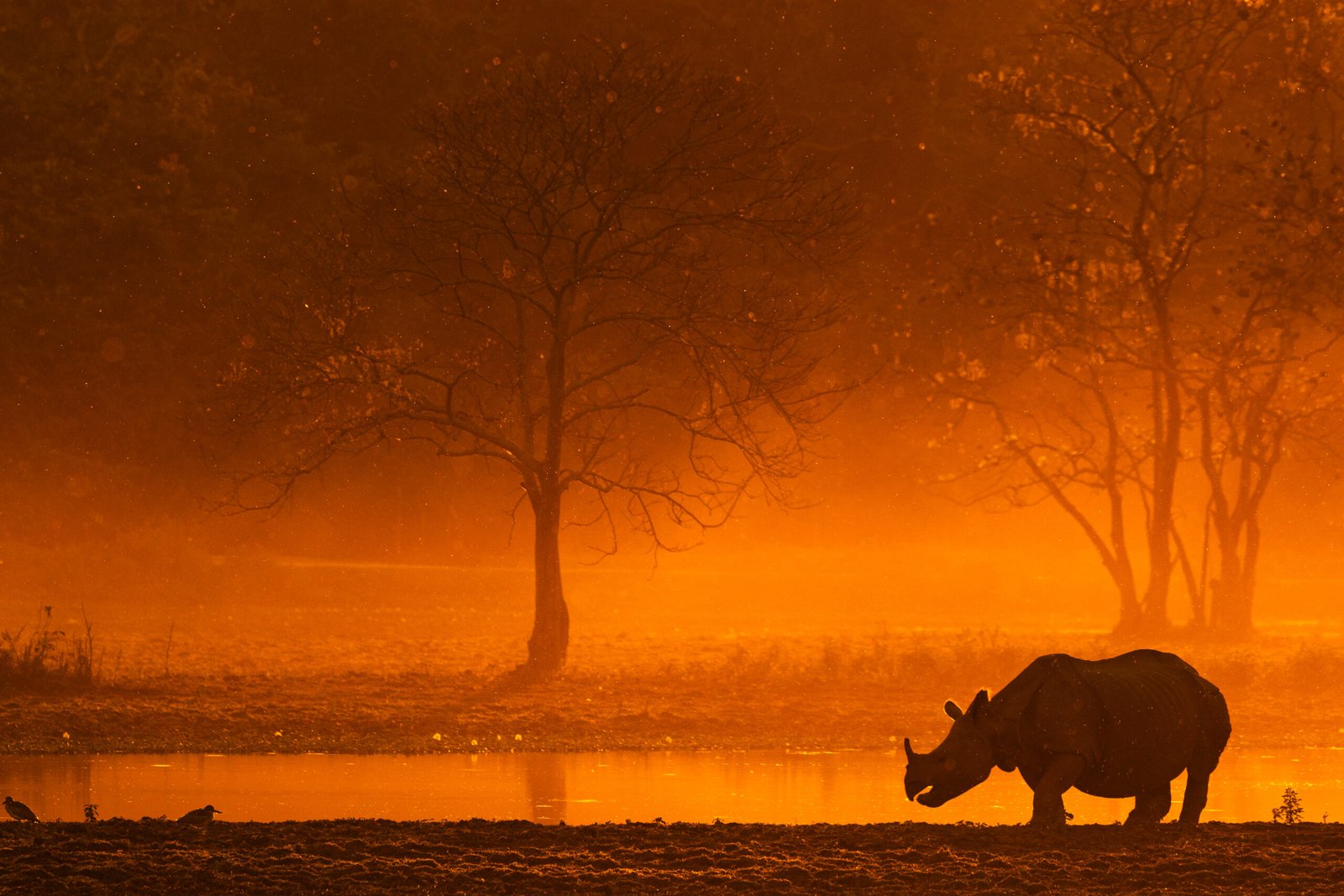
That single‑horned Asian giant differs in appearance and ecology from Africa’s two‑horned white and black rhinos, yet all share the same prehistoric bearing and the same fragility in the face of human pressure.
I haven’t yet photographed black rhinos, which in Lake Nakuru tend to favour thicker, woody habitats over open grassland, making them naturally more elusive than their white rhino neighbours. Perhaps during my next visit.
Every rhino sighting feels like witnessing something that shouldn’t still exist. These animals are survivors from a lineage that stretches back millions of years. They outlasted the climatic swings and ecological upheavals that drove many other large mammals to extinction in the Pleistocene.
The idea that they might not survive the next few decades because of human decisions—demand for horn, land‑use change, and an overheating climate is almost incomprehensible.
The Moment I’ll Never Forget
Lake Nakuru demonstrates what is possible when a country treats rhino conservation as a genuine priority. Kenya’s shift toward fenced sanctuaries, intensive protection zones, and carefully managed translocations has helped stabilise and, in some cases, grow rhino numbers after catastrophic losses in the late 20th century.
Nakuru’s role in that story is significant: a relatively small park that has functioned as a secure breeding and insurance population for both black and white rhinos, even as wildlife has declined dramatically in many of Kenya’s more open, human‑dominated landscapes.
However, the sanctuary’s future can’t be secured by fences alone. Protecting rhinos from poachers has proven achievable with enough fencing, funding, and security infrastructure. Protecting rhino habitat from climate‑driven flooding, watershed degradation, and the squeeze of surrounding development is a different kind of challenge altogether.
It demands work beyond park boundaries: better land‑use planning in the catchment, restoration of degraded areas, sustainable water and soil management, and policies that recognise that what happens upstream from farms, roads, and towns ultimately shapes the fate of species inside the fence.
When I finally remembered to lift my camera and capture those six rhinos moving across the grassland, I wasn’t just photographing animals. I was documenting a fragile success story at a critical juncture.
That crash of white rhinos moved slowly across the grassland, grazing peacefully, unaware of the complex human systems-rangers, scientists, policymakers, communities, and global supporters-working to ensure their survival. For those twenty seconds before I raised my camera, I simply watched them exist, ancient and magnificent, still here against considerable odds.
That’s what we’re fighting to preserve. Not just rhinos, but the possibility that future generations will also stand speechless before these living relics of deep time, grateful that we chose to protect them when it mattered most.
This article is based on my field visits to Lake Nakuru, available secondary research, and select academic papers liked in the text. If you spot any inaccuracies, please let me know so I can correct them.
This encounter with Lake Nakuru’s rhinos, along with twelve other moments from India and Kenya’s wild places, is part of my 2026 desk calendar, 13 Moments from the Wild – by Abhisek Bagaria. It’s a limited edition, so if you’re interested, grab one while they’re still available.
I’m offering a 25% discount with the code RHINO25. Right now, I’m only shipping within India, but if you’re reading this from somewhere else and want a copy, get in touch, and we’ll figure something out.
Soon, I’m planning to share a detailed story on the Indian greater one-horned rhino. You can also subscribe to my YouTube channel at youtube.com/@abhibagaria