








This atlas is in beta. I am still checking facts, ranges, and species lists, so some of it may be wrong or incomplete. It is here early so these places get seen. If you spot an error, write to me.
Bandipur Tiger Reserve
BetaAlso known as Bandipur National Park
A Nilgiri tiger reserve of deciduous forest and grassland, among the best places in the south for elephants.
Why this place matters
Major Western Ghats tiger reserve forming part of the Nilgiri Biosphere Reserve, central to long-term conservation of wild Asian elephants, tigers and associated moist and dry deciduous forest biodiversity.
The wildlife
Important tiger reserve within the Nilgiri landscape, with good densities in moist and dry deciduous forest.
Large herds frequently visible along forest edges and open grassy patches.
Common in meadows and along water sources.
Widespread in forest and scrub, often encountered on tracks.
Wild dog packs occasionally seen hunting deer in open forest.
The wider field list, with current IUCN Red List status.
Mammals
 Asian elephantElephas maximusENEndangered
 Bengal tigerPanthera tigris tigrisENEndangered
 DholeCuon alpinusENEndangered
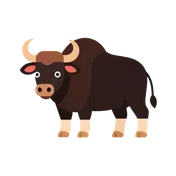 Gaur (Indian bison)Bos gaurusVUVulnerable
 Sambar deerRusa unicolorVUVulnerable
 Sloth bearMelursus ursinusVUVulnerable
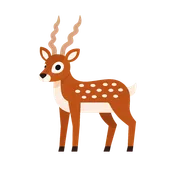 Chital (spotted deer)Axis axisLCLeast Concern
 Indian leopardPanthera pardus fuscaNTNear Threatened
Birds
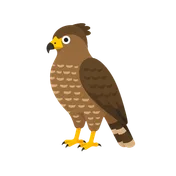 Crested serpent eagleSpilornis cheelaLCLeast Concern
 Grey junglefowlGallus sonneratiiLCLeast Concern
 Indian peafowlPavo cristatusLCLeast Concern
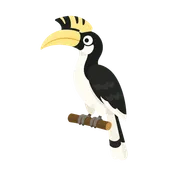 Malabar pied hornbillAnthracoceros coronatusNTNear Threatened
Reptiles
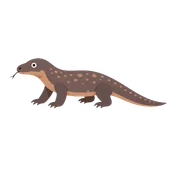 Bengal monitorVaranus bengalensisNTNear Threatened
 Indian rock pythonPython molurusNTNear Threatened
Notable birds include Indian Peafowl, Malabar Pied Hornbill, Crested Serpent Eagle and Grey Junglefowl. Reptiles include Indian Rock Python and Monitor Lizard.
Plan your visit
Post-monsoon forests are green and scenic with active birdlife; summer draws elephants and other mammals to remaining water sources, improving encounter chances despite the heat.
- Zones
- Bandipur tourism ranges accessed from the main reception
- Safari
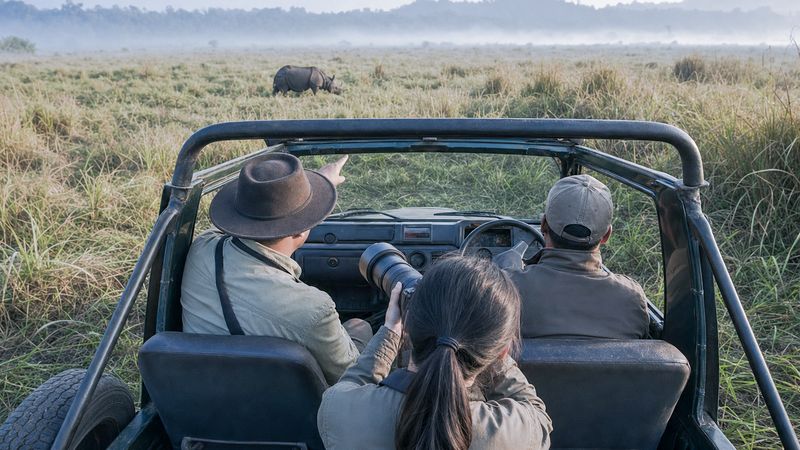
- bus and jeep safaris run by the Karnataka Forest Department (and authorised operators)
- Typical sightings
- Elephant herds along roadsides and meadows, chital and sambar in open glades, gaur and occasional tiger or leopard on tracks.
- Light and terrain
- Open forest and meadows give good dawn and dusk light; dust and haze may affect longer lenses in the dry season.
- Hides
- No general public hides; viewing is from departmental vehicles on designated routes.
- Good to know
- Limited seats on departmental safaris; strict no-safari after dusk; occasional night road closures on the highway to protect wildlife movement.