


The Journal
← Back to the journalThe full archive
Everything from the field, newest first. 16 dispatches.
Essays12
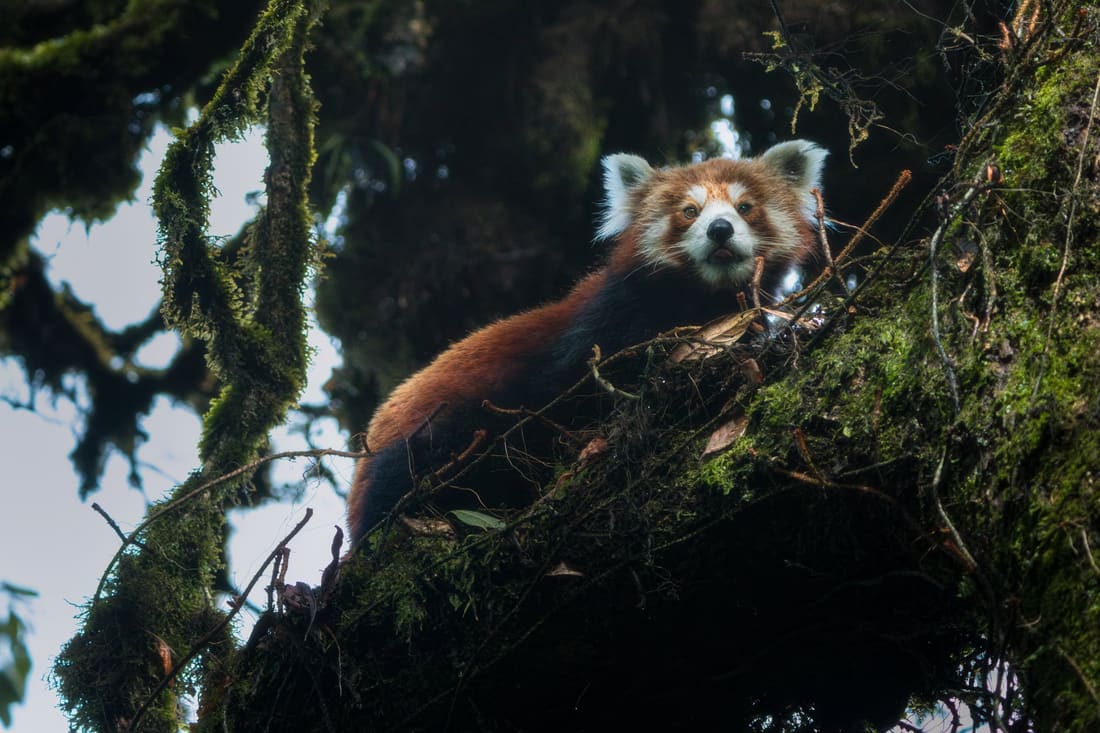
Their Language: Why I Photograph Wildlife
Since childhood I have wondered why people are so fascinated by wild creatures. It took me a long time, and a camera, to find my own answer.
Read →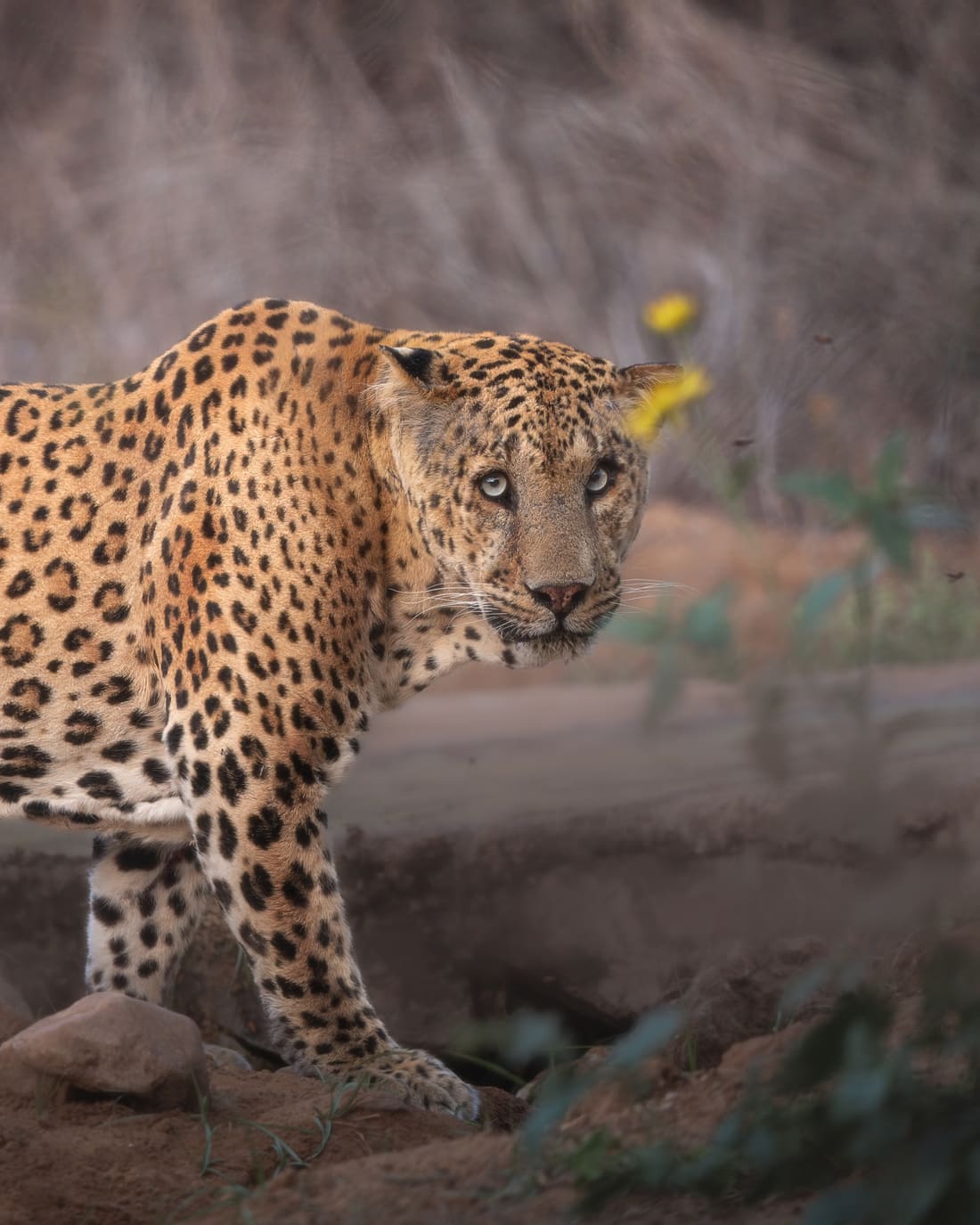
Jhalana Leopard Photography: A Field Guide
Jhalana is a leopard reserve in the middle of a city. This is a field guide to how that peculiar place works: the seasons, the permits, the famous leopard on the old buildings, and why the drivers matter more than the gear.
Read →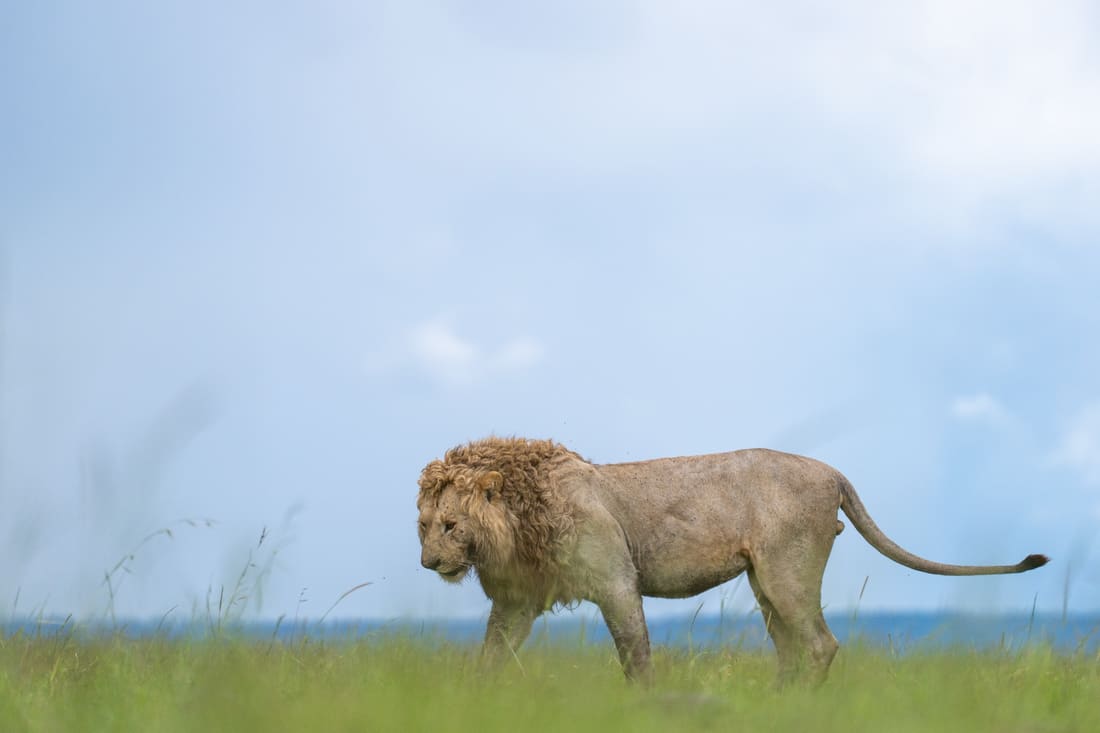
Masai Mara Wildlife Photography: A Field Guide
Most first visits to the Mara chase the migration and come home with crowds in the frame. This is a field guide to the other way: when to go, where to work, and how to make frames you keep.
Read →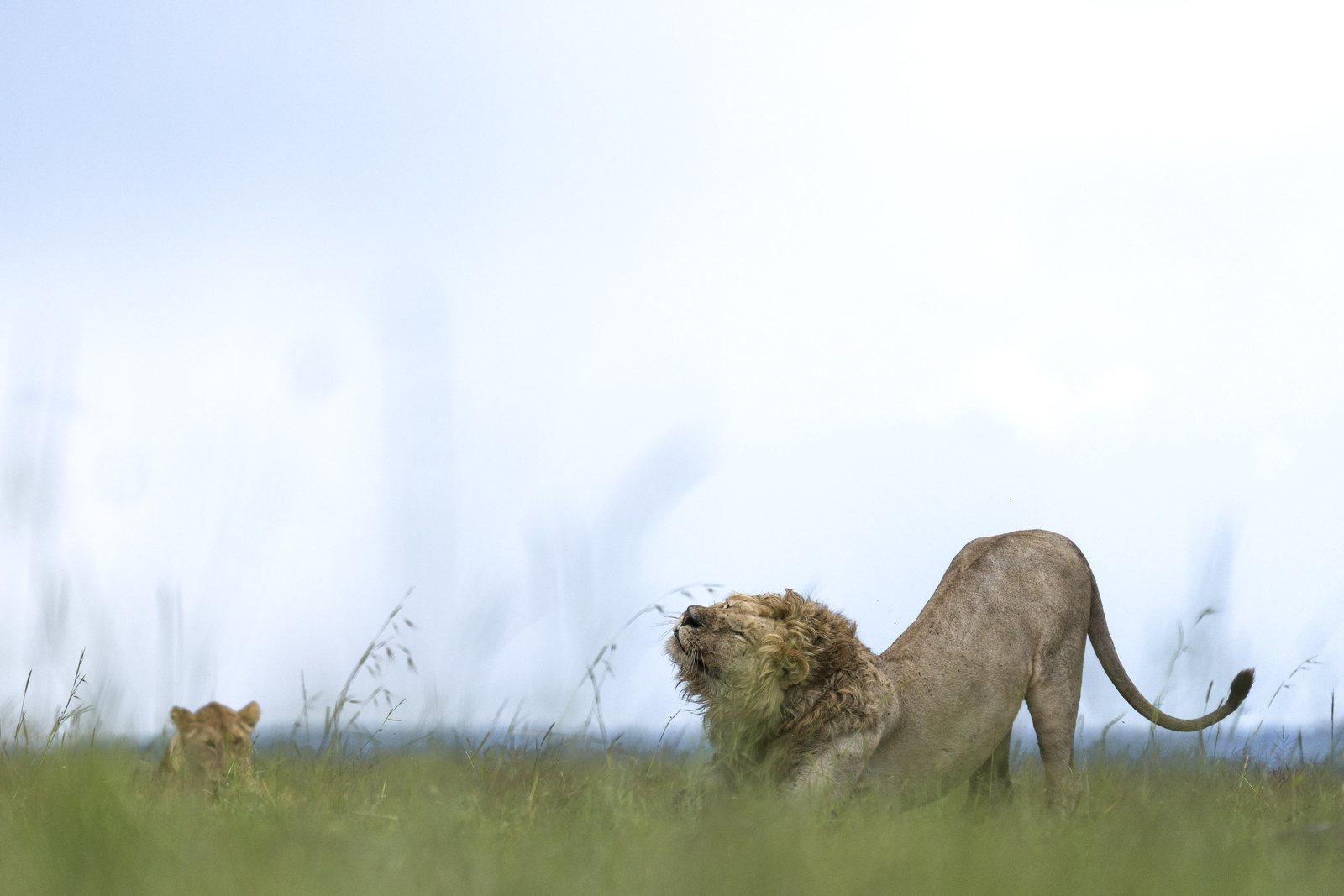
Beyond Taste: Why Visual Literacy Is the Skill That Actually Matters
Generative AI made execution easy, and now everyone says taste is the last human advantage. I think that is the wrong word. What actually separates the work is visual literacy, the ability to say exactly why something works.
Read →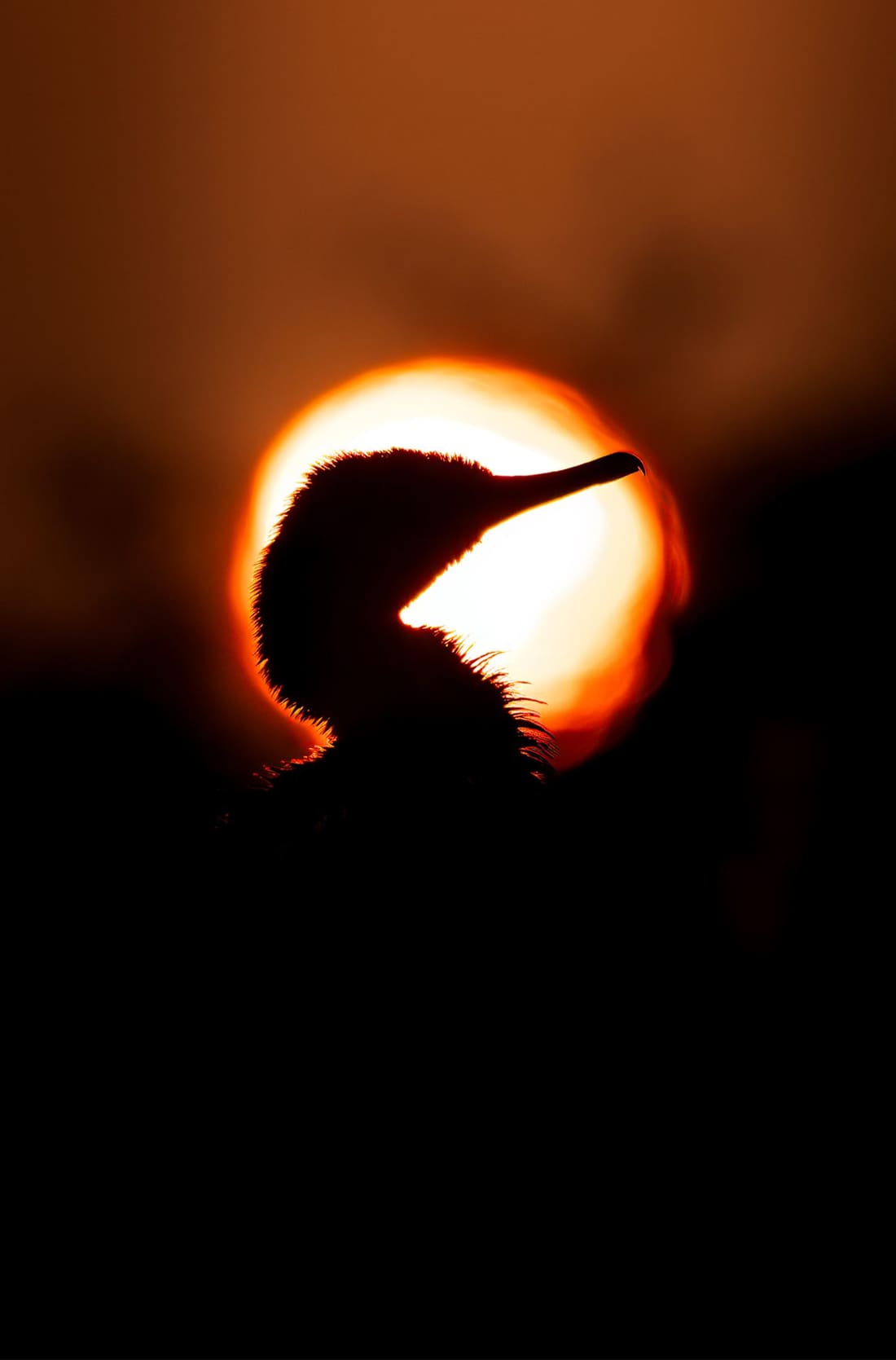
Bharatpur Bird Photography: A Field Guide
Most first visits to Bharatpur come home with too many photographs and few good ones. This is a field guide to the other way: when to go, how the wetland gets you close, and how to make frames you keep.
Read →
Kaziranga Wildlife Photography: A Field Guide
Most first visits to Kaziranga come home with a card full of rhinos and few photographs. This is a field guide to the other way: when to go, which ranges to work, and how to make frames you keep.
Read →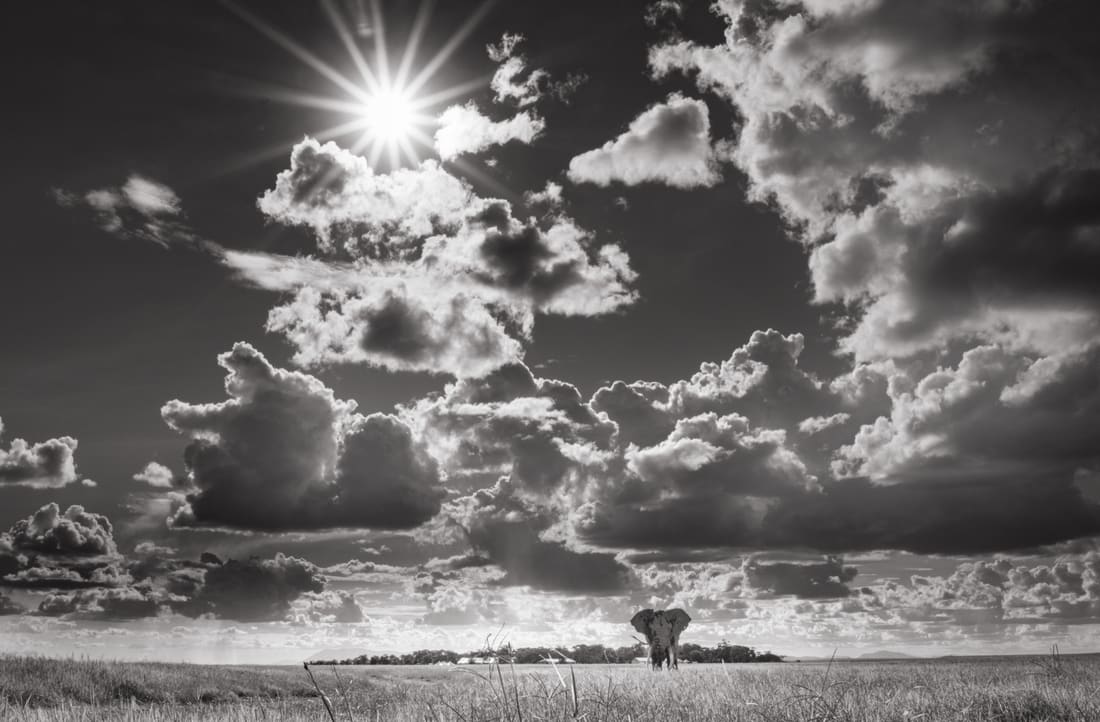
The Frame as a Decision
The world has no edges. The moment you raise the camera you draw one, and where you place that edge, close to your subject or far from it, decides how the whole photograph feels.
Read →
The Whole Animal vs the Telling Detail
Zoomed all the way in and the photo still feels flat? The fix is choosing a fragment, a claw, an eye, a fold of skin, and letting the viewer's mind build the rest of the animal.
Read →
Against the Storm: Making a Desert Night Photograph
The wind was throwing sand across the Thar. For a few seconds, the light, the posture, and the storm lined up.
Read →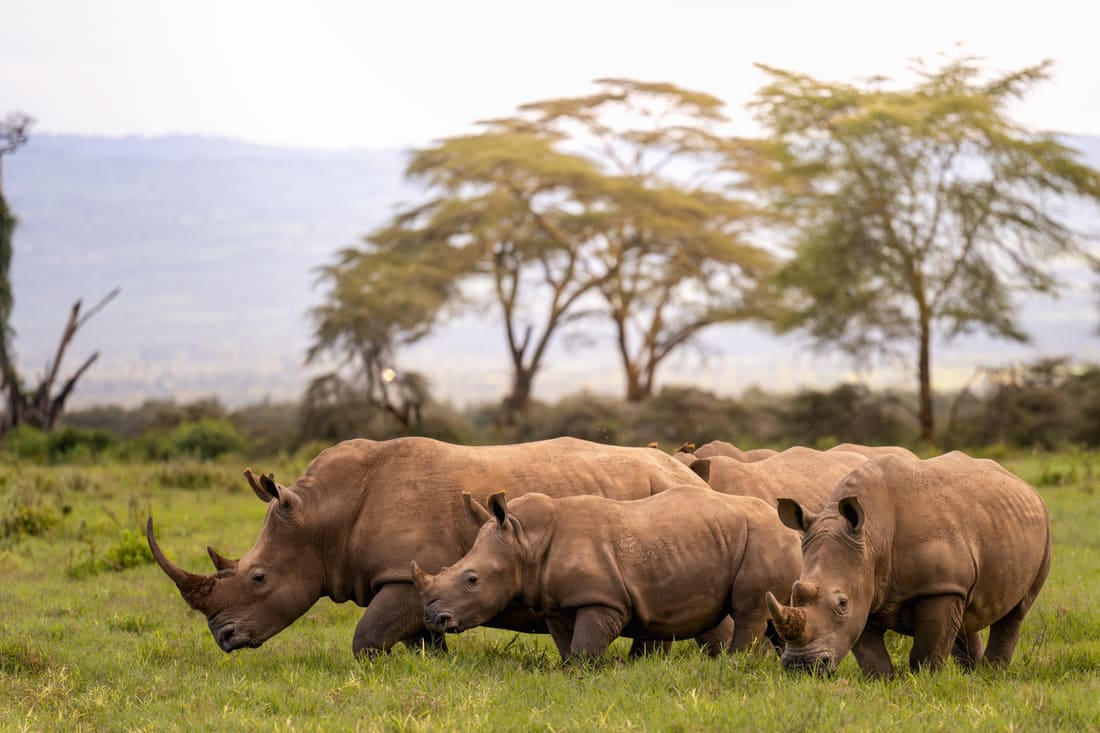
My Second Chance with White Rhinos at Lake Nakuru
The rumbling came from deep in the bush. I thought it was a zebra. There were several grazing nearby, and I was busy photographing pelicans along the lake shore.
Read →
Behind the Leaf: A Quiet Moment with a Vine Snake
The rain had stopped. I was standing somewhere in the Amboli forest with my headlamp on, trying to see anything in the thick darkness. That's when I noticed it. A vine snake, perfectly still behind a torn leaf.
Read →
Seven Wildlife Photography Habits That Make Better Frames
You came home sure you'd caught something good, then opened the files and the frame looked flat. Most of the time the fix isn't gear, it's a few decisions in the field. Here are the seven that matter most.
Read →
Videos1

Tutorials3

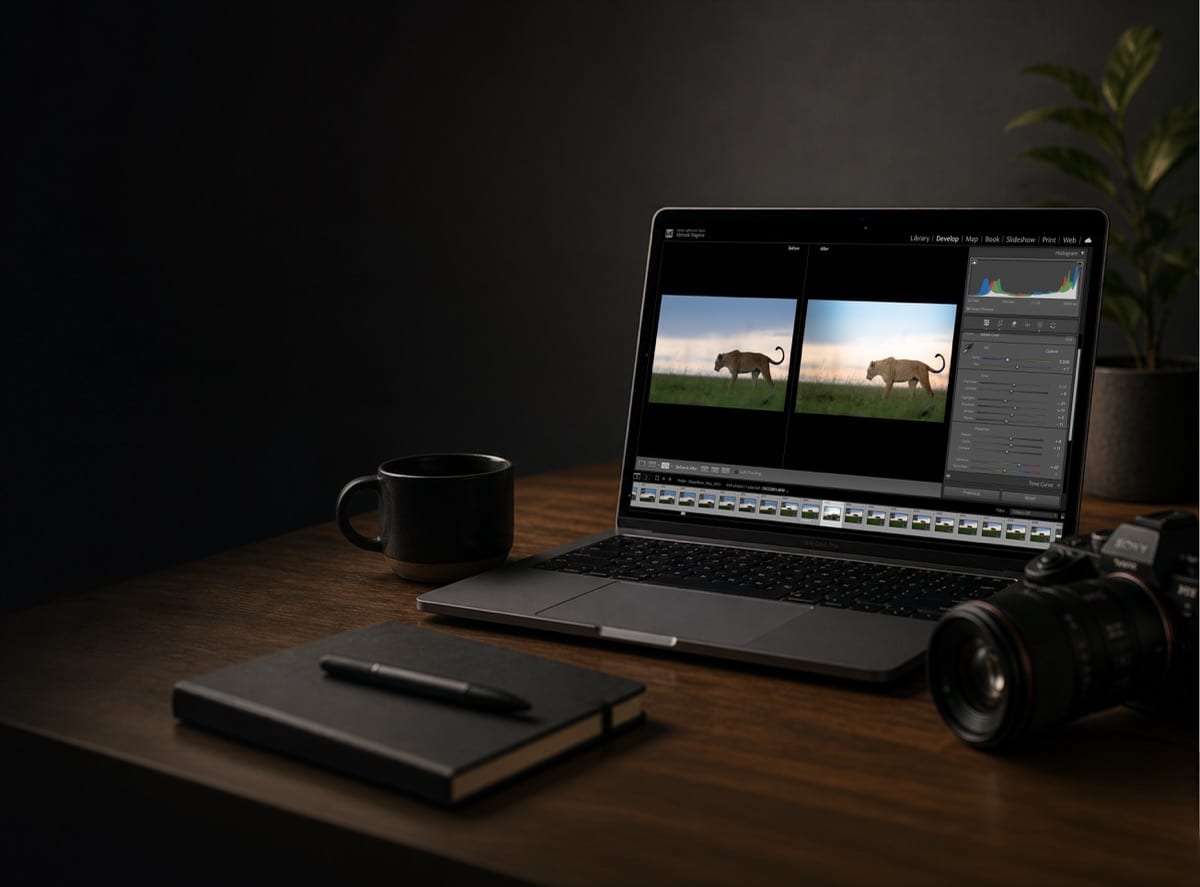
Five ways to copy and paste edits in Lightroom
When you have built a look you like on one frame, you rarely want to rebuild it by hand on the next two hundred. Five ways to move develop settings from one image to a whole take.
Watch →
The Art of Subtraction in Wildlife Photography
A majestic animal can still turn into a messy frame. The fix is not adding more, it is subtracting the noise: where you stand, how you frame, and when you wait.
Watch →
Why Your Wildlife Photos Are Blurry (And How to Fix Them)
You wait forty-five minutes in the cold. The tiger finally steps out of the bush. You raise the camera, hold your breath, and press the shutter. Then you look at the back of the screen, and your heart drops. Soft again.
Watch →
The field
Where these essays were made
The field guides here come from places I keep returning to with small groups. If one is pulling at you, see when I am going next, or work with me one to one between trips.