



Have you ever stood in front of a scene in the wild and tried to fit the whole animal, the waterhole, and the trees into a single frame? Or done the opposite, zoomed the lens all the way in to get as close as possible, and found the photo feels strangely flat?
I have done both of these things more times than I can count.
I look at a lot of beginner photos, and the instinct is almost always to zoom in and make the subject huge. I understand it completely. Bringing a distant animal right up to your eye is a real thrill, and it is a fine starting point. But the actual work begins once you are zoomed in. Most beginners do not know what to focus on at that distance, so they place the middle of the animal in the middle of the frame and press the shutter.
I want to show you why that weakens the photo, and how to fix it with one first principle of how human beings see.
Your mind finishes the frame
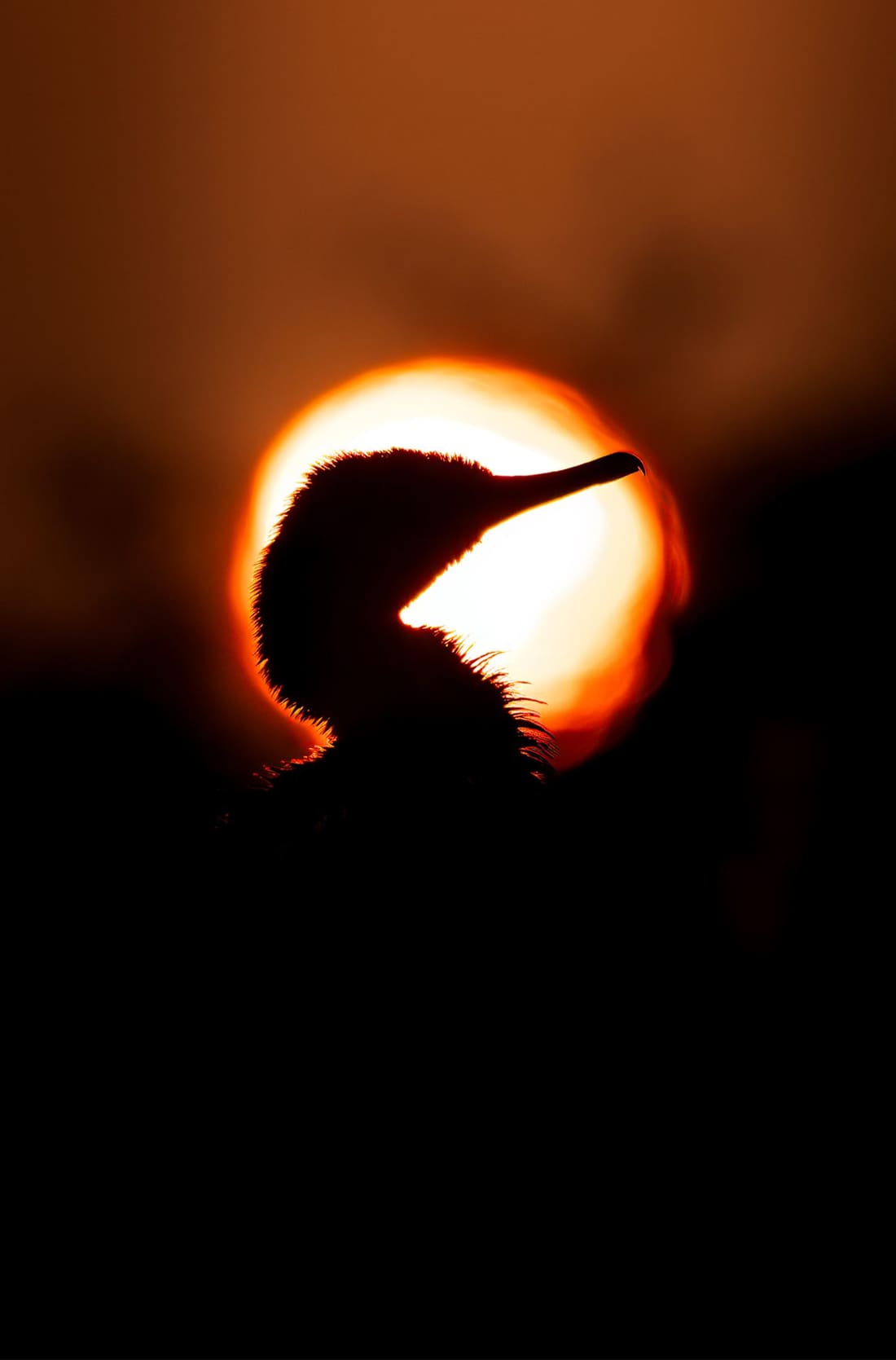
In psychology this is called closure. Show the brain a small, incomplete fragment of a shape or a story, and it fills in the missing pieces on its own. We do not need to see the entire thing to feel its presence. A single telling detail is often stronger than the whole.
Think about how we read each other. Nobody has to narrate their whole day for you to know they are tired. You watch them rub their eyes once. The detail tells the whole story.
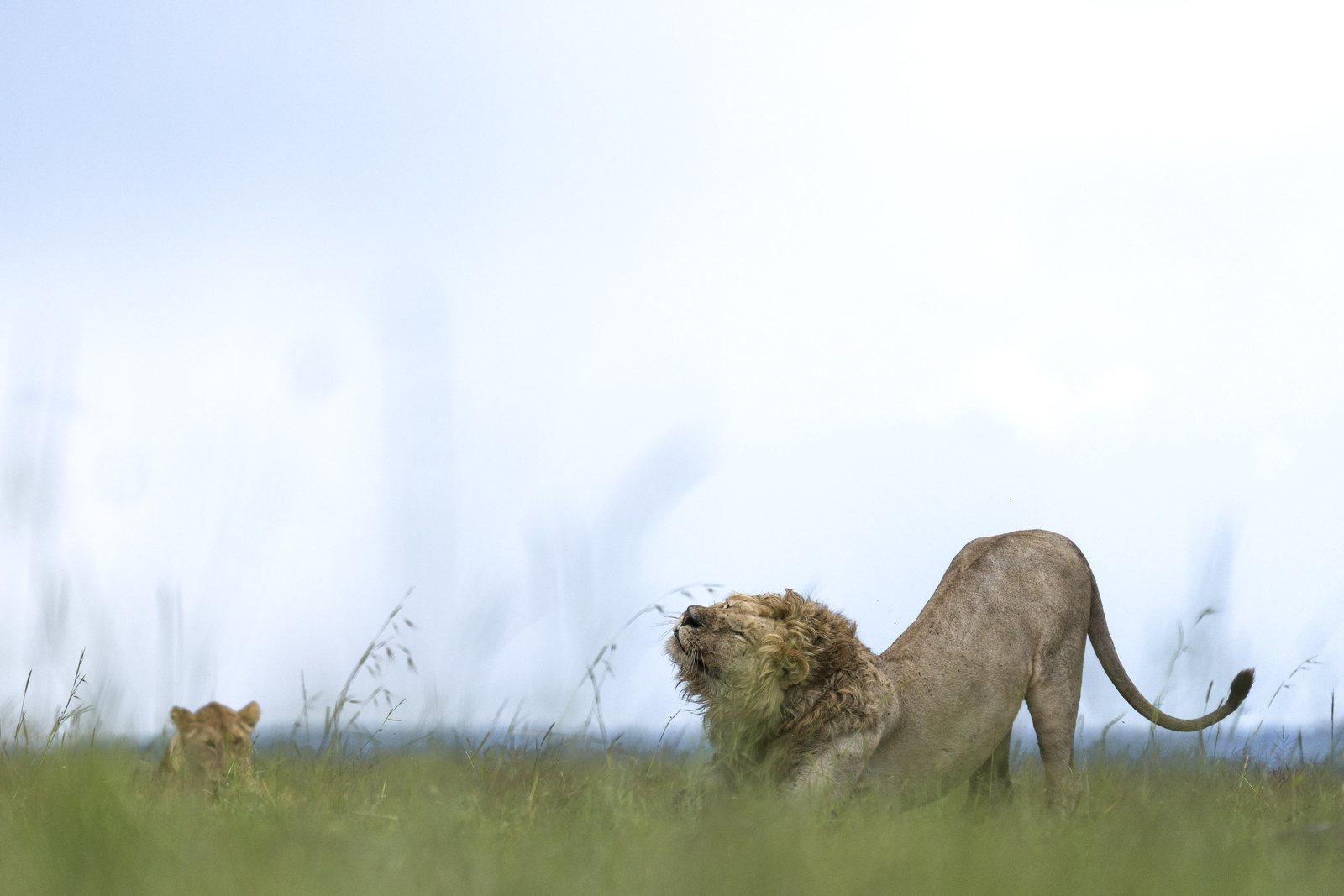
 The Claws of Compassion. His claws stay sheathed, and that one detail carries the entire story: presence, not violence.ISO 250 · f/2.8 · 1/1600s · 200mm
Out in the field, this gives you a deliberate choice every time you lift the camera. Are you documenting the whole animal, or are you isolating the one detail that lets the viewer build the rest?
Where to find the telling detail
Once you are zoomed in, your job is no longer to show the animal. Your job is to find the fragment that defines it. Three places I look first:
- The tools of survival. Do not settle for a tight shot of a bird on a branch. Look closer. Fill the frame with the talons gripping the wood, the texture of the scales, the lock of the grip. With the rest of the bird gone, the viewer feels nothing but that grip, and their mind builds the raptor outside the edges of your frame.
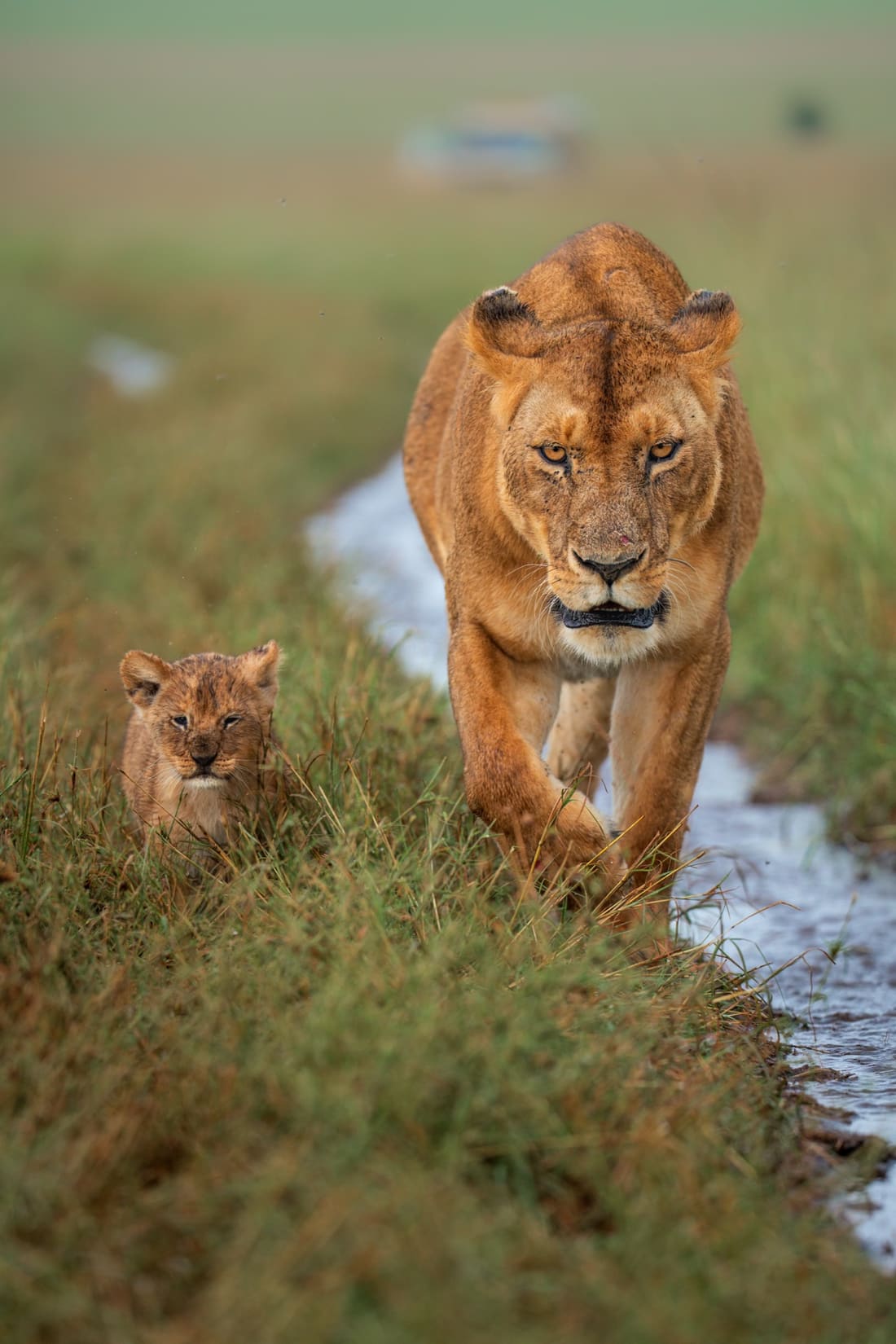
- The eyes. In visual design we talk about visual weight: some things pull the eye like gravity, and nothing pulls harder than an eye looking back. The frame at the top of this essay is a lioness reduced to almost nothing but her amber eye and the scars around it, and she holds your attention longer than a full-body portrait would.
- The texture. The plates and folds of a rhino's skin, the powdery scales on a moth's wing. Texture makes a flat photograph feel like an object you could reach out and touch.
 Plates and folds, Manas. The skin is the subject here. The rhino arrives in your head all on its own.
When the whole animal is the story
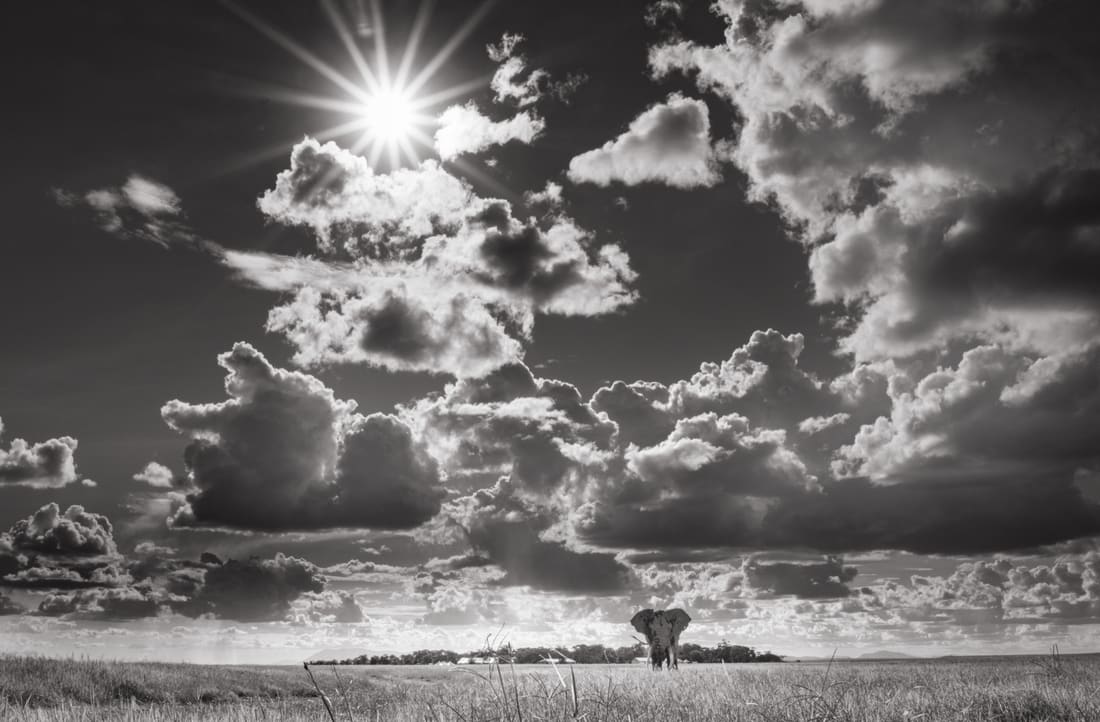
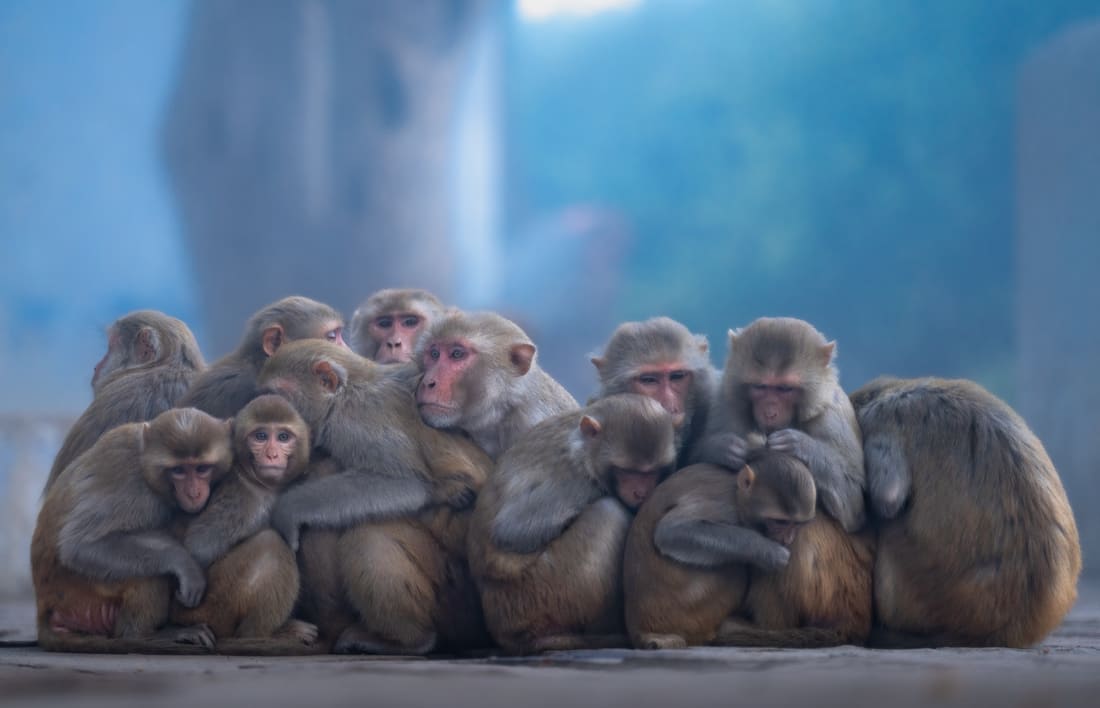
So when do you zoom out? When the relationship between the animal and its habitat is the actual story. An animal working its environment, standing into a storm, or small inside a vast landscape: that context matters, and cropping it away would delete the meaning.
 Alone but not lonely, Masai Mara. Here the sky is half the sentence. Zooming in would have kept the elephant and lost the story.ISO 100 · f/2.8 · 1/1250s · 70mm
Notice that both kinds of frame rely on the same discipline: deciding what the photo is about, and subtracting everything else. The wide frame subtracts distraction to leave one clean relationship. The detail subtracts the animal itself and trusts your viewer's mind to finish it.
Try this in the field
In my limited understanding, the shift from "getting close" to "finding the detail" is what turns a snapshot into a photograph you want to print. So here is a small exercise for your next time out.
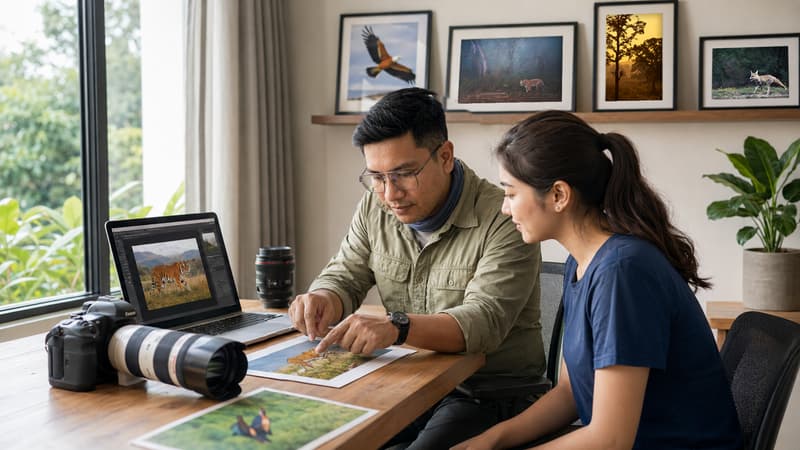
Take one photo of the entire subject. Then zoom all the way in, hunt for one telling detail, a claw, an eye, a fold of skin, and photograph just that fragment. Look at the two images side by side in the evening and notice how differently they make you feel.
If you enjoy this way of looking, the Form chapter of the portfolio is built almost entirely from these fragments.
So, which detail do you keep coming back to in your own work: the eyes, the tools, or the texture?