





Before we jump into camera settings or gear, I want to start with a very simple question. Have you ever watched an animal in the wild, say a tiger or a beautiful bird, and it looked absolutely majestic, but the photo you just took looked like a messy bush with a subject lost somewhere inside it?
I have asked myself why this happens so many times. To understand it from the core, we have to look at the first principle of how a photograph is actually made.
Additive: the painter's path
Here is the simplest way I can explain it. Think about a painter. A painter starts with a blank, empty canvas and slowly adds paint, adding subjects and colors until it is complete. Out in the wild, we face the exact opposite. We start with absolute chaos: distracting branches, bright white patches of sky, and overlapping foliage.
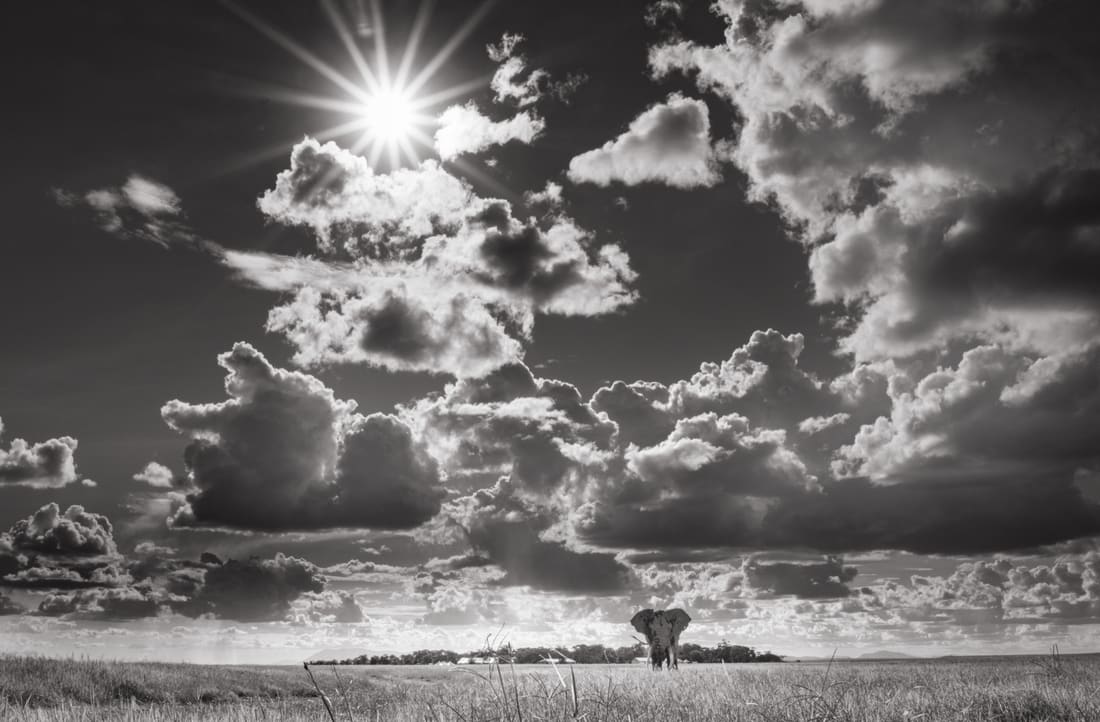
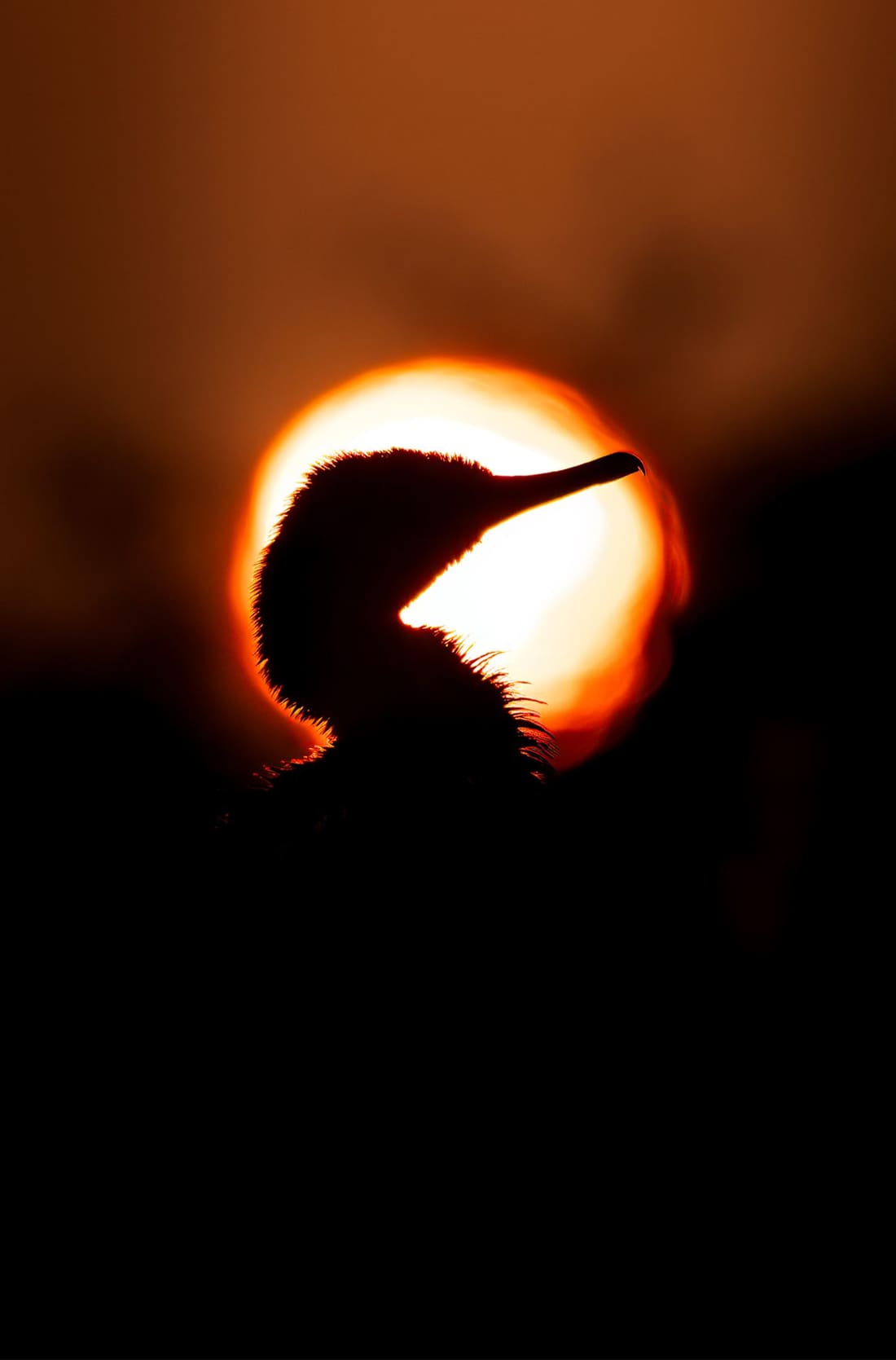
Our job is not to add things. Our job is to relentlessly subtract. The moment you look through the viewfinder, you are drawing a box around the world, deciding what to leave out so the subject can stand out. If you do not actively hide the clutter in the scene, the viewer's eye gets lost in it.
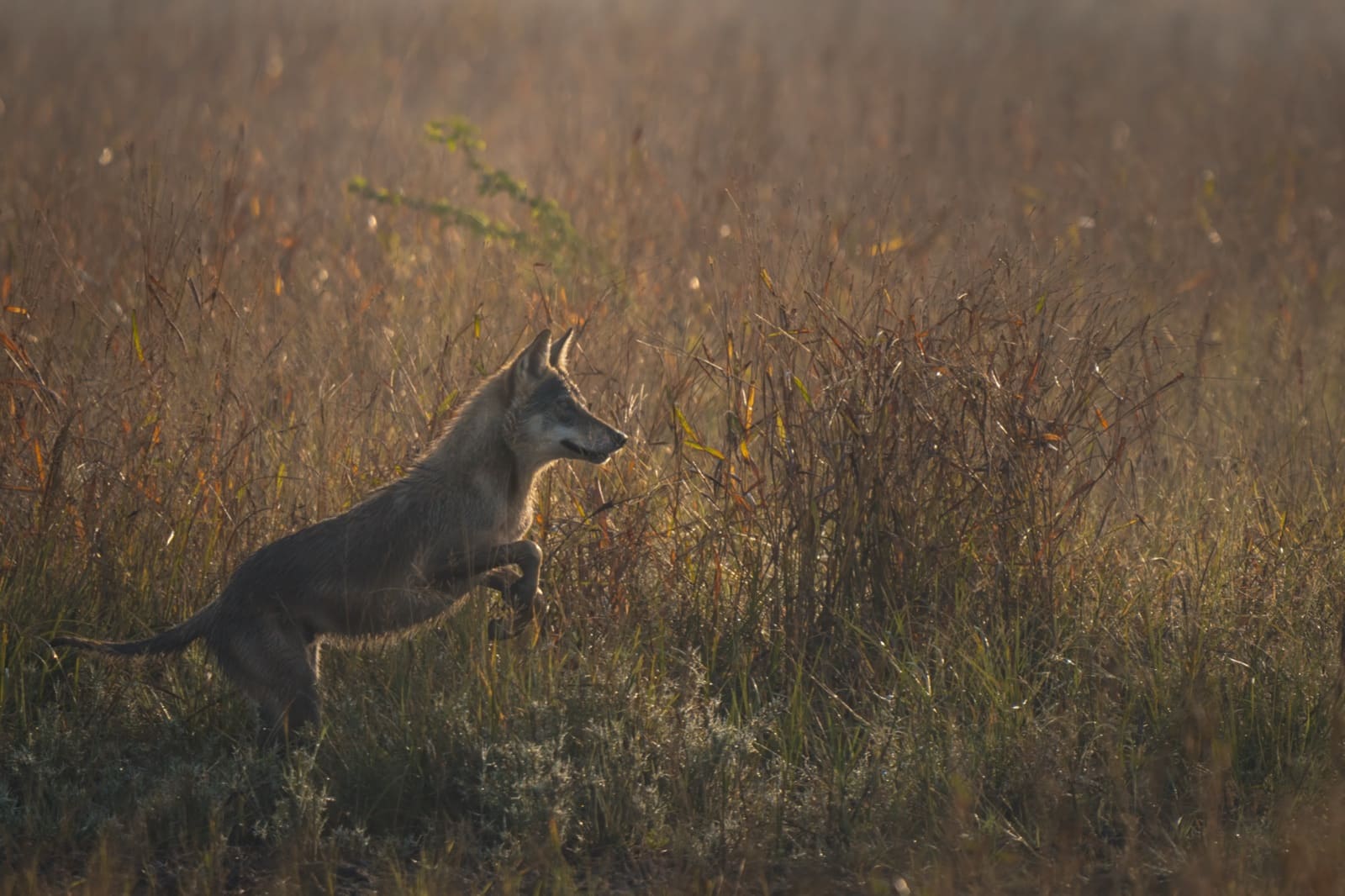 A behavioral shot filled with chaos: the Indian grey wolf (Canis lupus pallipes). The moment is there, but the eye has nowhere to land.
So how do we do this? Before you press the shutter, look at the scene like a curious child and ask yourself: what is this photo actually about? And, more importantly, what can I remove?
Subtractive: the photographer's path
You can subtract the chaos and clean up your frame in three very simple ways.
- Change where you stand. Sometimes just taking two steps to the left, or getting down on your knees, drops a distracting bright branch right out of the frame.
- Change how you frame it. Zoom in tighter, to the animal's eyes or paws, and remove the messy habitat from the shot entirely. Choosing that fragment well is its own craft, and I have written about it in the whole animal vs the telling detail.
- Change your timing. Just wait. Wait for the animal to walk out of the chaotic, dappled shadows and step into clean, simple light.
 The same scene, a few minutes later. Wait, move, re-frame, and the subject finally has room to breathe.ISO 500 · f/6.3 · 1/2000s · 600mm
Try it on your next shoot
This week, go out and practice subtracting the noise. Work out exactly what your viewer needs to see, and hide the rest. Keep your frames clean, wait for the light, and respect the habitat. If you want to see where this thinking leads, the Subtraction chapter of the portfolio is built from it. Happy shooting.
 A heron in the fog. Here the light did the subtracting for me, leaving only the bird, the tree, and the quiet.ISO 100 · f/2.8 · 1/1000s · 200mm
I have put together a short mobile cheat sheet on this subtractive mindset, the kind of thing you can keep on your phone in the field. Get the free cheat sheet and keep it handy on your next shoot.
So, what is the most common distraction you find yourself trying to subtract from your wildlife frames?