


If you read anything about design or photography right now, one word keeps surfacing. Taste.
The argument goes like this. Generative AI and good templates have made the execution easy. Anyone can produce a clean layout or a well-exposed frame, so the thing that sets you apart is taste, an innate sense of what feels right. The tech leaders and designers I follow keep landing on it as the last human advantage.
I've been trying to work out why that word makes me uneasy.
I understand the pull of it. When an app feels effortless to use, or a wildlife photograph stops you mid-scroll, folding all that invisible work into one syllable is convenient. It's a fine place to start a conversation.
But "taste" is a huge abstraction laid over a pile of deliberate decisions, and the abstraction does something unkind. It gatekeeps. It turns a learnable skill into an aura you were either born with or you weren't.
We don't need more talk about taste. We need visual literacy.
Visual literacy is the ability to articulate your decisions, to say exactly why, what, where, and when something works. It treats design and photography not as decoration but as the disciplined organization of human perception.
Think of a mechanic listening to an engine. You and I hear a car that sounds "good." She hears which belt is humming, why the timing is right, how the parts are holding together. Same sound, completely different access to it. Taste is hearing "good." Literacy is hearing the belt.
A screen you never have to think about
Take a software dashboard. You open it and you know where to click without feeling lost. Easy to say the designer had good taste. But taste didn't build that screen. Literacy did.
They grouped related controls tightly so your brain reads them as one unit, which is the Gestalt principle of proximity quietly lowering your cognitive load.
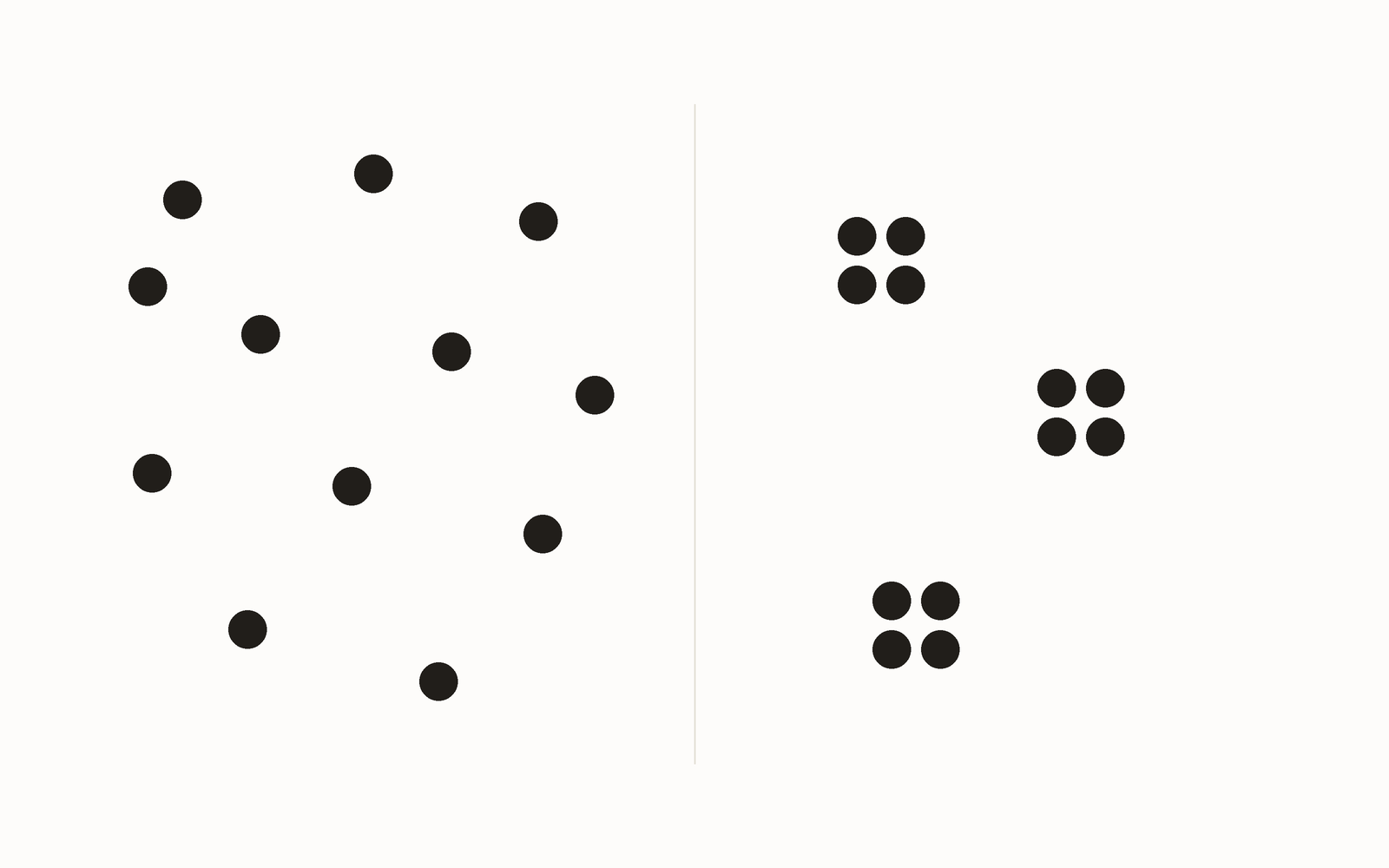 Proximity. Scatter the same elements and the eye has nowhere to settle. Pull them into groups and each cluster reads as one unit.
They knew the eye travels a screen in patterns, the Z, the Gutenberg diagram, so they put the one button that matters in the terminal corner where your gaze comes to rest.
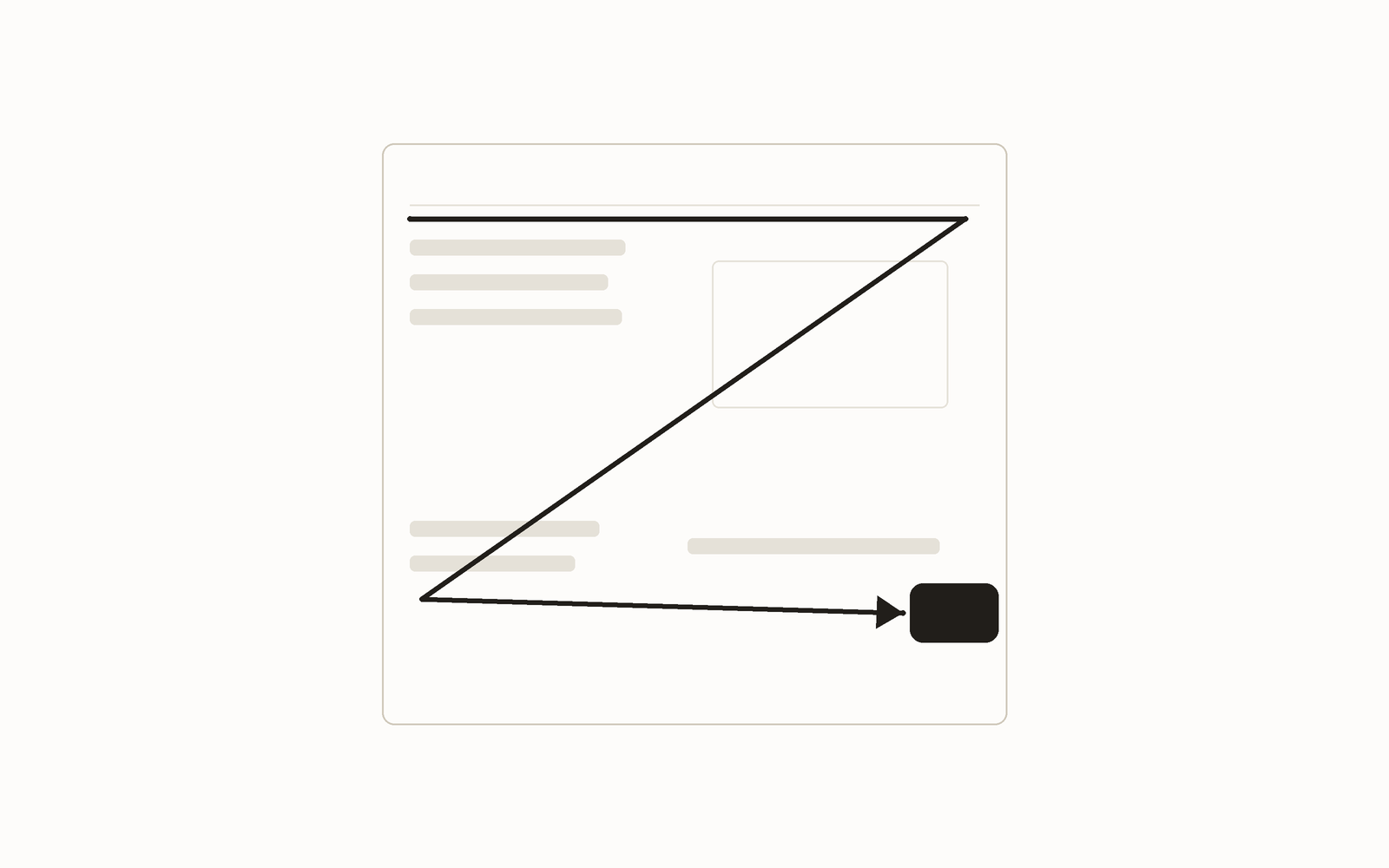 Reading gravity. The eye enters at the top-left and drains toward the bottom-right, so the action belongs where the gaze already ends.
They gave that button heavy visual weight with strong contrast in value, dark against light, so it anchored you. None of that is a vibe. Every piece of it can be named.
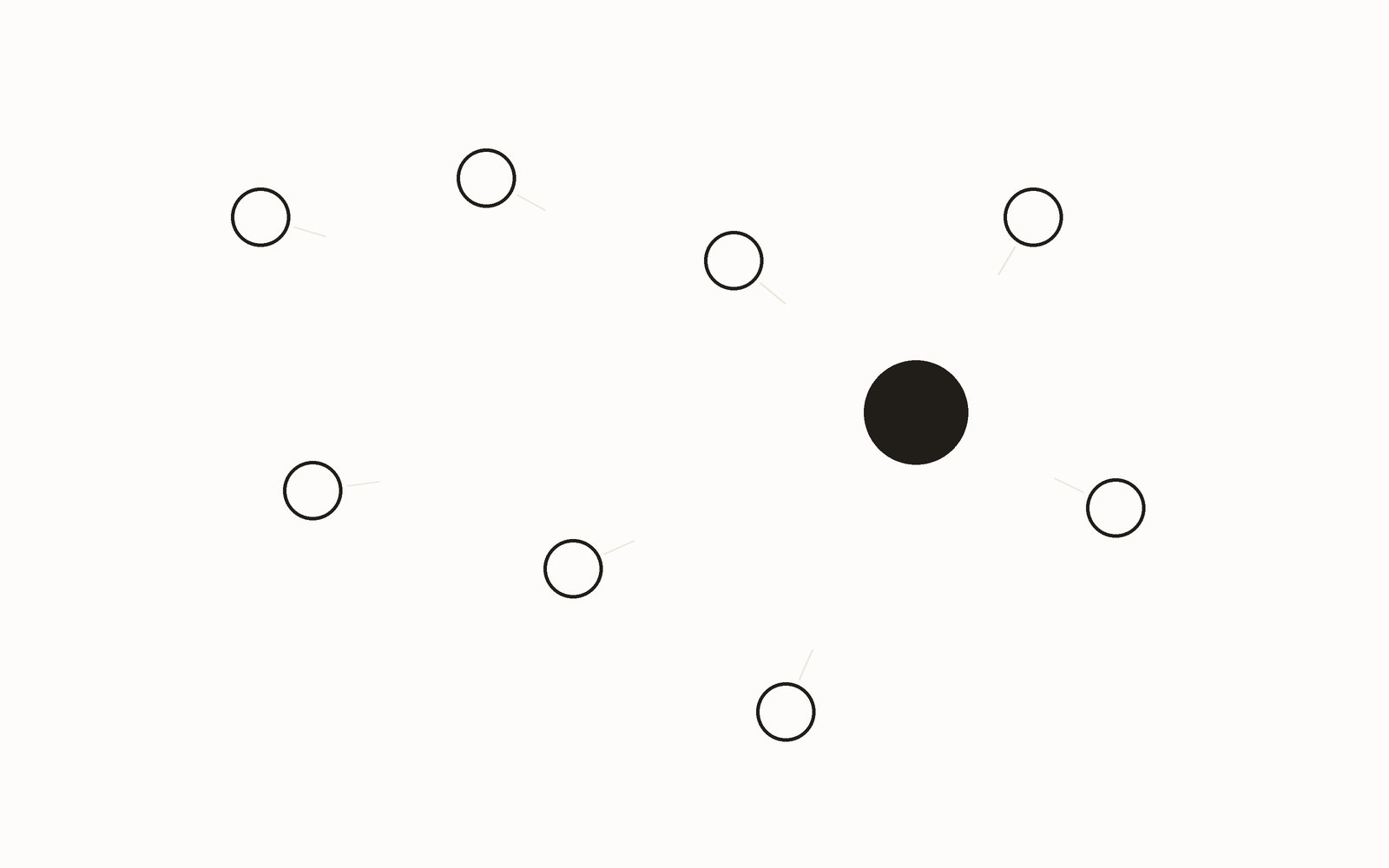 Visual weight. One heavier element among quiet ones pulls the eye first. It is how a button anchors a screen, and how a lit eye anchors a frame.
A lion, and all that empty space
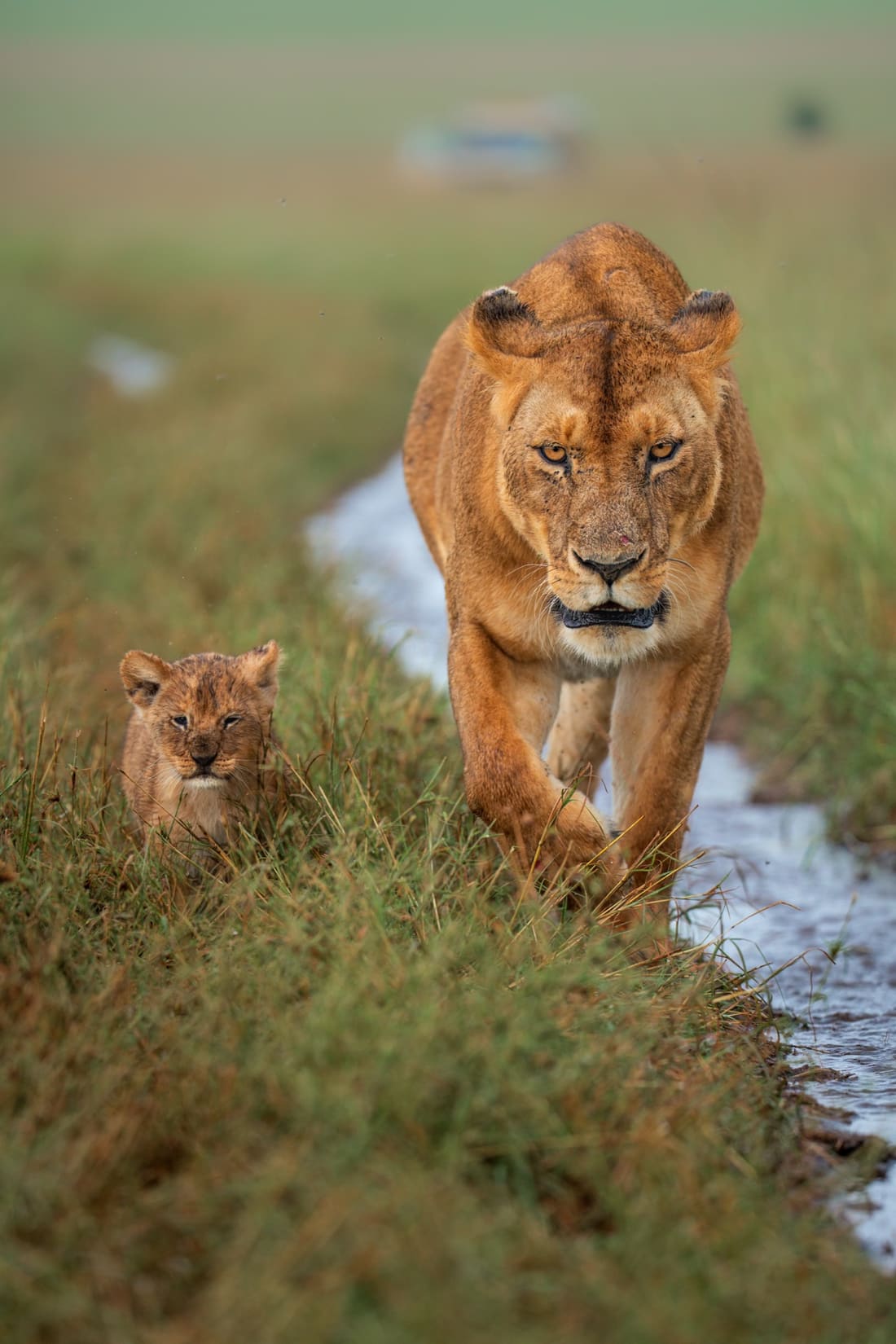
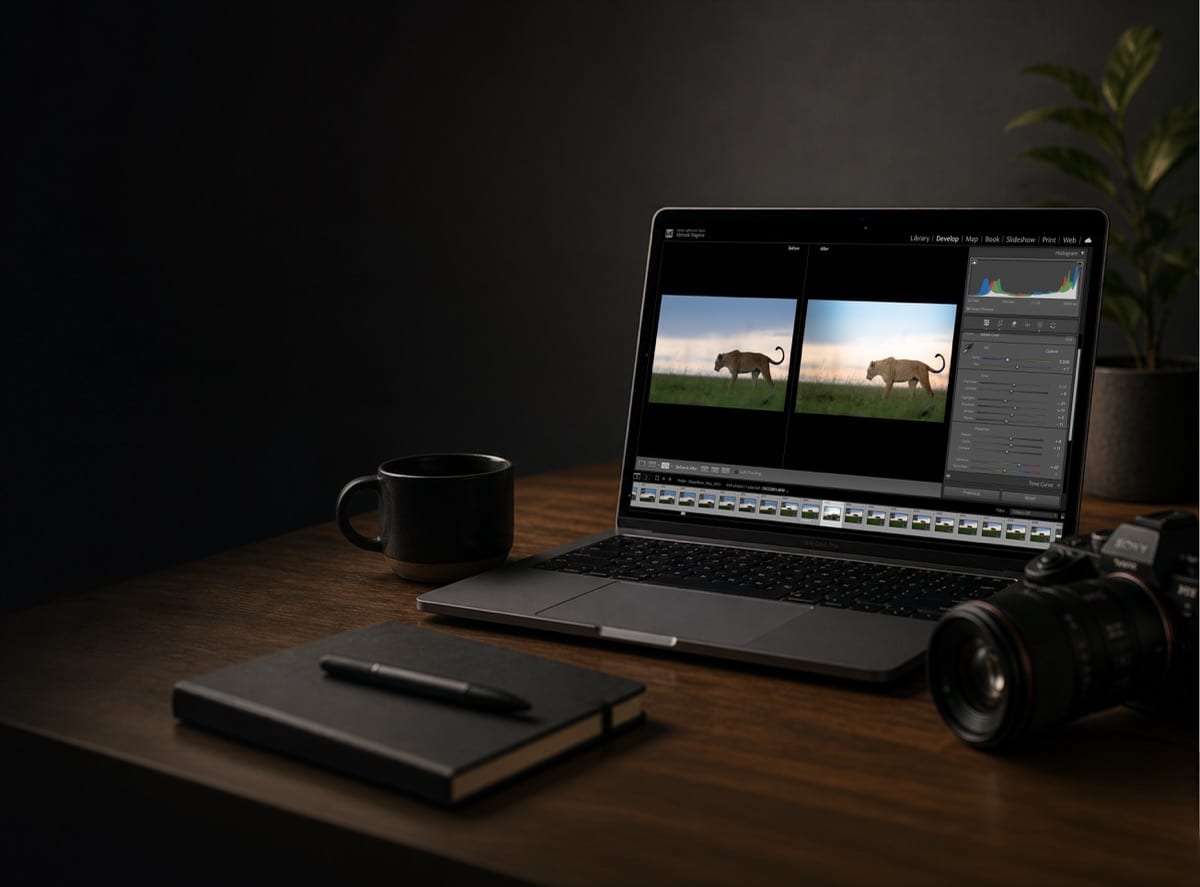
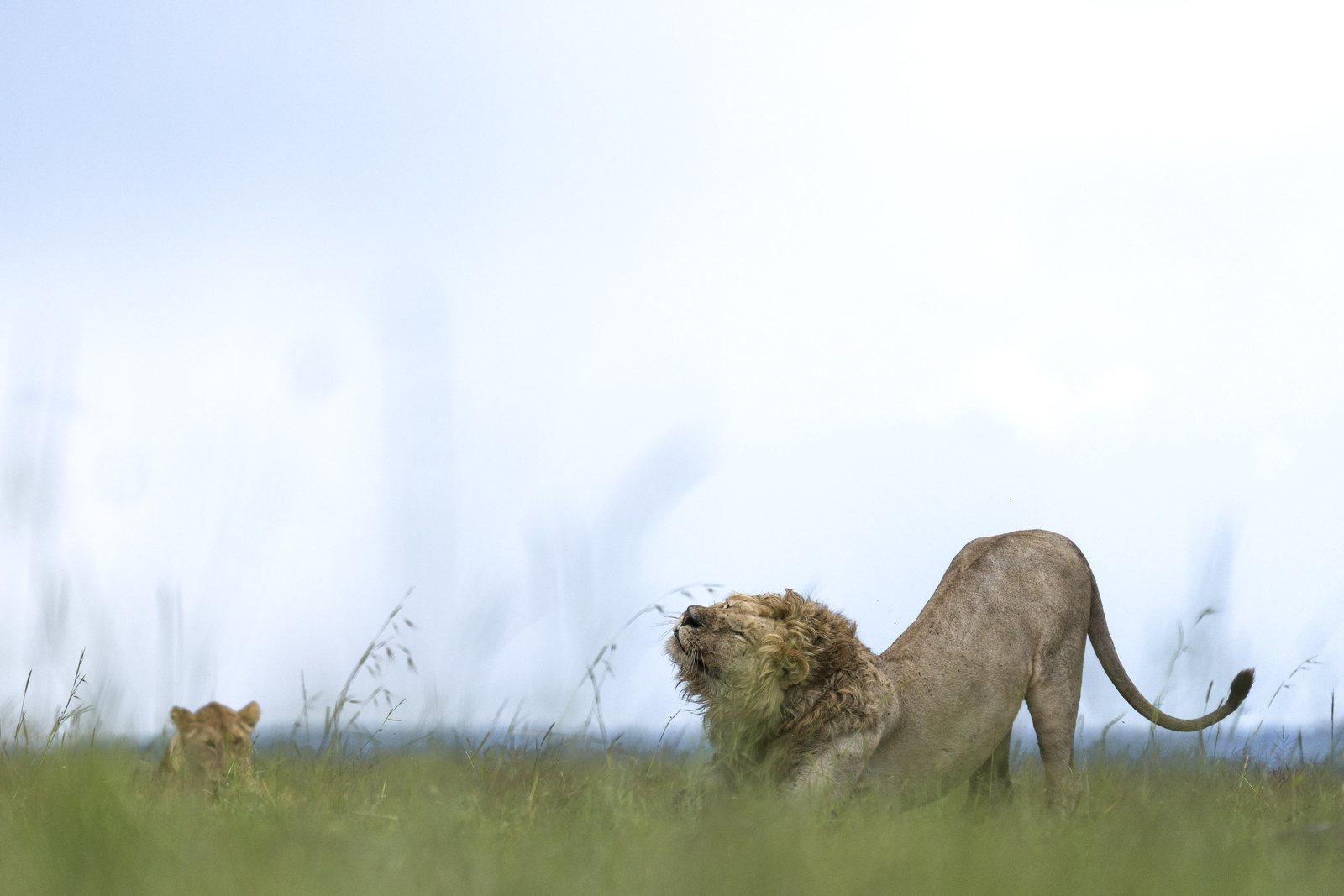
The same thing holds in the field, and the photograph that opens this essay is mine, so here I can speak from inside the frame. A young lion in the Mara, caught mid-stretch in the evening light, with a lioness watching from the long grass on the left. Look again at how much of it is empty. I wasn't working from taste when I made it. I was deciding what to leave out.
Almost everything, as it turned out. I shot wide open at f/2.8 so the sky and the far grass fell to a pale wash, and figure-ground separation could lift the lion clean off the background. I waited for the gesture, the deep arch of the stretch, because that was the thing that told the story. I set the heavy, lit body on the right and let the lioness balance it on the left, so your eye travels between them across all that quiet. Nothing bright tugs at the edges, nothing competes.
When we call all of that "taste," we quietly rob ourselves of the lesson. We stop asking the real question, which is how a human being actually sees and sorts the world in front of them.
The grammar underneath
I look at a lot of beginner portfolios, and the instinct is almost always pure gut. I understand it. Trusting your eye is a natural way to begin, and it's a good one. But the moment you start hunting for the why underneath the work you love, your own work turns more intentional, and you can feel the difference.
So the practice is simple, even if it isn't easy. Go back to the apps you reach for without thinking and the photographs you keep returning to. Don't stop at "I like the style" or "they've got great taste." Make yourself finish the sentence. What did they leave out? Where did they put the heaviest weight? How did they walk your eye through the frame?
Keep trusting your intuition when you're laying out a screen or standing in the cold waiting for the light. Intuition is just literacy you've practiced so often it feels like instinct. Learn to name the grammar of what you're doing, and that instinct finally has something to stand on.