


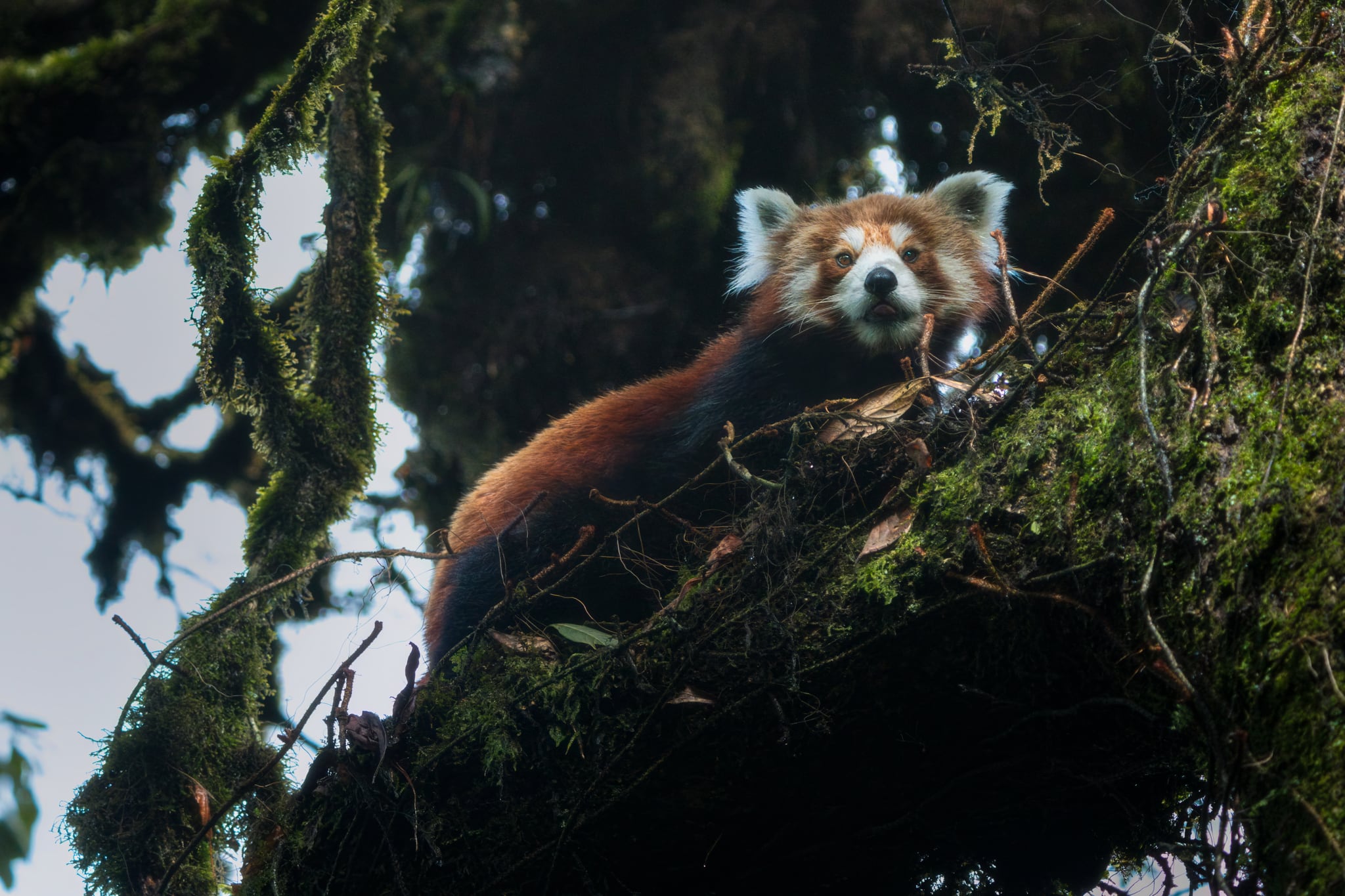
Since childhood I have wondered why people are so fascinated by wild creatures. It took me a long time, and a camera, to find my own answer.
The animal kingdom is the nearest unknown we have. It lives right alongside us, and yet we do not understand its communication. We cannot understand the calls, and they cannot speak to us. They were here long before we came into the picture, and because of evolution we have taken over the world in some way or the other. So I keep drifting towards the creatures who stay alongside us: to discover them, observe them, and understand how they see the world.
The more time I spend observing them, the more I get pulled in, and the happiness I find there is something I genuinely want to share. That is where the camera comes in. My formal education is in design, and for me photography is an extension of it. The world is already full of beautifully made things, forms and behaviours no studio could improve on. My only job is to share them with as many people as possible. Even the smallest creatures are part of that, the ones most of us walk past without ever seeing.
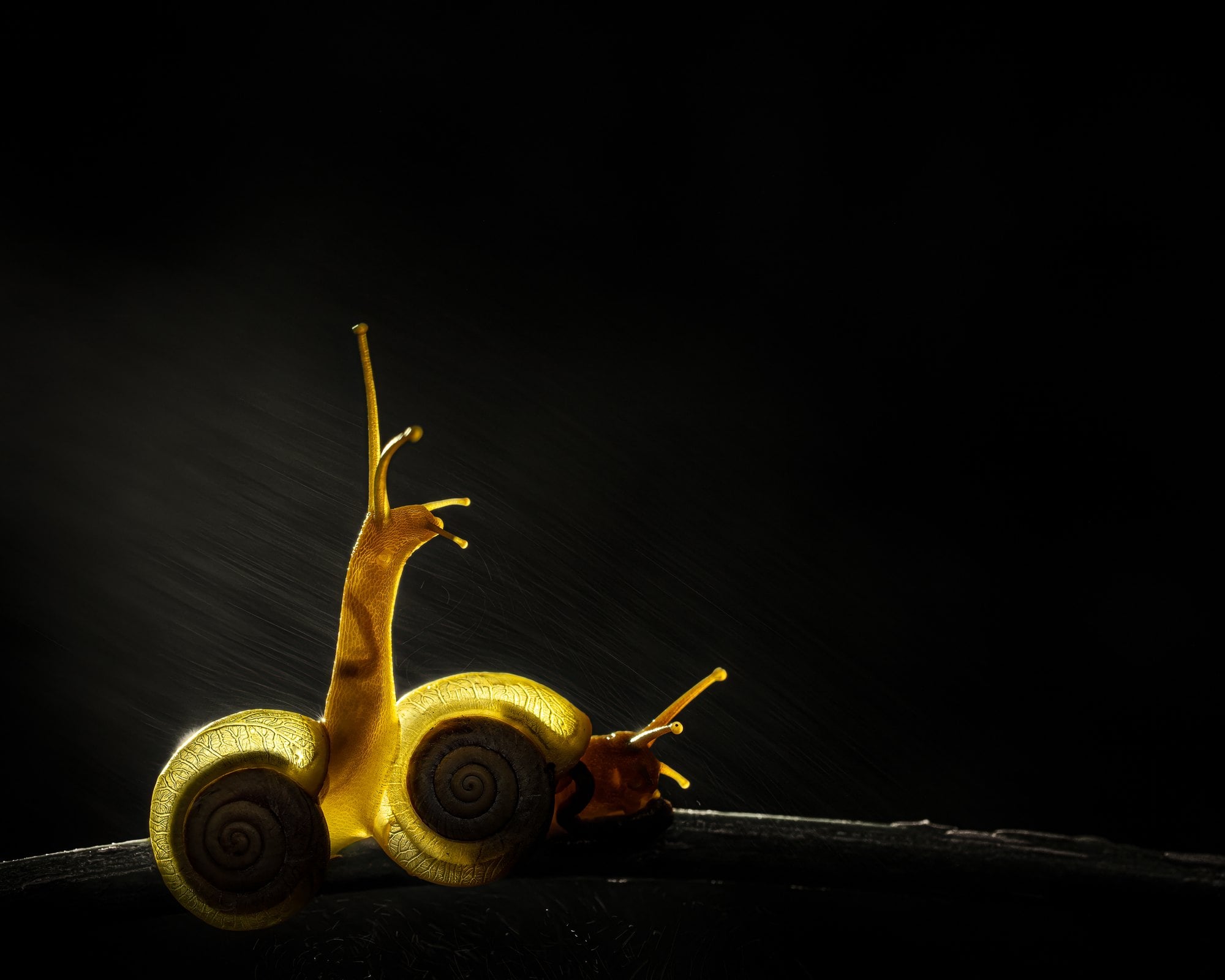 Lanterns in the Rain. Land snails after the downpour, Amboli.ISO 320 · f/9 · 1/100s · 90mm
What Fear Hides
I want people to see these animals outside the frame of danger. A tiger is powerful, and it can certainly be dangerous. But if you accept that we are the ones entering their place, rather than believing they are out to attack us, and you simply observe them in their natural, untamed state, they are beautiful. The scale of an animal, the way it reacts when someone intrudes, the way it defends itself: those are survival mechanisms, not malice.
One of my frames from the Masai Mara holds this thought for me. An old male lion, his teeth worn down by the years, resting in the grass while butterflies drift around his mane. The most powerful animal on that land and the most delicate ones, sharing the same quiet moment. Nothing in that scene needed to be feared.
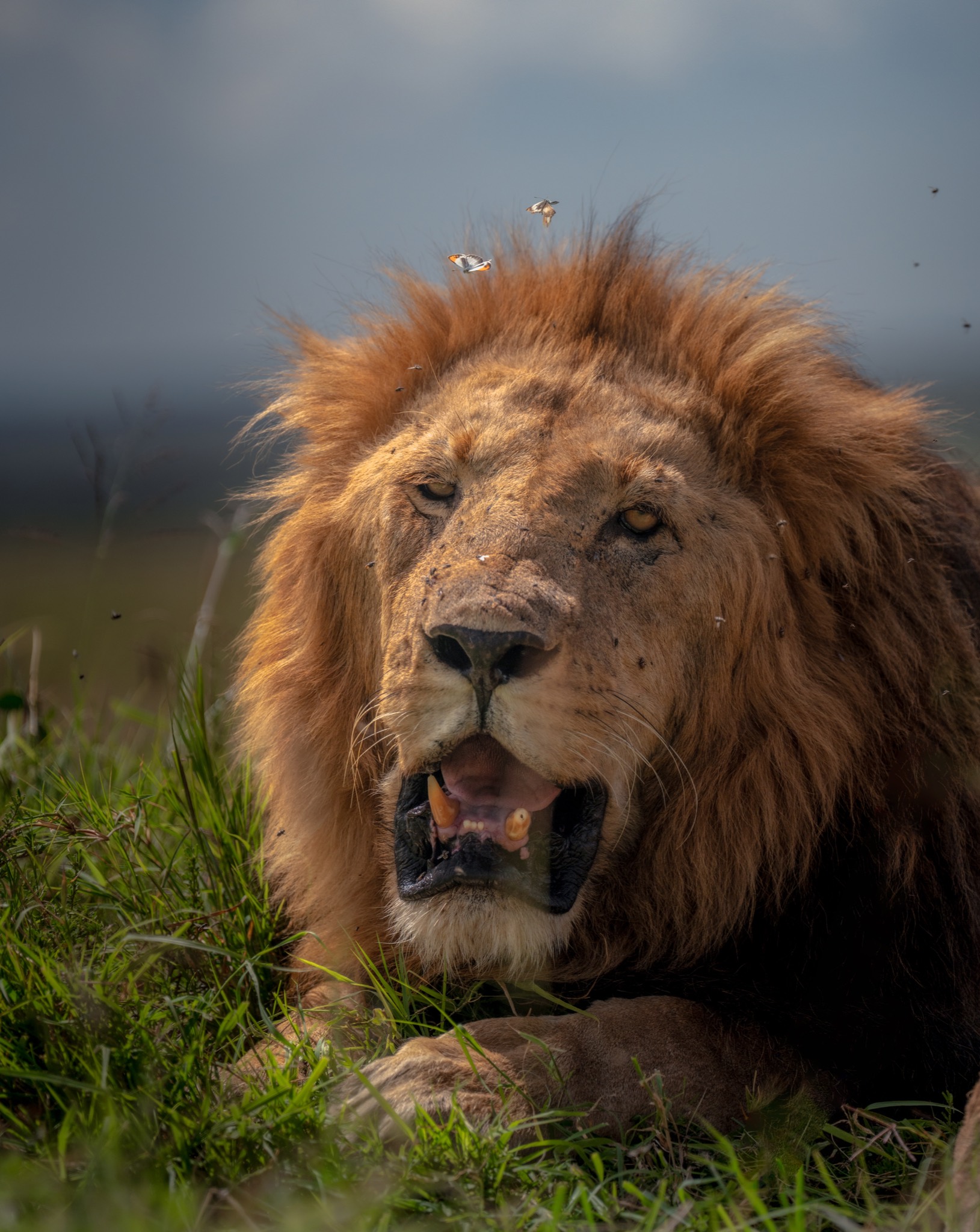 The old king and the butterflies, Masai Mara.ISO 125 · f/2.8 · 1/2500s · 200mm · -2 EV
I say this from experience, not theory. I grew up hearing stories about snakes, and I was extremely fearful of them. The first time I photographed one, in the Amboli rainforest, I was scared to go close, and the snake was equally scared of seeing me. My naturalist helped me understand its behaviour, and with the right approach we broke that barrier without interfering with each other's work. I have told that story properly in Behind the Leaf. Some of my best photographs till now came out of those couple of hours.
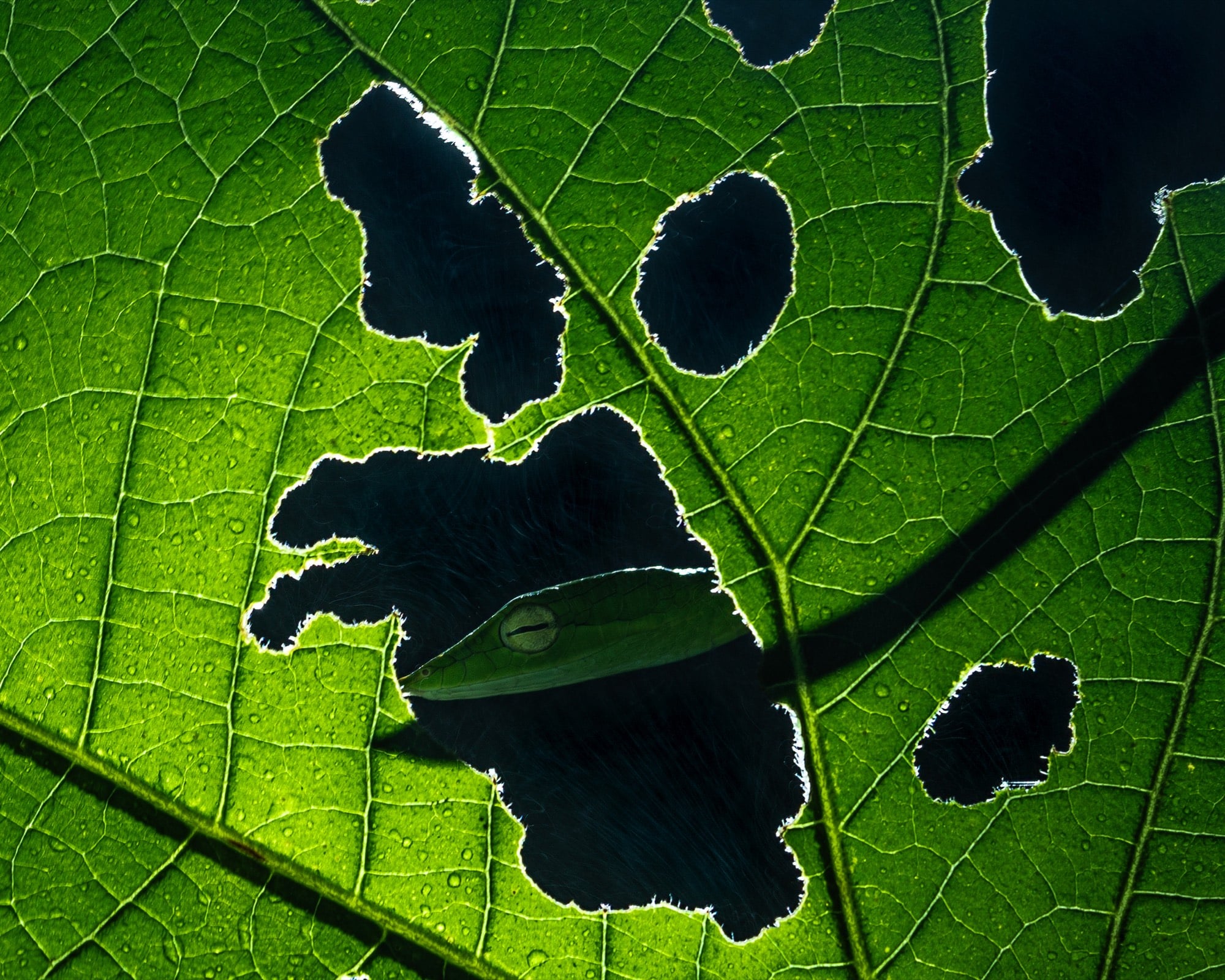 The other side. A vine snake through a torn leaf, Amboli.ISO 100 · f/6.3 · 1/60s · 90mm
Not everyone can spend the time and effort it takes to get that close without intruding on an animal's sense of security. So my work is to bring back what I see: how they look, how they move, how they interact with each other and their environment when they are free and uncaptive. If people can see that, my hope is that they start enjoying these creatures, then appreciating them, then respecting them.
A Design Process in the Field
A photograph usually starts long before the field. It begins with something I discover while studying a subject: an image in my research, an article, a book, a species, a place, some rare chance to see something unusual. From there it goes to desk research into what people have already created, and not only in photography, also the cultural side of a place and what the people there believe. Then mood boards. Then rough plans, built around the time I have in hand and the equipment I can gather.
One frame from Hanle, in Ladakh, shows why that cultural homework matters to me. The local Tibetan and Ladakhi community has engraved its prayers into the rock there, and the red fox lives its whole life among them. When you know that before you reach the place, you can wait for the moment where both stories sit inside a single photograph: the animal in its natural habitat, and the culture that shares that habitat with it.
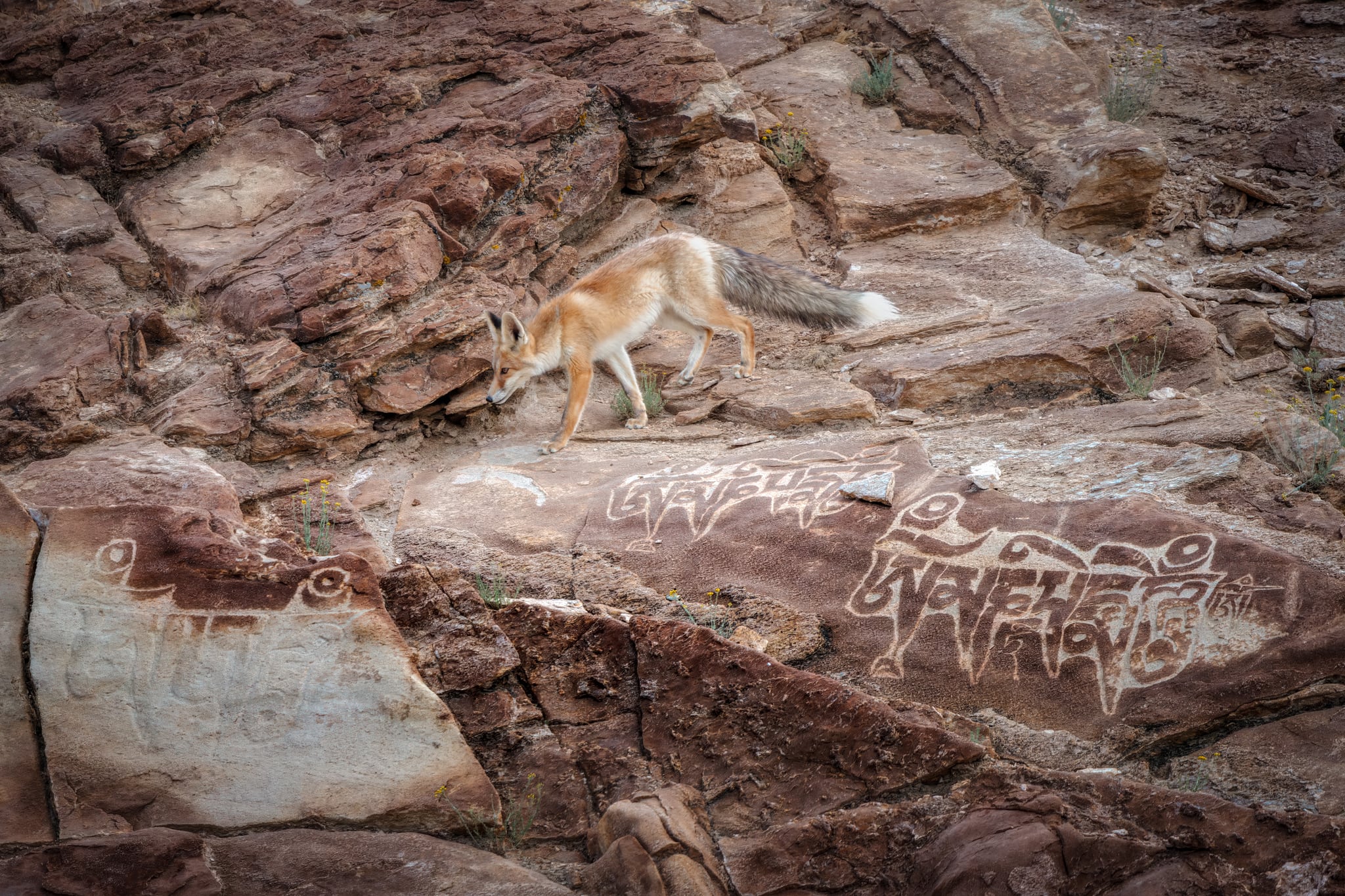 Prayers in the rock. A red fox above the engravings, Hanle, Ladakh.ISO 500 · f/6.3 · 1/1000s · 600mm
In the wild, those plans rarely work as drawn. But having a plan means I know what to experiment with instead of just waiting for a moment to come. Many of my images are pre-composed, pre-visualised. And here is the thing: when you are clear in your head about what exactly you want and what story you want to communicate, nature surprises you with opportunity. Most of the time I get the chance to make a better photo than the one I visualised. Plenty of times nothing works at all, and I have learned to appreciate that too. It is the best part of the journey, that you cannot foresee everything.
One night in the Thar Desert, a sandstorm my naturalist had predicted only minutes earlier turned a rough wish into Against the Storm. I never anticipated that weather. I had only wished for it, prepared for it, and happened to be lucky enough to be standing there when it came. While telling this I can still feel those sand grains on my skin.
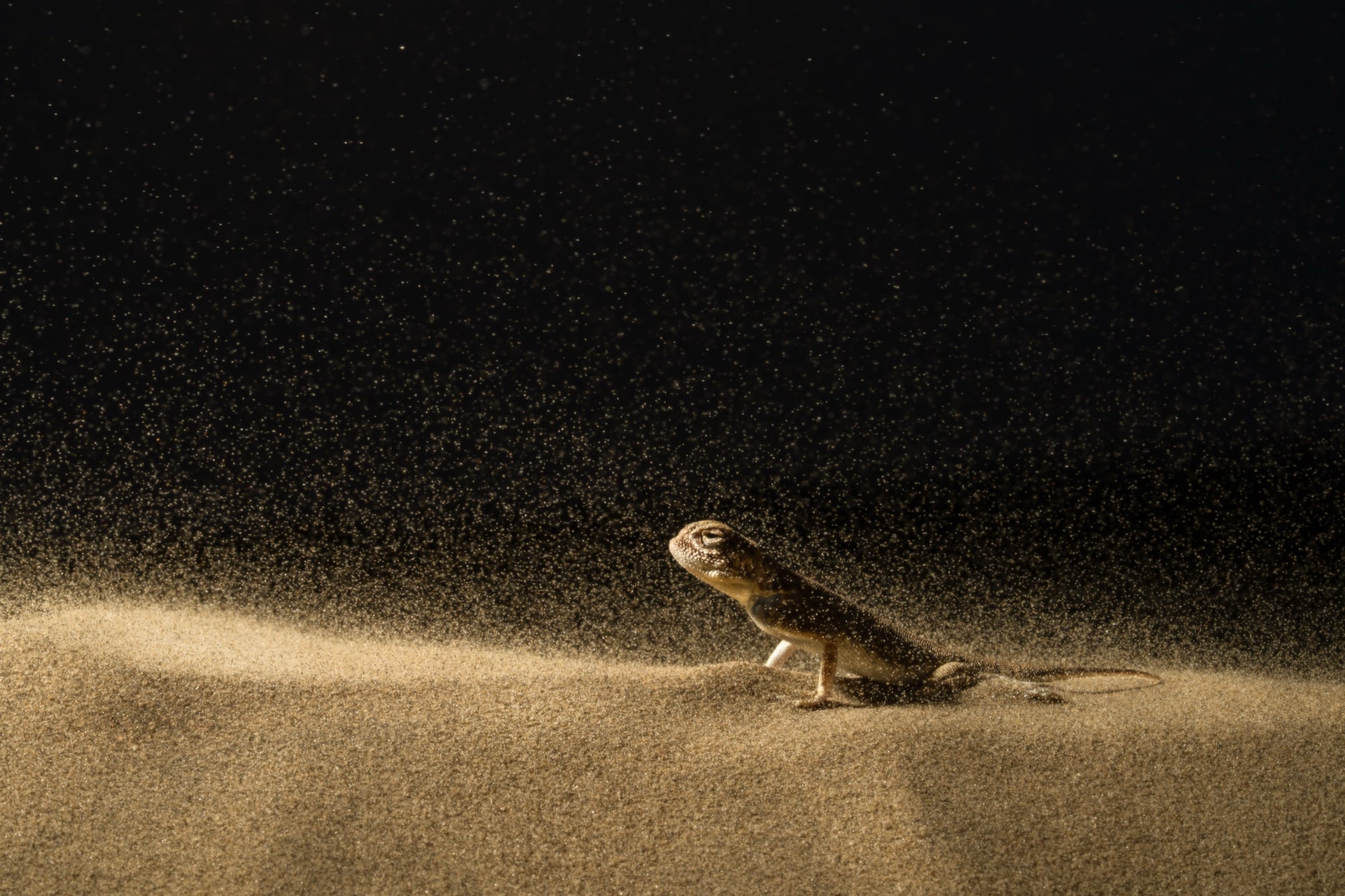 Against the Storm. A toad-headed agama in the sandstorm, Thar Desert.ISO 400 · f/20 · 1/250s · 90mm
Afterwards comes the least glamorous part of my work, and the most critical one. I go through my own photographs again and again, documenting what is missing, what else I can create, and how well I can communicate.
The People Behind the Photos
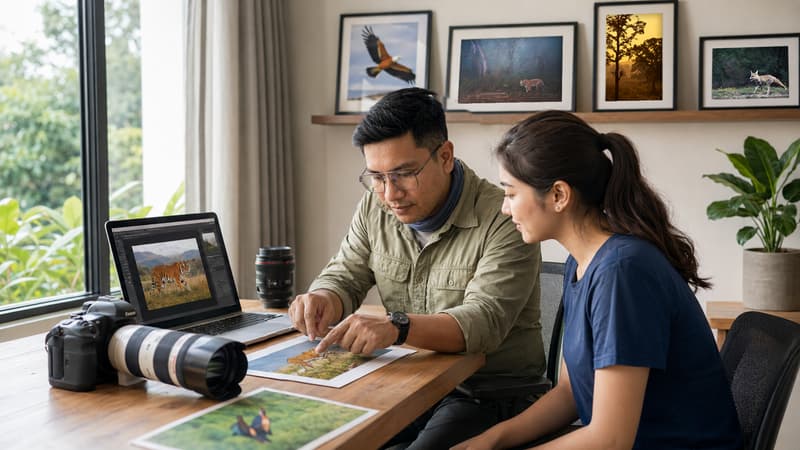
There are experts with tremendous knowledge of one specific place, people who go there day in and day out. Nine times out of ten I collaborate with someone like that, and I depend heavily on their expertise to guide me and help me discover the unseen moment. I share my thought process with them, they share their knowledge, and the photographs come out of that exchange. To be very, very honest: the photos you see are captured by me, but a lot of what is in them is the hard work of local guides and their communities. A photograph often looks like luck. Most of mine are the result of planning, dedication, several failed attempts, and other people's generosity.
Honest Notes
A few things I would rather say plainly than have discovered later.
I use whatever equipment best suits the situation, not any single brand.
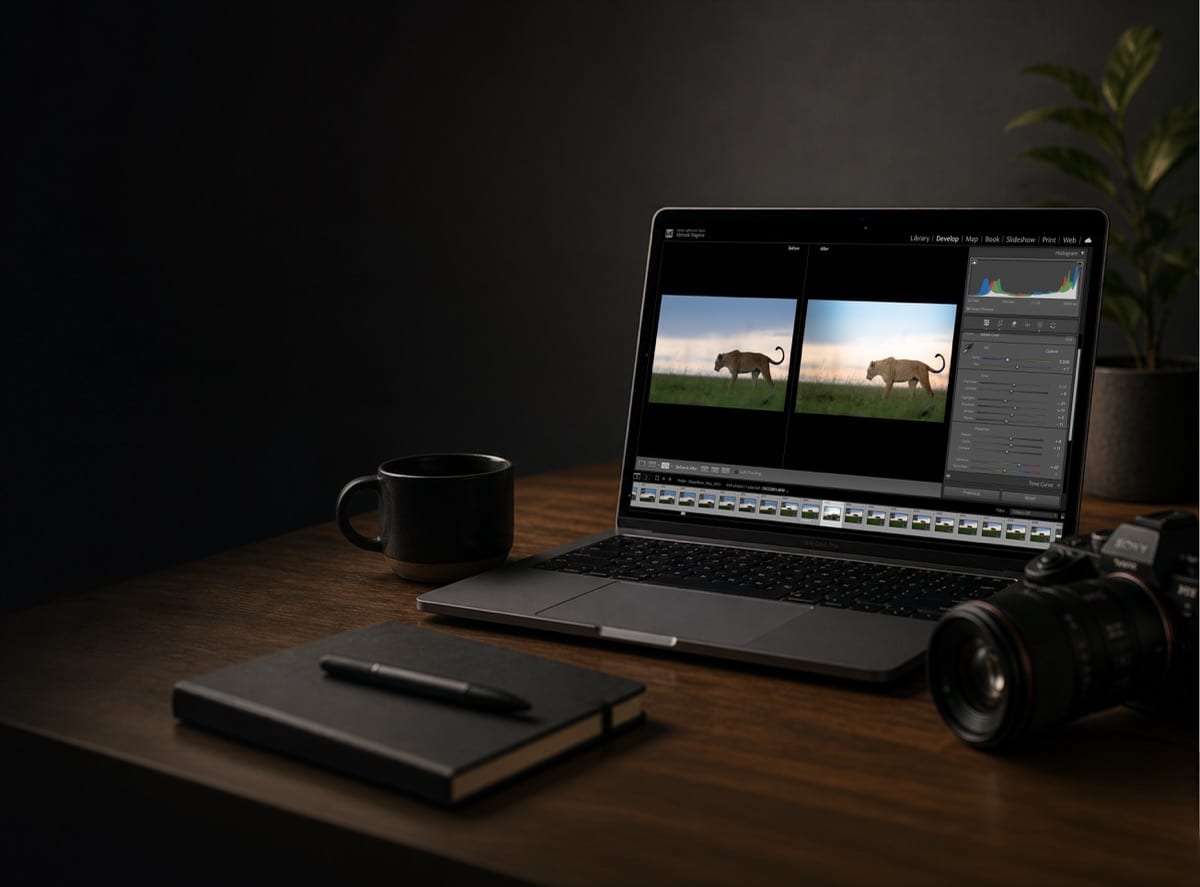
Some of my images are processed. This is my art, and I believe it should be seen the way I want to present it, so I am not claiming unedited raw files. The editing is done consciously and thoughtfully, to present a story, a moment, a situation, with the same core philosophy as everything else: to create awareness, and to create impact in a positive way.
And I firmly believe that any wildlife we see is affected by our presence. Even walking into a jungle affects the ecosystem. A lot of the harm we do out there is unintentional; we simply do not understand what our presence changes. That is exactly why going in carefully, with proper precautions, matters so much. It is also why sharing what we find matters, because otherwise nobody will know it exists. There is a fine line between sensationalisation and sensitisation, a distinction I learned from a photographer I deeply admire, and I stick to it. If any of my work ever creates a negative impact, I am genuinely sorry for it, and I would appreciate being told, so that I can rectify it.
Their Language
An animal cannot speak a language we understand. It cannot argue for its own existence. As photographers, we become their language, their communication, their medium to show the world that they also belong here, in this human-dominated world.