



The Mara opens under a wide grey light, the grass still wet, and somewhere out on the plain a lion is already walking. The sky here is half the picture: it climbs from the horizon in towers of cloud, and when the first sun breaks through it lays gold across the grass and lights the dust the herds kick up. Then the morning settles, and the savannah gets on with its day.
This is where most first visits go wrong. The Masai Mara is generous, lions and cheetah on the open plains, elephants and giraffe against the big sky, and in season more than a million wildebeest pouring across the rivers, and the instinct is to chase all of it. You come home with a card full of records, a crowd of vehicles in half the frames, and almost nothing you want to print.
This is a guide to the other way of working the Mara. When to go, where to work the reserve and the conservancies, what the place actually gives a photographer, and the few decisions that turn a sighting into a frame you keep. The Masai Mara National Reserve is the Kenyan top of the Serengeti ecosystem, famous for its lions, and it rewards reading the light and the behaviour more than it rewards reach.
When should you photograph the Masai Mara?
The light and the big cats are good all year, so the real question is what you want to photograph. Two windows stand out.
July to October is the migration. More than a million wildebeest and zebra move up from the Serengeti, and at the Mara and Talek rivers they mass and cross, with crocodiles waiting, roughly August into October. It is the Mara at its most dramatic, and also its most crowded: a single crossing can draw a wall of vehicles. The crossings are unpredictable too, so you trade certainty for spectacle.
December to March is the green season, and for many photographers it is the better one. The rains have moved through, the grass is lush, the resident herds drop their young, and the plains are quiet. Soft light, clean backgrounds and far fewer vehicles let you work a pride or a cheetah slowly, which is where the photographs are. The resident lions, cheetah, leopard, elephants and giraffe are here every month, migration or not.
Whichever you choose, plan around the first hour after dawn and the last hour of light, and pack for both heat and sudden rain. The mornings start cool and the storms build through the afternoon, and that weather is a gift, not a problem.
 First light on the plains. The hour after dawn is usually the best of the day.ISO 1000 · f/2.8 · 1/640s · 200mm
Reserve, or the conservancies?
The Mara is really two kinds of place to photograph, and knowing the difference shapes the whole visit.
The national reserve holds the classic Mara and the river crossings, the open plains the place is known for. It is unmatched in season, but at a big sighting the vehicles gather, and you have to work to keep them out of the frame. The conservancies around it, Mara North, Naboisho, Olare Motorogi, Ol Kinyei and others, are private land leased from the Maasai, and they cap the number of vehicles at a sighting and allow off-road driving, night drives and walking. For a photographer that often means cleaner frames, closer and calmer big-cat work, and light you can actually use. Many photographers combine the two: the reserve for the crossings and the scale, a conservancy for the quiet, intimate work.
What will you photograph?
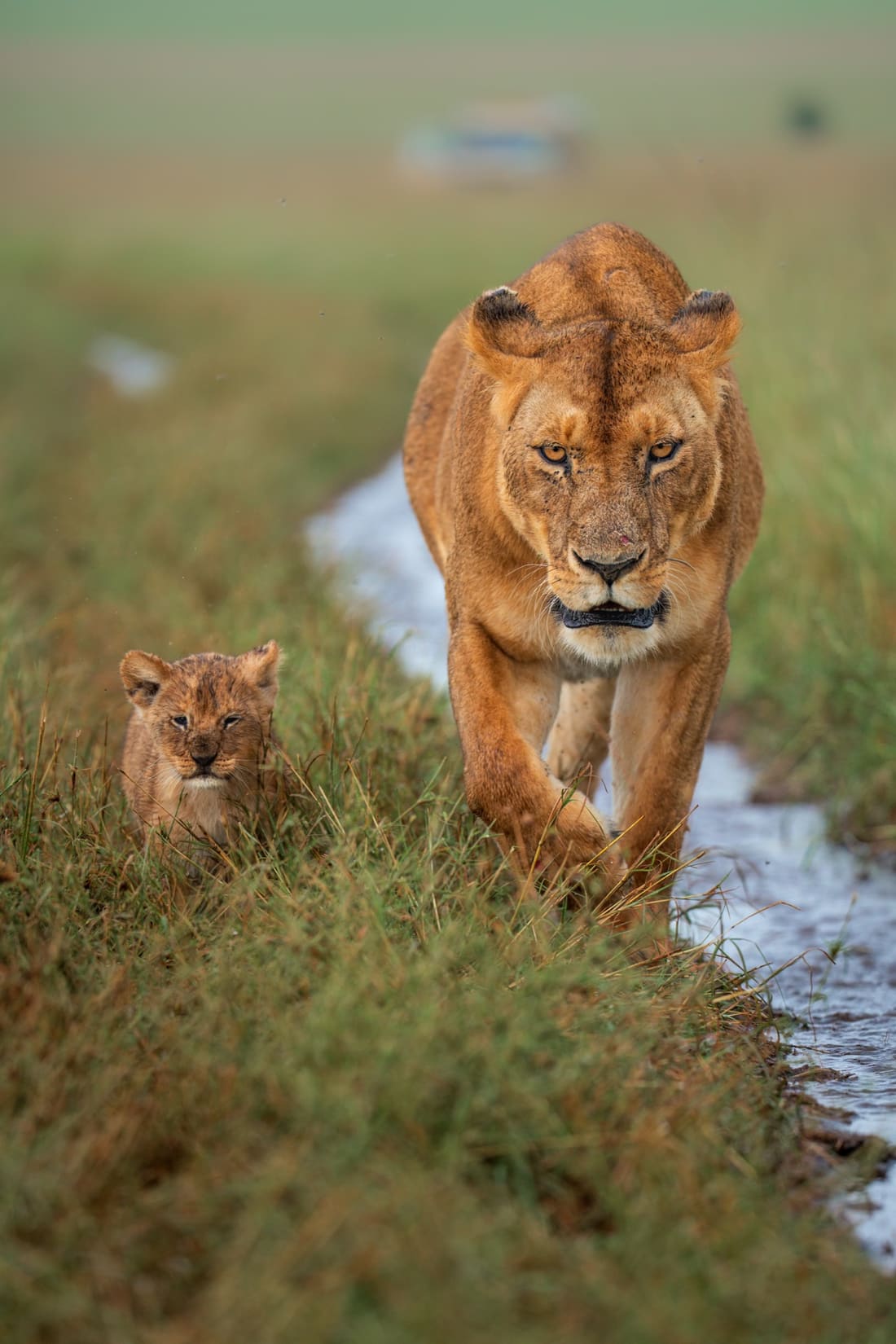
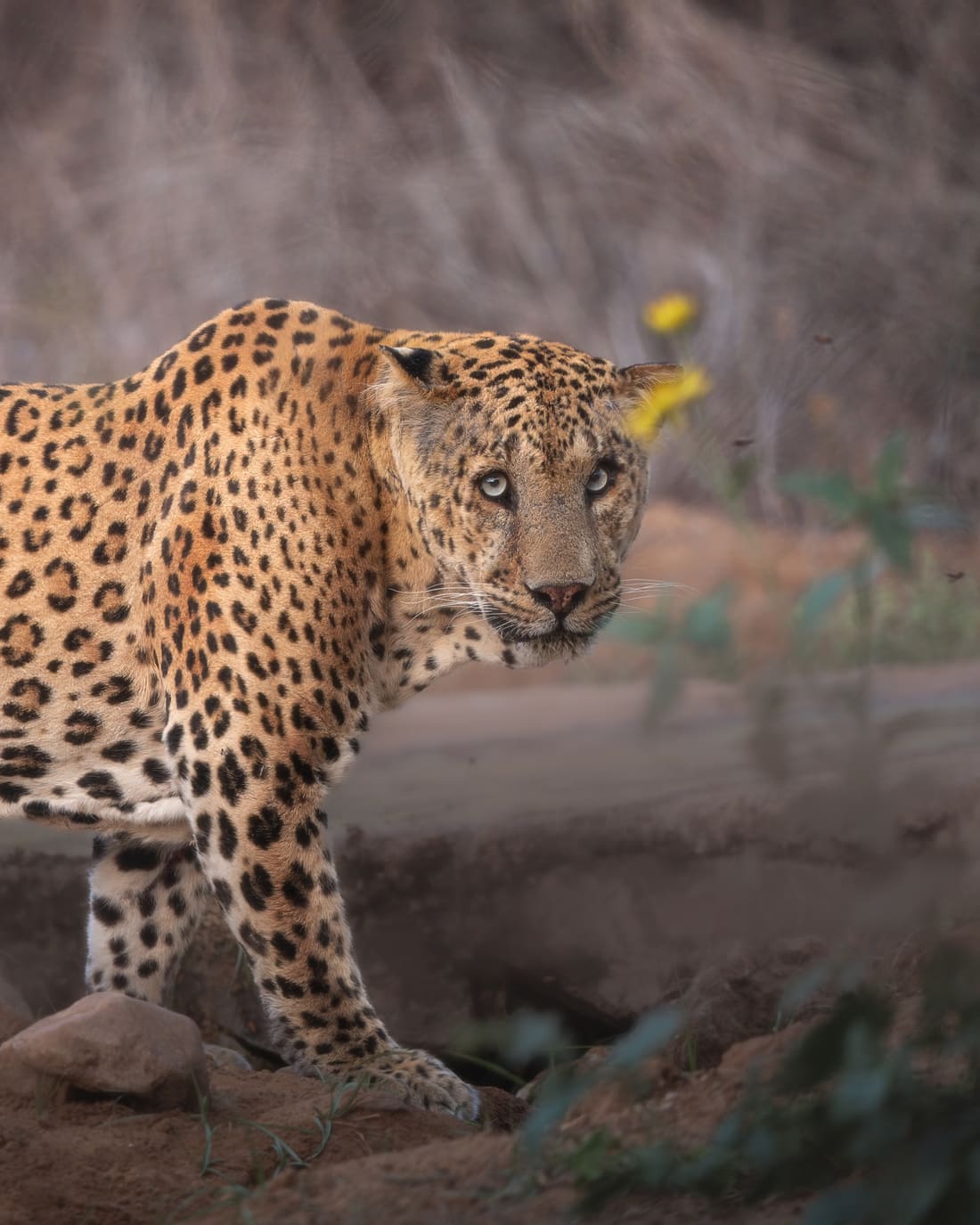
The Mara is big-cat country first. Lions are here in prides, often in the open and used to vehicles, so you can spend real time with them. Cheetah hunt the short-grass plains in daylight, the one big cat that works for the camera in good light. Leopard hold the riverine bush along the Mara and Talek.
 A lioness, close. The Mara lets you stay with a cat long enough to find the frame.
But the plains hold far more than cats. Elephant and buffalo move through, Masai giraffe browse the acacia, and topi, zebra, eland and gazelle fill the grass. Spotted hyena and jackal work the edges, hippo and crocodile hold the rivers, and the sky is full of raptors and the big open-country birds. In the migration, the wildebeest and zebra come in numbers that are hard to describe.
 A Masai giraffe against the big sky. The plains are far more than cats.ISO 100 · f/2.8 · 1/2000s · 156mm
The lesson the abundance teaches is restraint. You cannot photograph all of it well in a few days. Pick the subject the light and the behaviour are handing you, and let the rest go.
 A spotted hyena at a dawn kill. The unglamorous animals often give the best behaviour.
Reading the light on the Mara
The Mara's sky is half the photograph. The storms that build in the afternoon are a thing to work, not wait out: a shaft of light under a dark cloud, a single animal small beneath a towering sky, rain caught against the grass. Backlight in the long grass at dawn and dusk lifts a subject off the plain and rims it in gold. And the open, uncluttered country is rare permission to go wide, to make the environmental frame where the animal is part of the land and the weather rather than the whole subject.
 Storm light over the Mara. The weather is the picture as much as the animal.ISO 100 · f/2.8 · 1/1250s · 70mm
I have written more fully about the habits that make better frames, and they apply here, sharpened by the scale and the sky. Watch where the sun sits relative to the animal. Use the cloud and the dust. Be out before first light, not arriving as it goes.
What gear actually earns its place?
A 200–600mm zoom, or a long prime, covers most of the Mara, where the cats are often close and the plains let you see them coming. A crop-sensor body with a 100–400mm reaches a long way here. But the Mara is one of the few places the wide lens genuinely earns its keep, so bring something around 24–70mm for the big-sky frame. And a beanbag, to steady a long lens over the vehicle door or roof hatch. Beyond that, the place rewards field time over the kit list. If you are weighing a body against a lens, remember that technique decides far more than gear here.
Photographing big cats well
The cats are so available on the Mara that they are easy to photograph badly. The fix is the one that improves every wildlife frame: subtract.
Before the shutter, look at the whole frame and decide what to remove. A bright gap of sky pulling the eye off the cat. A blade of grass across the eye. Another vehicle on the far ridge. Get as low as the vehicle allows, down toward the animal's eye level, and the grass softens and the cat sits forward. Then read the behaviour, because that is where the photograph is: the flick of a tail before a lion rises, the long look before a cheetah commits, the yawn at the end of a rest. Wait for it rather than chase it.
 A lion shakes off the rain. Read the behaviour and you are ready when it happens.
Keep your distance, never block an animal's path or crowd it for a better angle, and stay to the rules of wherever you are, on the tracks in the reserve, off-road only where it is allowed. The picture is never worth changing what the animal does. I unpack the seeing behind this in the art of subtraction.
Getting there, and the practical bits
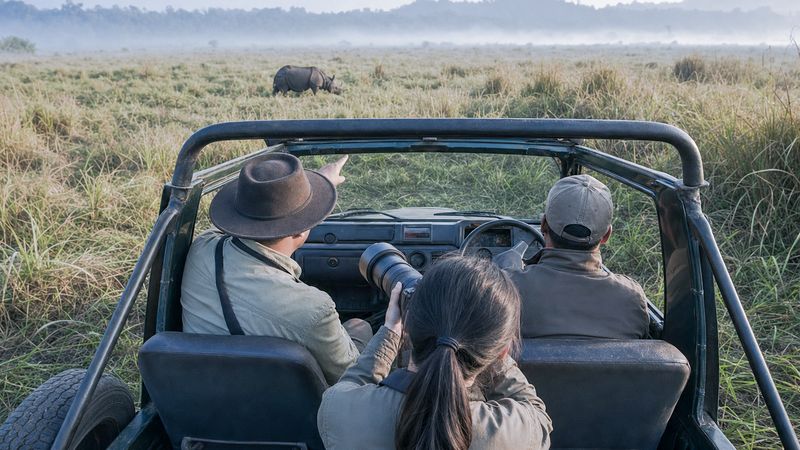
You fly into Nairobi (NBO). From there the usual way in is a short light-aircraft hop from Wilson airport to one of the Mara airstrips, which saves a long day on the road. A road transfer runs roughly five to six hours. Game drives are in a 4x4, morning and afternoon, or all day when the migration is on, with park or conservancy fees paid per day.
Cost varies a great deal with how you travel: the camp, the reserve versus a conservancy, a private versus a shared vehicle, the number of days. Treat any single figure you read with caution and price the current season. If you would rather have the flights, the camps, a private vehicle and daily editing handled, with a small group to learn alongside, that is what the Masai Mara workshop is for: the Mara at first light, big cats worked slowly, and your own files reviewed each night.
If you want a field story from East Africa about patience paying off, here is a morning with white rhinos at Lake Nakuru. And if India calls more than Kenya, here are the Kaziranga and Bharatpur field guides.
A few questions I hear
When is the best time to photograph the Masai Mara? Two windows stand out. July to October for the wildebeest migration and the river crossings, dramatic but busy. December to March for green grass, newborns and big cats with far fewer vehicles. The light and the cats are good all year, so choose by what you want to photograph, not by the calendar alone.
Do you have to go during the migration? No. The migration is a spectacle, but it brings crowds and the crossings are unpredictable. The resident lions, cheetah, leopard, elephants and giraffe are there every month, and the green season from December to March gives you soft light, clean backgrounds and room to work them slowly.
Reserve or conservancy? The national reserve holds the classic Mara and the crossing points, but vehicles can gather at a sighting. The conservancies around it (Mara North, Naboisho, Olare Motorogi and others) cap vehicle numbers and allow off-road and night drives, which often means cleaner, closer, calmer big-cat work. Many photographers combine both.
What lens do I need? A 200–600mm zoom is ideal, with a 100–400mm on a crop body a fine alternative. The Mara's big skies reward a wider lens too, around 24–70mm, for the environmental frame. A beanbag steadies a long lens over the vehicle door.
Can a beginner photograph the Mara? Yes. The animals are often in the open, the light is generous, and the vehicle is a steady platform. The limit is rarely your camera. It is light, timing and composition, and those you can learn.