





The first leopard I ever spotted in the wild was at Jhalana. So the place is near and dear to my heart, and I keep taking my guests back to it, partly for that memory and partly because no other leopard reserve is this convenient: it sits in the middle of Jaipur, very near the airport, well connected from New Delhi. You can land and be at the gate the same afternoon.
That is the peculiar and interesting thing about Jhalana. A leopard reserve coexisting with a city, right in the middle of it. On the other side sits Amagarh, another beautiful stretch of the same hills, and from Amagarh the entire city of Jaipur spreads out visible below you. Stand there in the evening and the question answers itself: the leopards were here first, and the city grew around them.
Rana and the frames Jhalana is known for
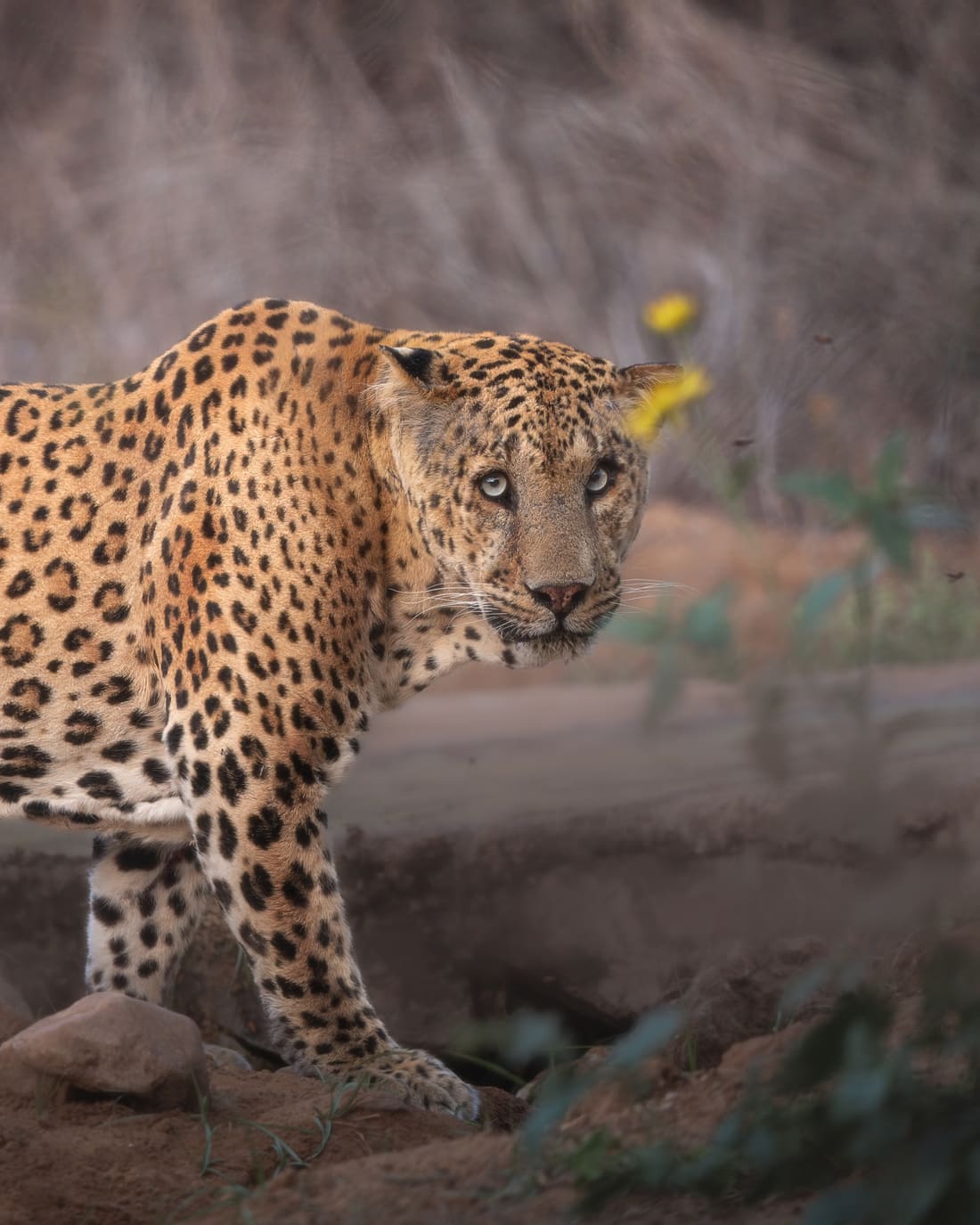
The photographs that made Jhalana known are of one famous leopard called Rana. He gets spotted on top of the old buildings inside the reserve, on the terraces, along the fence line, sometimes walking straight head on down the track, and in the evenings at his water-drinking sessions. Those old structures are what give Jhalana frames their signature: a wild leopard against built stone, the coexistence made visible in a single picture.
When should you photograph Jhalana?
I have been to Jhalana many, many times, and every season offers a different perspective of the park.
In the harsh winter the grass burns down and the whole park takes on a golden feel. That ground changes everything: the same tracks you drove in October read completely differently in January. During that season the waterholes are where the work is. Just before sunset the animals come in to drink and relax, and the photographers and visitors gather there for exactly that reason. Plan your position early and let the light drop.
The rainy season is a very interesting time to be in the park. You go inside in a covered vehicle, and if you are lucky enough to spot a leopard then, it is usually resting on top of a tree. A leopard draped over a wet monsoon branch is itself a beautiful moment to experience, and a frame very few visitors go home with.
Finding a leopard here
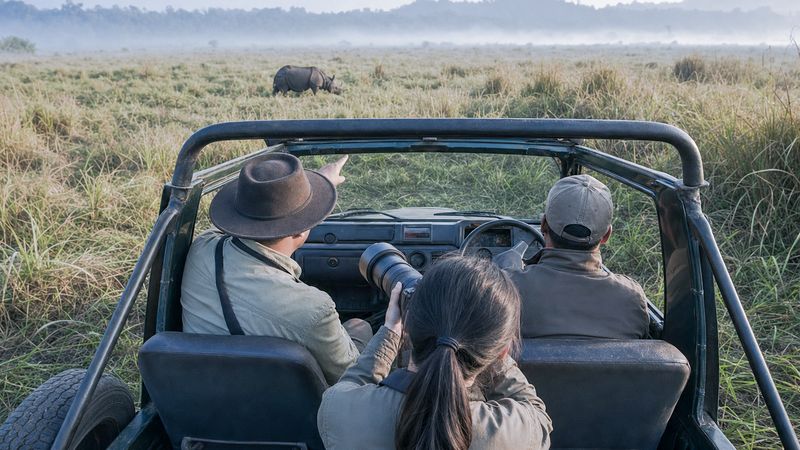
It might sound like a small gated location with a few dozen leopards, so how hard can it be? Genuinely hard. Leopards do not announce themselves, and inside Jhalana the experienced drivers are your key: they know the individuals, the routes, and the hour, and they are the difference between driving past a leopard and spending twenty minutes watching one. Trust them, tell them what kind of frame you are hoping for, and let them work.
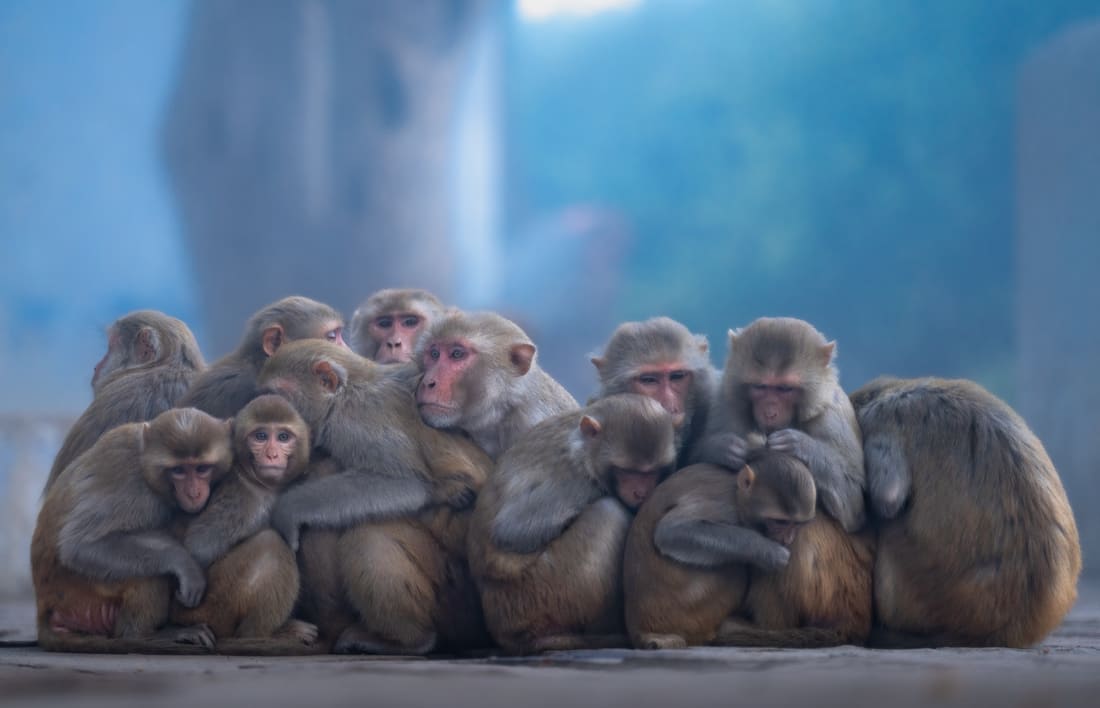
Apart from the leopards, peacocks, rhesus macaques, golden jackals, and desert fox are all very common. On a drive when the leopards stay hidden, the waterholes and the birdlife will still fill your card.
Permits and the practical bits
You can plan Jhalana across the year. The one caution: during holidays and specifically on weekends, permits become difficult to get, so book those dates ahead. Permits are booked through the official Rajasthan forest department website. Timings, fees, and the season live in the Jhalana dossier in my atlas, dated so you know how fresh they are.
And if the permit dates fall through, Amagarh on the other side offers its own drives and that view of the whole city from the hills. Between the two, a weekend in Jaipur can hold more wild time than most people expect from a city break.
A few questions I hear
What makes Jhalana different from other leopard reserves? It sits in the middle of Jaipur. A gated reserve with a few dozen leopards coexisting with a city on every side, minutes from the airport. From Amagarh, on the other side, the whole of Jaipur is visible below you.
When is the best time to photograph Jhalana? Every season offers a different park. Winter burns the grass down to a golden ground and pulls animals to the waterholes before sunset. The rains send the leopards up into the trees, and you work from a covered vehicle. You can plan across the year.
Are leopard sightings guaranteed? No, and anyone who guarantees one is selling something. A few dozen leopards in a small reserve sounds easy; finding one is genuinely difficult. The experienced drivers are your key to spotting, observing, and enjoying them closely.
How do permits work at Jhalana? Book through the official Rajasthan forest department website. Most of the year this is straightforward, but on weekends and holidays permits become difficult, so book those dates well ahead.
What else will I photograph besides leopards? Peacocks, rhesus macaques, golden jackals, and desert fox are all common. The waterhole activity before sunset gives you steady work even on a drive when the leopards stay hidden.
How do I get to Jhalana? It is very near Jaipur airport, and well connected from New Delhi. That strategic location is part of why it works so well as a short photography trip: you can land and be at the gate the same afternoon.