






This atlas is in beta. I am still checking facts, ranges, and species lists, so some of it may be wrong or incomplete. It is here early so these places get seen. If you spot an error, write to me.


Jhalana-Amagarh Leopard Conservation Reserve
BetaAlso known as Jhalana Leopard Reserve
Jhalana is a rocky scrub forest enclosed by the city of Jaipur, where leopards are seen often and at close range. Its small size makes it a place to photograph them on a short visit.
Why this place matters
A small dry-forest reserve inside Jaipur where a resident leopard population lives right against the city, which makes it an unusual place to watch and photograph urban leopards.
The wildlife
Resident leopards live right against the city and are often active by day, so they are seen more readily here than in most forest reserves.
The wider field list, with current IUCN Red List status.
Mammals
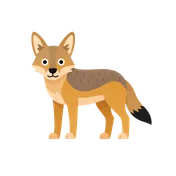 Golden jackalCanis aureusLCLeast Concern
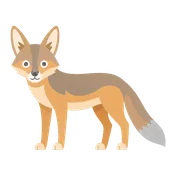 Indian foxVulpes bengalensisLCLeast Concern
 Indian leopardPanthera pardus fuscaNTNear Threatened
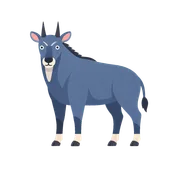 NilgaiBoselaphus tragocamelusLCLeast Concern
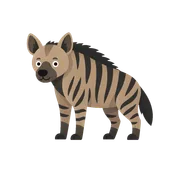 Striped hyenaHyaena hyaenaNTNear Threatened
Birds
 Indian peafowlPavo cristatusLCLeast Concern
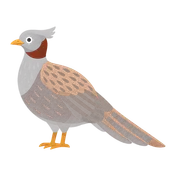 Owl
Owl
Notable birds include Indian Peafowl and Indian Eagle-Owl.
Plan your visit
In the hot months leopards come to a few waterholes, and sightings tend to be more frequent then.
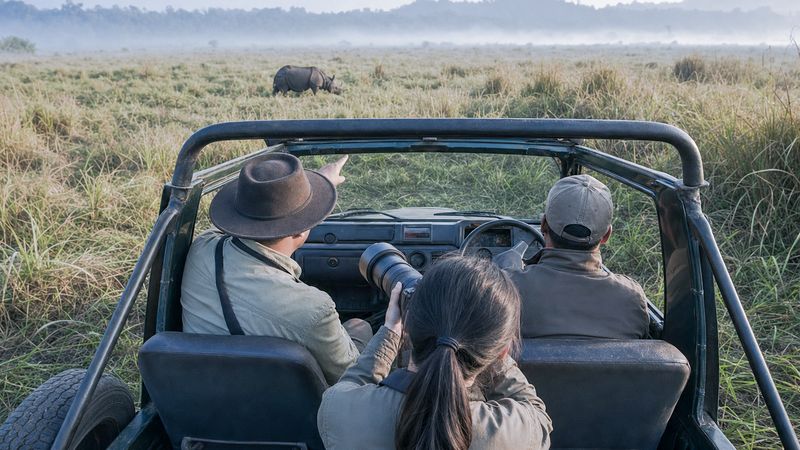
- Safari
- Jeep
- Typical sightings
- Leopards resting on elevated granite boulders or walking unbothered along sandy vehicle tracks.
- Light and terrain
- Rocky terrain provides high-contrast, dramatic backgrounds. The open canopy allows excellent light penetration throughout the day.
- Hides
- Designated hides or machans are available at some points.
- Good to know
- The forest department brochure states that with a valid ticket there are no zone restrictions and guests may enter whichever of the three zones they like. The terrain differs but each is described as offering equal opportunity. Vehicles are limited per shift.