






This atlas is in beta. I am still checking facts, ranges, and species lists, so some of it may be wrong or incomplete. It is here early so these places get seen. If you spot an error, write to me.


Keoladeo National Park
BetaAlso known as Keoladeo Ghana National Park
A managed wetland at Bharatpur, one of the world's great wintering grounds for waterbirds.
Why this place matters
Small but globally important managed wetland that supports over 370 bird species, recognised as both a Ramsar wetland and a UNESCO World Heritage Site and critical for Palearctic and Indian waterbird migration.
The wildlife
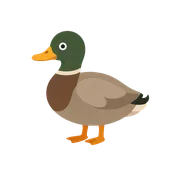 Bar-headed Goose
Abundant wintering goose on open water and islands.
Large breeding colonies nesting in trees over water.
Great white pelican and other pelicans use the open water in winter.
Tall resident crane often seen in surrounding fields and wetlands.
The wider field list, with current IUCN Red List status.
Mammals
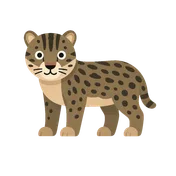 Fishing catPrionailurus viverrinusVUVulnerable
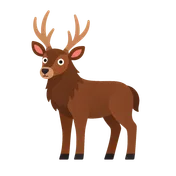 Sambar deerRusa unicolorVUVulnerable
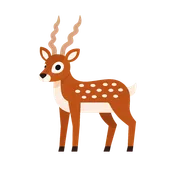 Chital (spotted deer)Axis axisLCLeast Concern
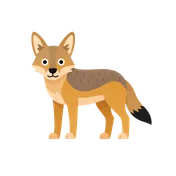 Golden jackalCanis aureusLCLeast Concern
 Jungle catFelis chausLCLeast Concern
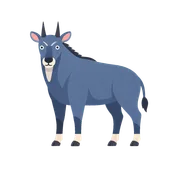 NilgaiBoselaphus tragocamelusLCLeast Concern
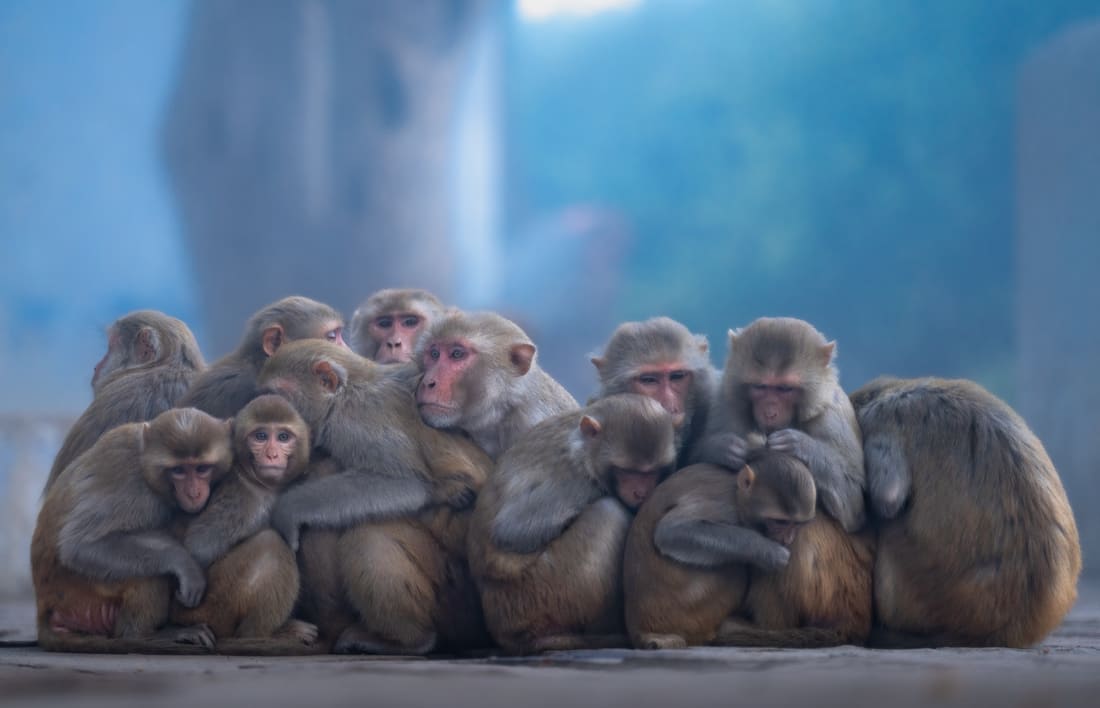
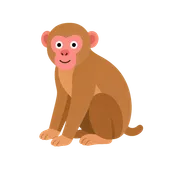 Rhesus macaqueMacaca mulattaLCLeast Concern
Birds
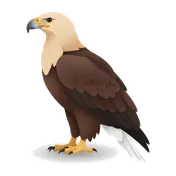 Pallas's fish eagleHaliaeetus leucoryphusENEndangered
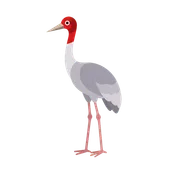 Sarus craneAntigone antigoneVUVulnerable
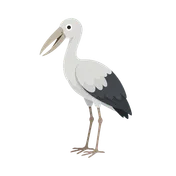 Asian openbillAnastomus oscitansLCLeast Concern
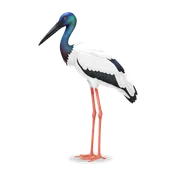 Black-necked storkEphippiorhynchus asiaticusNTNear Threatened
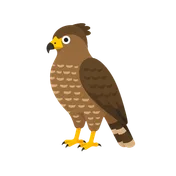 Crested serpent eagleSpilornis cheelaLCLeast Concern
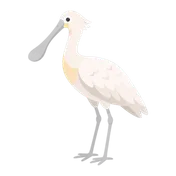 Eurasian spoonbillPlatalea leucorodiaLCLeast Concern
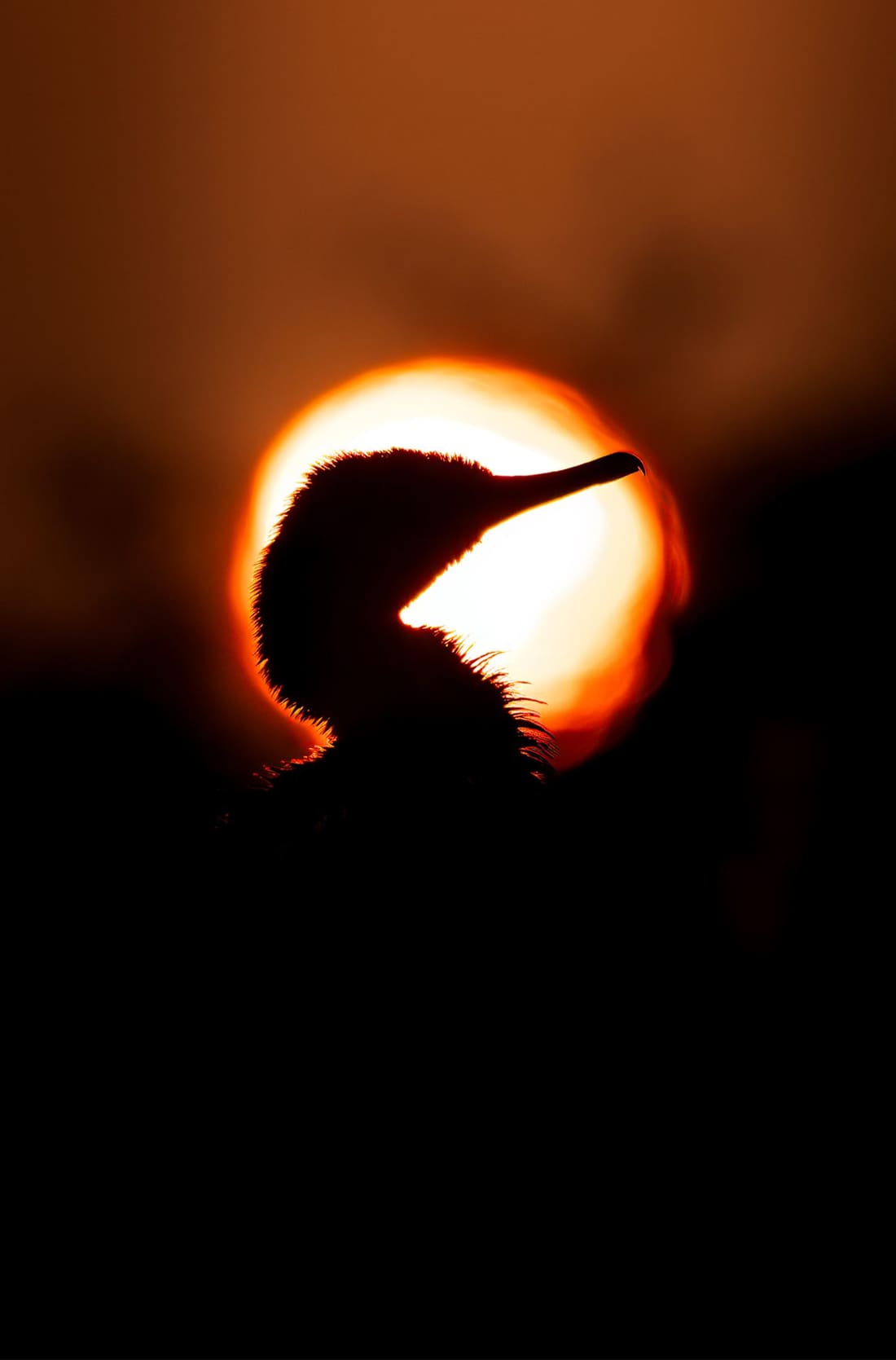
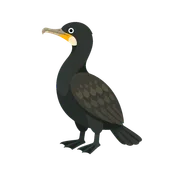 Great cormorantPhalacrocorax carboLCLeast Concern
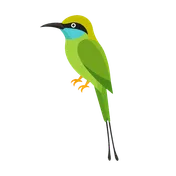 Green bee-eaterMerops orientalisLCLeast Concern
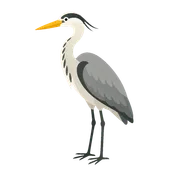 Grey heronArdea cinereaLCLeast Concern
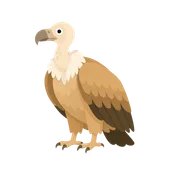 Himalayan griffonGyps himalayensisNTNear Threatened
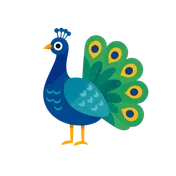 Indian peafowlPavo cristatusLCLeast Concern
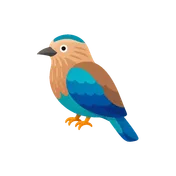 Indian rollerCoracias benghalensisNTNear Threatened
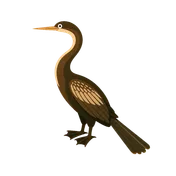 Oriental darterAnhinga melanogasterLCLeast Concern
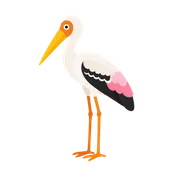 Painted storkMycteria leucocephalaLCLeast Concern
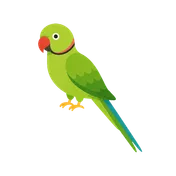 Rose-ringed parakeetPsittacula krameriLCLeast Concern
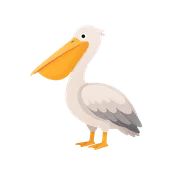 Spot-billed pelicanPelecanus philippensisNTNear Threatened
- Waterfowl
Reptiles
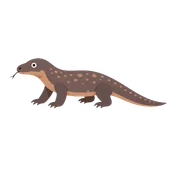 Bengal monitorVaranus bengalensisNTNear Threatened
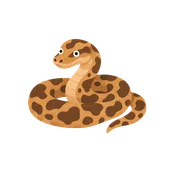 Indian rock pythonPython molurusNTNear Threatened
370+ bird species recorded. Notable birds include Bar-headed Goose, Greylag Goose, Sarus Crane, Painted Stork, Black-necked Stork, Eurasian Spoonbill and Pallas's Fish Eagle. Reptiles include Indian Rock Python and Monitor Lizard.
From the field
Short clips recorded on my visits here.
Plan your visit
Winter brings vast flocks of geese, ducks, cranes and storks on the flooded impoundments; early summer and monsoon support heronries and resident breeders.
- Zones
- Managed wetland compartments and embankments of Keoladeo National Park
- Safari
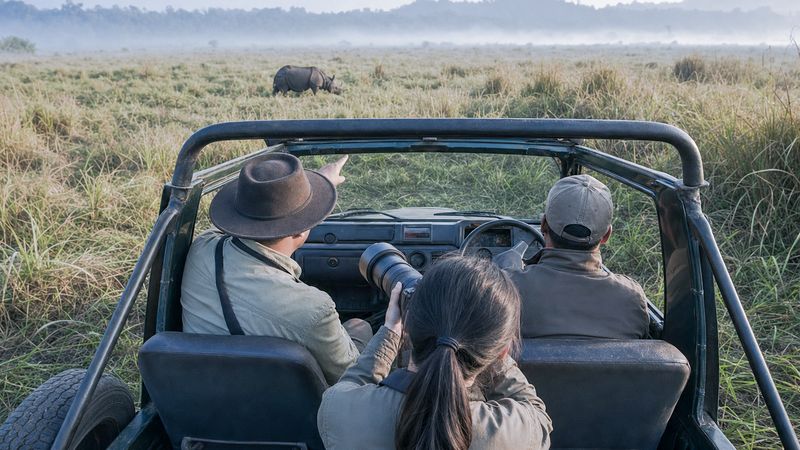
- on foot, bicycle and cycle-rickshaw on internal tracks
- Typical sightings
- Large mixed flocks of ducks, geese, storks, cranes and waders at close range, with raptors patrolling overhead.
- Light and terrain
- Open wetlands provide uncluttered backgrounds and soft winter light; fog can be common on winter mornings.
- Hides
- Several watch towers and viewing shelters overlooking waterbodies.
- Good to know
- No private motor vehicles inside the core; entry regulated by ticketing and daylight hours.