





This atlas is in beta. I am still checking facts, ranges, and species lists, so some of it may be wrong or incomplete. It is here early so these places get seen. If you spot an error, write to me.
Great Himalayan National Park
BetaA UNESCO World Heritage western-Himalayan park of forests, meadows and glaciers, a stronghold of the western tragopan and Himalayan tahr.
Why this place matters
UNESCO World Heritage western Himalayan park preserving a near-intact altitudinal sequence from riverine forests to alpine meadows and glaciers, with globally important populations of western tragopan, Himalayan tahr and other endemics.
The wildlife
Globally threatened pheasant and flagship bird of the park's temperate forests.
 Himalayan Tahr
Mountain ungulate of rocky slopes and cliffs.
Elusive apex predator in the high alpine zones.
The wider field list, with current IUCN Red List status.
Mammals
 Himalayan black bearUrsus thibetanusVUVulnerable
 Himalayan musk deerMoschus leucogasterENEndangered
 Snow leopardPanthera unciaVUVulnerable
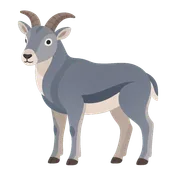 Bharal (blue sheep)Pseudois nayaurLCLeast Concern
 Himalayan brown bearUrsus arctos isabellinusLCLeast Concern
- Tahr
Birds
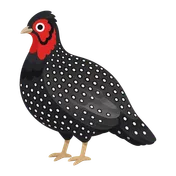 Western tragopanTragopan melanocephalusVUVulnerable
 Himalayan monalLophophorus impejanusLCLeast Concern
 Pheasant
Reptiles
 Pit viper
209+ bird species recorded. Notable birds include Western Tragopan, Himalayan Monal and Cheer Pheasant. Reptiles include Himalayan Pit Vipers.
Plan your visit
Spring and early summer feature rhododendron blooms and active pheasants; autumn offers crisp views and stable weather for high-altitude trekking.
- Zones
- Tirthan Valley, Sainj Valley and Jiwa Nal Valley
- Safari
- multi-day trekking; no vehicle safaris inside the core
- Typical sightings
- Forest and river landscapes, distant ungulates on slopes, pheasants along forest trails, wide alpine vistas.
- Light and terrain
- Valley bottoms can be shaded while ridges receive strong light; early and late light over ridges creates dramatic mountain silhouettes.
- Hides
- Occasional natural blinds near clearings; no formal tourist hides.
- Good to know
- Permits and registered guides required for core-zone treks; camping restricted to designated sites.