







This atlas is in beta. I am still checking facts, ranges, and species lists, so some of it may be wrong or incomplete. It is here early so these places get seen. If you spot an error, write to me.
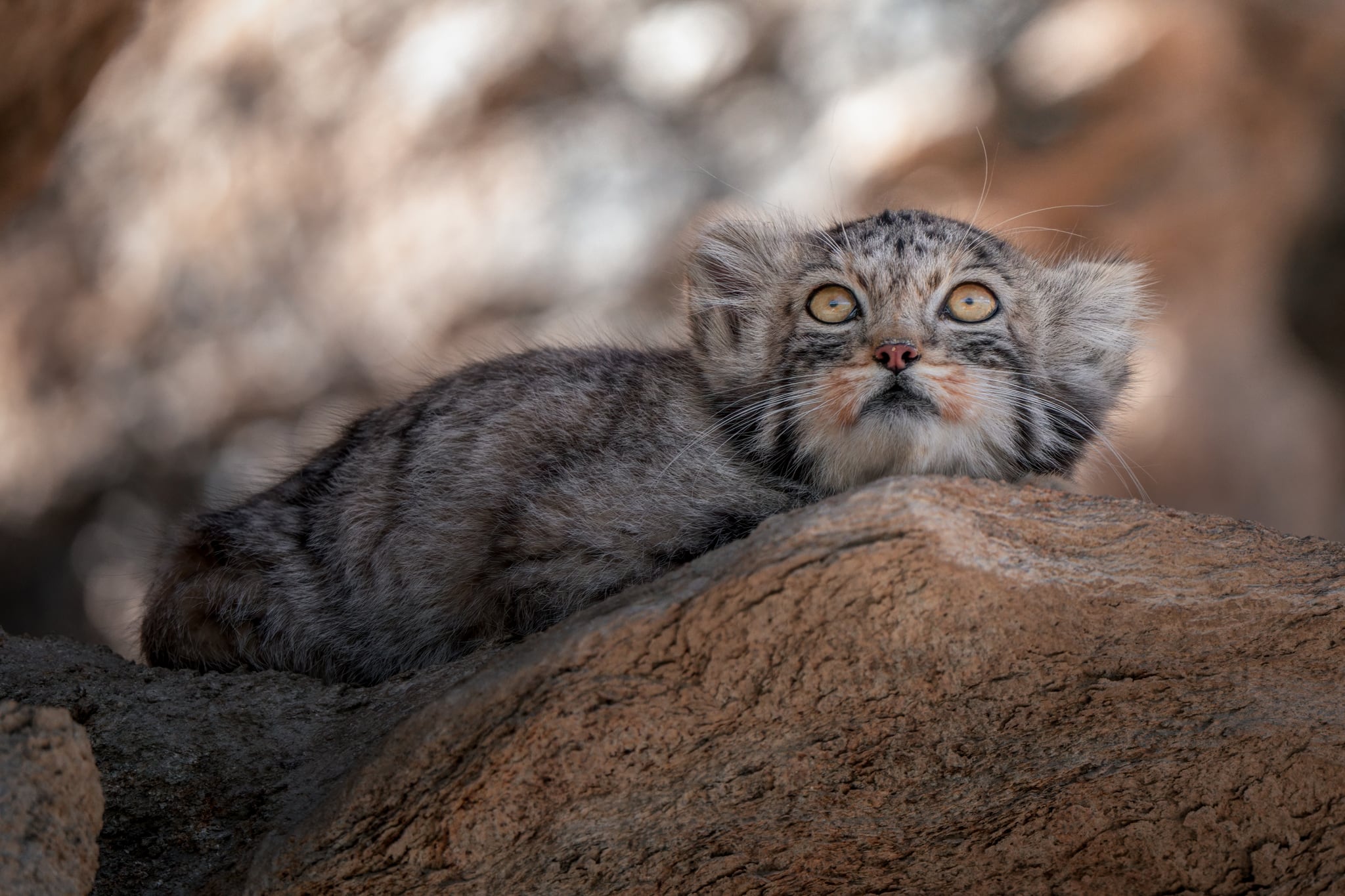
Hemis National Park - Leh Ladakh
BetaAlso known as Hemis National Park
A vast trans-Himalayan national park in Ladakh, the world's best place to track wild snow leopards in winter.
Why this place matters
Trans-Himalayan national park with a globally important snow leopard population and pioneering community-based conservation and homestay tourism models.
The wildlife
Flagship species of Hemis, with one of the highest protected-area densities globally in the trans-Himalaya.
Primary wild ungulate prey of snow leopards on steep, rocky slopes.
Large wild goat inhabiting high cliffs and ridges.
The wider field list, with current IUCN Red List status.
Mammals
 Indian grey wolfCanis lupus pallipesVUVulnerable
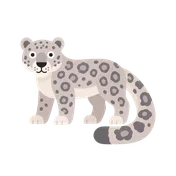 Snow leopardPanthera unciaVUVulnerable
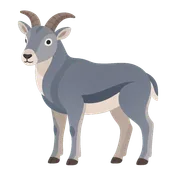 Bharal (blue sheep)Pseudois nayaurLCLeast Concern
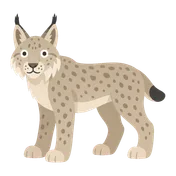 Eurasian lynxLynx lynxLCLeast Concern
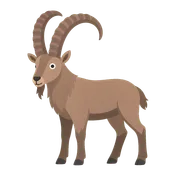 Himalayan ibexCapra sibiricaNTNear Threatened
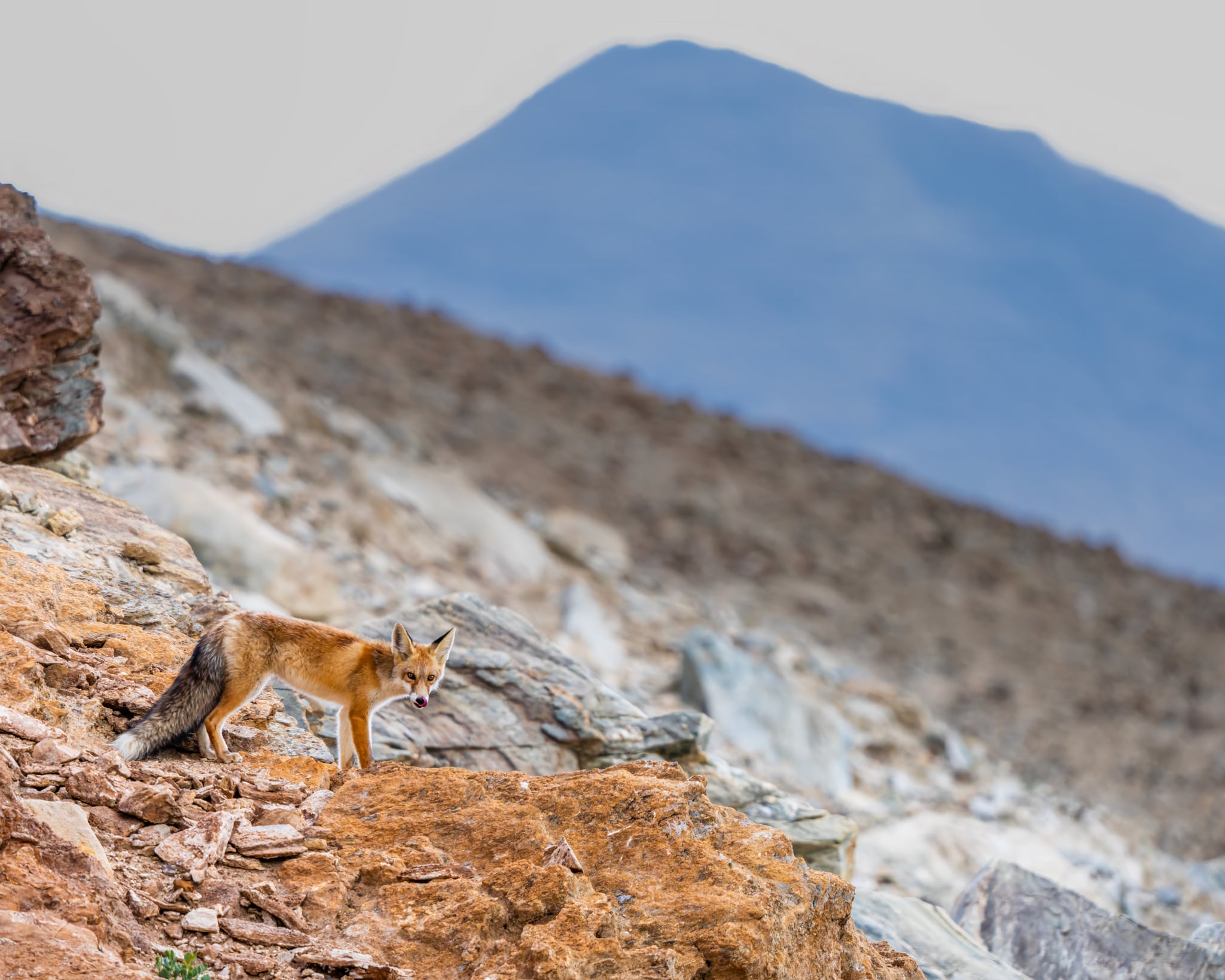
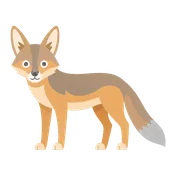 Indian foxVulpes bengalensisLCLeast Concern
Birds
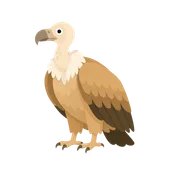 Himalayan griffonGyps himalayensisNTNear Threatened
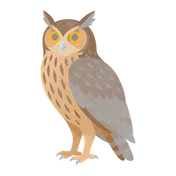 Pheasant
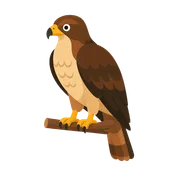 Raptor
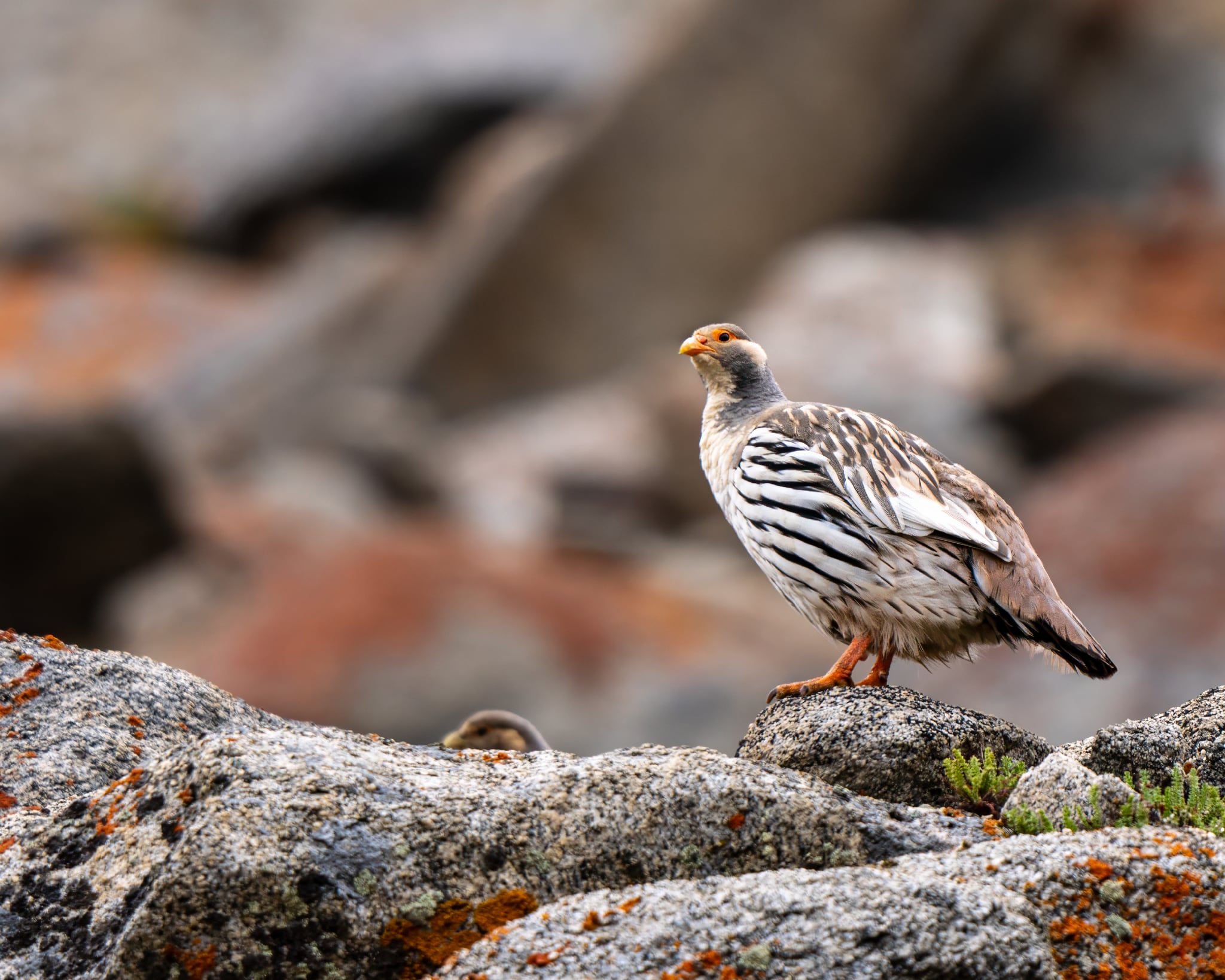
Notable birds include Lammergeier, Golden Eagle and Himalayan Snowcock.
From the field
Short clips recorded on my visits here.
Plan your visit
Late winter concentrates snow leopards and prey at lower elevations, offering the best chance of sightings; summer and autumn bring accessible trails, wildflowers at higher meadows and active raptors.
- Zones
- Rumbak Valley and Markha Valley
- Safari
- multi-day trekking and homestay-based snow leopard tracking; no vehicle safaris in the core valleys
- Typical sightings
- Distant snow leopards on ridges and scree slopes, bharal and ibex on slopes, raptors soaring over valleys.
- Light and terrain
- High-altitude light is intense with clear, dry air; long lenses and atmospheric perspective dominate compositions, with dramatic backdrops of snow peaks.
- Hides
- Temporary observation points and ridgeline vantage spots; some operators use makeshift hides near regular ridges.
- Good to know
- Permits and local guides required for certain valleys; weather and altitude impose strict safety limits on routes and camping.