






This atlas is in beta. I am still checking facts, ranges, and species lists, so some of it may be wrong or incomplete. It is here early so these places get seen. If you spot an error, write to me.
Valley of Flowers National Park
BetaA UNESCO World Heritage alpine valley in the Garhwal Himalaya, carpeted with hundreds of wildflower species through the monsoon.
Why this place matters
A floristically rich UNESCO World Heritage alpine valley, famous for its monsoon carpets of high-altitude wildflowers and its role in conserving rare Himalayan plants.
The wildlife
- Alpine Flora
Hundreds of species of alpine flowers carpet the meadows through the monsoon, the park's defining spectacle.
Iridescent Himalayan pheasant of the meadows and forest edge.
Wild sheep occasionally seen on the surrounding high slopes.
The wider field list, with current IUCN Red List status.
Mammals
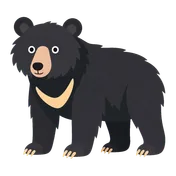 Himalayan black bearUrsus thibetanusVUVulnerable
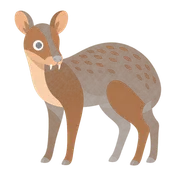 Himalayan musk deerMoschus leucogasterENEndangered
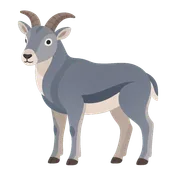 Bharal (blue sheep)Pseudois nayaurLCLeast Concern
Birds
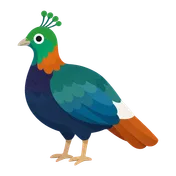 Himalayan monalLophophorus impejanusLCLeast Concern
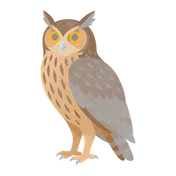 Pheasant
Notable birds include Himalayan Monal and Snow Partridge.
Plan your visit
The monsoon months bring spectacular flowering carpets; shoulder weeks provide clearer views of the surrounding peaks.
- Zones
- Valley of Flowers trekking trail and meadows
- Safari
- on-foot trekking only; no vehicles or pack animals inside the core meadows
- Typical sightings
- Expansive flower-filled meadows with surrounding peaks; occasional ungulates and birds at a distance.
- Light and terrain
- Monsoon cloud and rain create diffused light on flowers but can hide peaks; windows of clear weather yield dramatic mountain backdrops.
- Hides
- No hides; photography from trails and designated paths.
- Good to know
- Day visits only inside the valley; strict path adherence and no camping.