






This atlas is in beta. I am still checking facts, ranges, and species lists, so some of it may be wrong or incomplete. It is here early so these places get seen. If you spot an error, write to me.

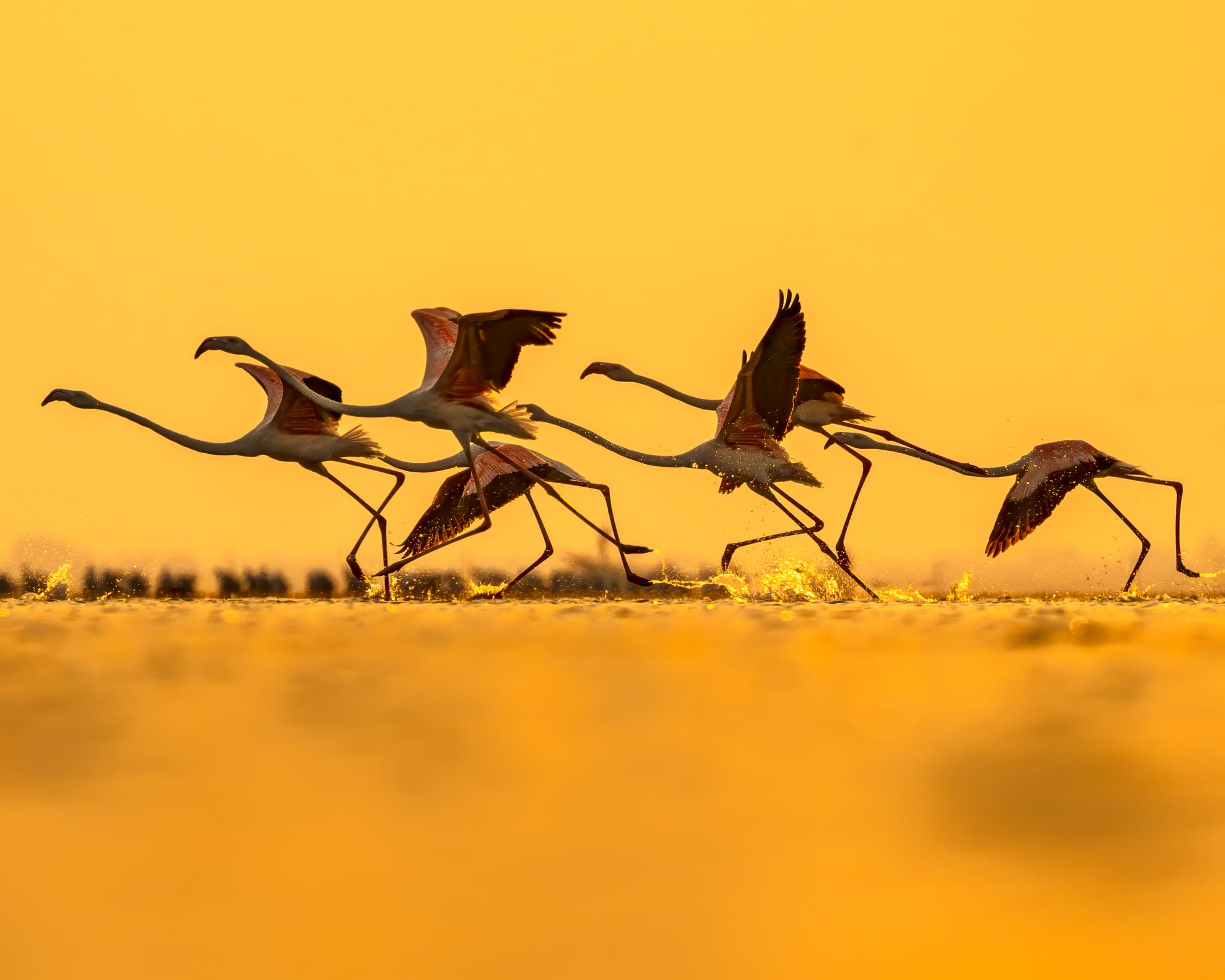
Chilika (Nalbana) Bird Sanctuary
BetaAsia's largest brackish lagoon and a Ramsar wetland, a wintering ground for over a million waterbirds and home to Irrawaddy dolphins.
Why this place matters
Asia's largest brackish lagoon and a Ramsar site hosting over a million migratory waterbirds and a resident Irrawaddy dolphin population, with great importance for coastal fisheries.
The wildlife
 Migratory Waterfowl
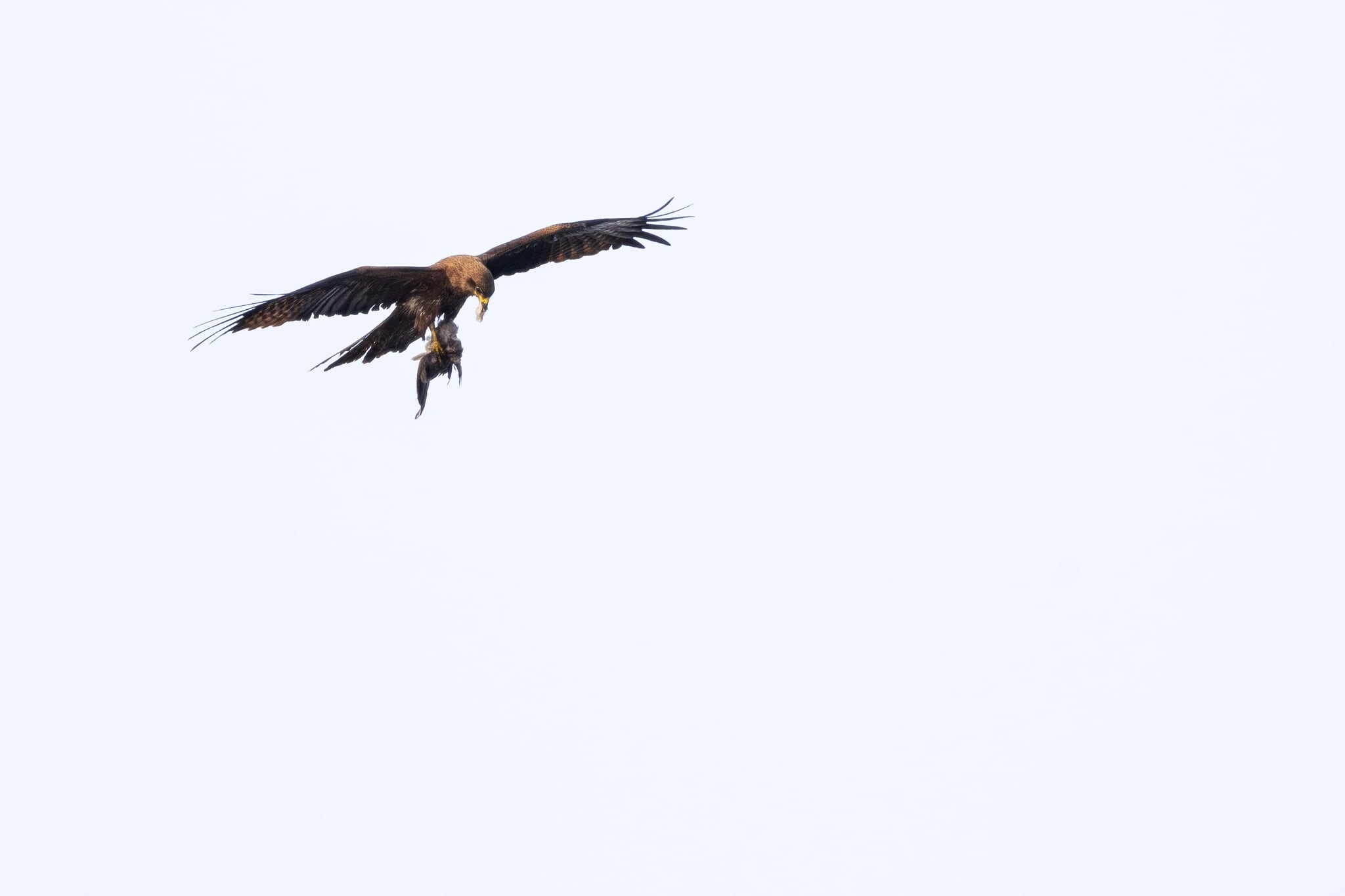
Up to a million migratory ducks, geese and waders winter across the lagoon.
- Black-tailed Godwit
Near-threatened shorebird seen in large numbers on the mudflats and marshes.
Resident dolphins in the outer channel near the lagoon mouth.
The wider field list, with current IUCN Red List status.
Mammals
 Ganges river dolphinPlatanista gangeticaENEndangered
Birds
 Asian openbillAnastomus oscitansLCLeast Concern
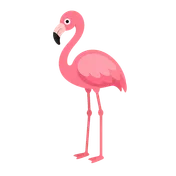 Greater flamingoPhoenicopterus roseusLCLeast Concern
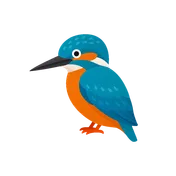 Kingfisher
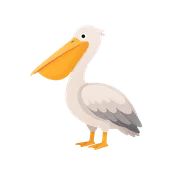 Spot-billed pelicanPelecanus philippensisNTNear Threatened
- Waterfowl
Reptiles
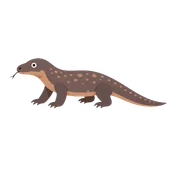 Bengal monitorVaranus bengalensisNTNear Threatened
200+ bird species recorded. Notable birds include Black-tailed Godwit, Northern Pintail, Gadwall, Garganey, Purple Swamphen and Greater Flamingo. Reptiles include Monitor Lizard.
Plan your visit
Winter brings dense flocks of ducks, geese and waders to the islands and marshes; the Nalabana mudflats hold large congregations of shorebirds.
- Zones
- Nalabana Bird Sanctuary and other Chilika islands and Satapada (dolphin channel)
- Safari
- guided boat safaris across the lagoon and to island mudflats; some shore-based observation points
- Typical sightings
- Flocks of ducks, geese and waders on islands and mudflats, gulls and terns over open water, Irrawaddy dolphins in the outer channel.
- Light and terrain
- Soft morning light over water with mist and reflections; strong midday glare on the open lagoon; a low angle from boats suits intimate bird portraits.
- Hides
- Occasional watchtowers; viewing is mainly from boats.
- Good to know
- Use authorised boats and follow route regulations; some areas restricted to protect roosting and breeding birds.