






This atlas is in beta. I am still checking facts, ranges, and species lists, so some of it may be wrong or incomplete. It is here early so these places get seen. If you spot an error, write to me.


Dudhwa National Park
BetaDudhwa is a Terai landscape of tall sal forest and marshy grassland along the Nepal border, quieter than the central Indian parks. It holds translocated rhino, swamp deer and a Terai tiger population.
Why this place matters
A Terai stronghold of sal forest and wet grassland that holds one of India's largest swamp deer populations and a reintroduced one-horned rhino population, forming the core of the Dudhwa Tiger Reserve and a transboundary landscape with Nepal's forests.
The wildlife
Dudhwa holds one of the largest swamp deer populations, on the wet grasslands and swamp edges.
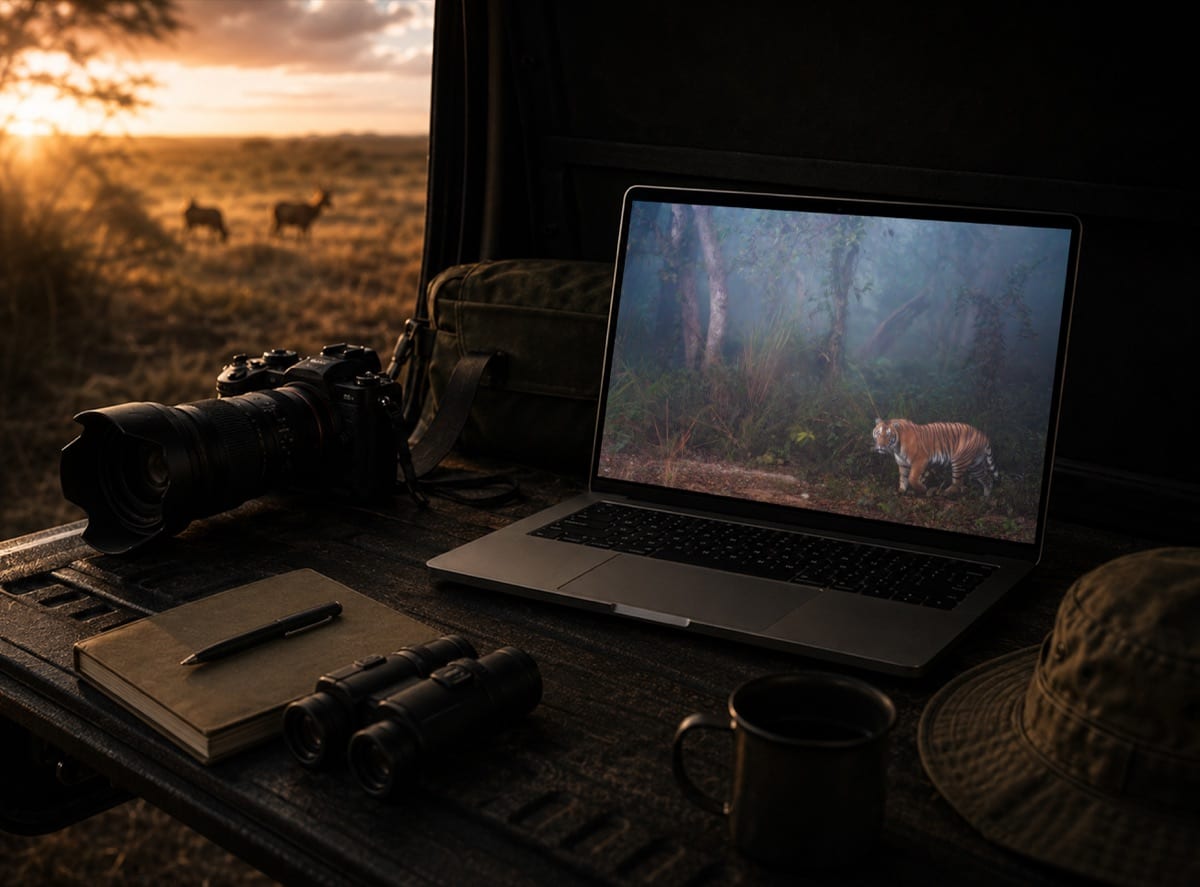
Terai tiger population using sal forest and grassland; Dudhwa is the core of the Dudhwa Tiger Reserve.
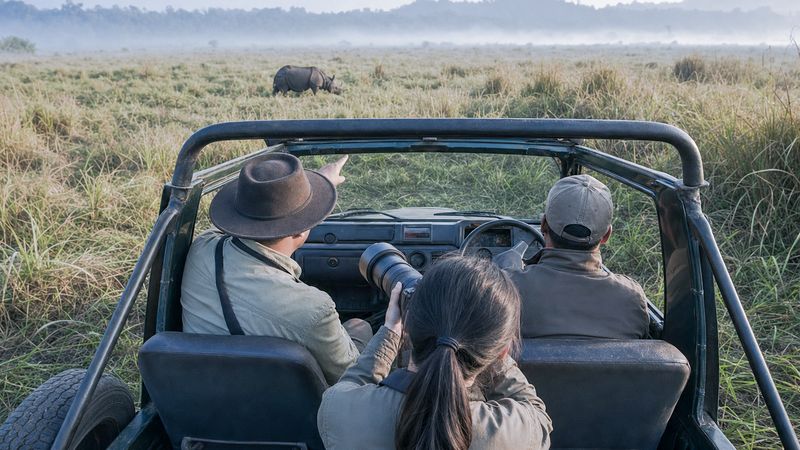
Reintroduced from 1984 into a fenced rehabilitation area and now breeding in the grasslands.
Rare grassland bustard that breeds in the tall Terai grass; sightings are seasonal and hard.
Herds move in from the Nepal side and feed mainly in the grasslands.
The wider field list, with current IUCN Red List status.
Mammals
 Asian elephantElephas maximusENEndangered
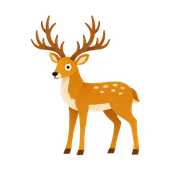 Barasingha (swamp deer)Rucervus duvauceliiVUVulnerable
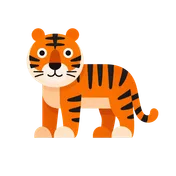 Bengal tigerPanthera tigris tigrisENEndangered
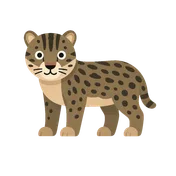 Fishing catPrionailurus viverrinusVUVulnerable
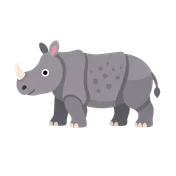 Greater one-horned rhinoRhinoceros unicornisVUVulnerable
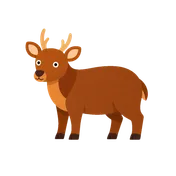 Hog deerAxis porcinusENEndangered
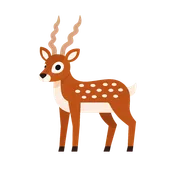 Chital (spotted deer)Axis axisLCLeast Concern
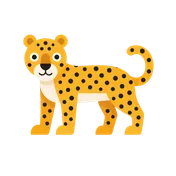 Indian leopardPanthera pardus fuscaNTNear Threatened
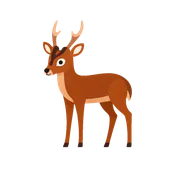 Indian muntjacMuntiacus muntjakLCLeast Concern
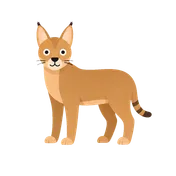 Jungle catFelis chausLCLeast Concern
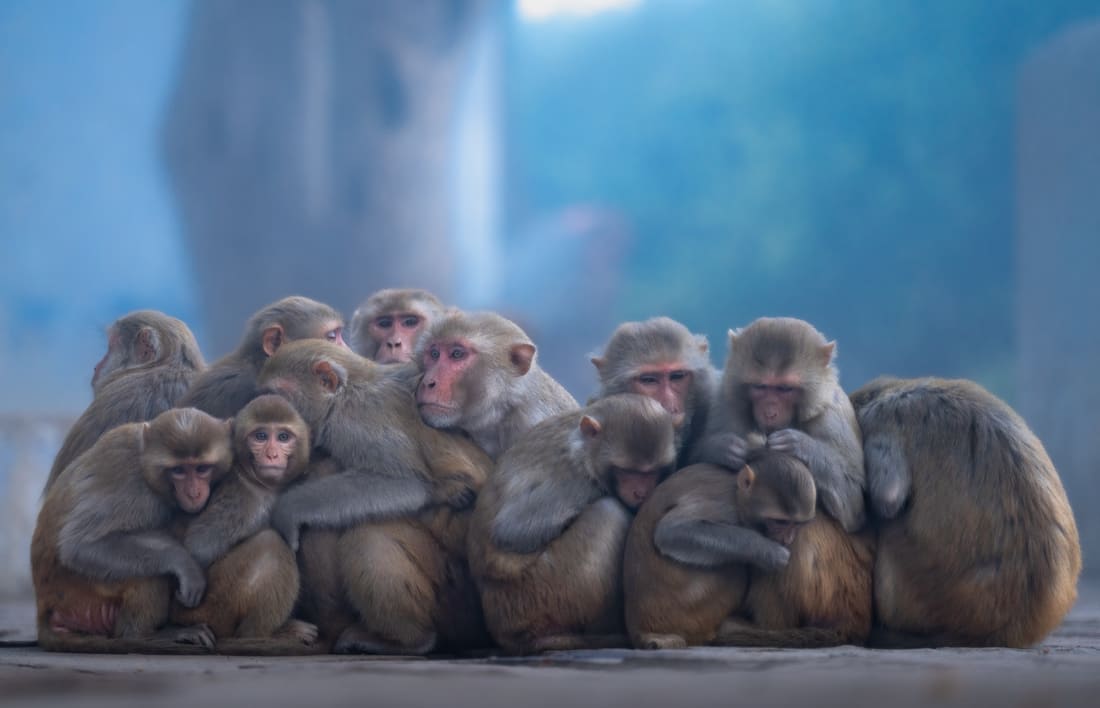
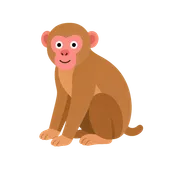 Rhesus macaqueMacaca mulattaLCLeast Concern
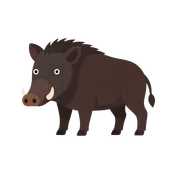 Wild boarSus scrofaLCLeast Concern
Birds
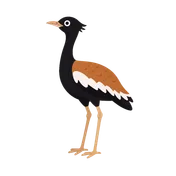 Bengal floricanHoubaropsis bengalensisCRCritically Endangered
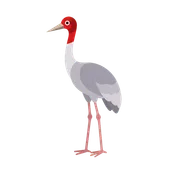 Sarus craneAntigone antigoneVUVulnerable
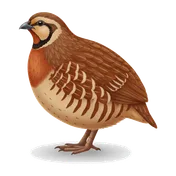 Swamp francolinOrtygornis gularisVUVulnerable
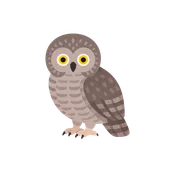 Jungle owletGlaucidium radiatumLCLeast Concern
Reptiles
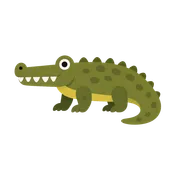 Mugger crocodileCrocodylus palustrisVUVulnerable
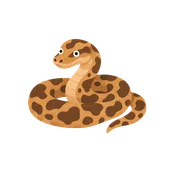 Indian rock pythonPython molurusNTNear Threatened
Notable birds include Bengal Florican, Swamp Francolin and Sarus Crane. Reptiles include Mugger and Indian Rock Python.
Plan your visit
Spring (March-April) offers optimal visibility as elephant grass is burnt and migratory herds of elephants arrive from Nepal.
- Safari
- Jeep, Elephant
- Typical sightings
- Rhinos foraging in flooded grasslands; tigers crossing forest tracks.
- Light and terrain
- Sal forest canopy blocks early morning light; optimal photography occurs in the open tals during late afternoon.
- Good to know
- Elephant safaris strictly regulated; zone boundaries strictly enforced.