






This atlas is in beta. I am still checking facts, ranges, and species lists, so some of it may be wrong or incomplete. It is here early so these places get seen. If you spot an error, write to me.


Kaziranga National Park
BetaA UNESCO-listed floodplain park on the Brahmaputra holding the world's largest population of one-horned rhino.
Why this place matters
A UNESCO-listed floodplain national park on the Brahmaputra, holding the world's largest population of Indian one-horned rhinoceros and globally important populations of elephant, wild water buffalo, swamp deer and waterbirds.
The wildlife
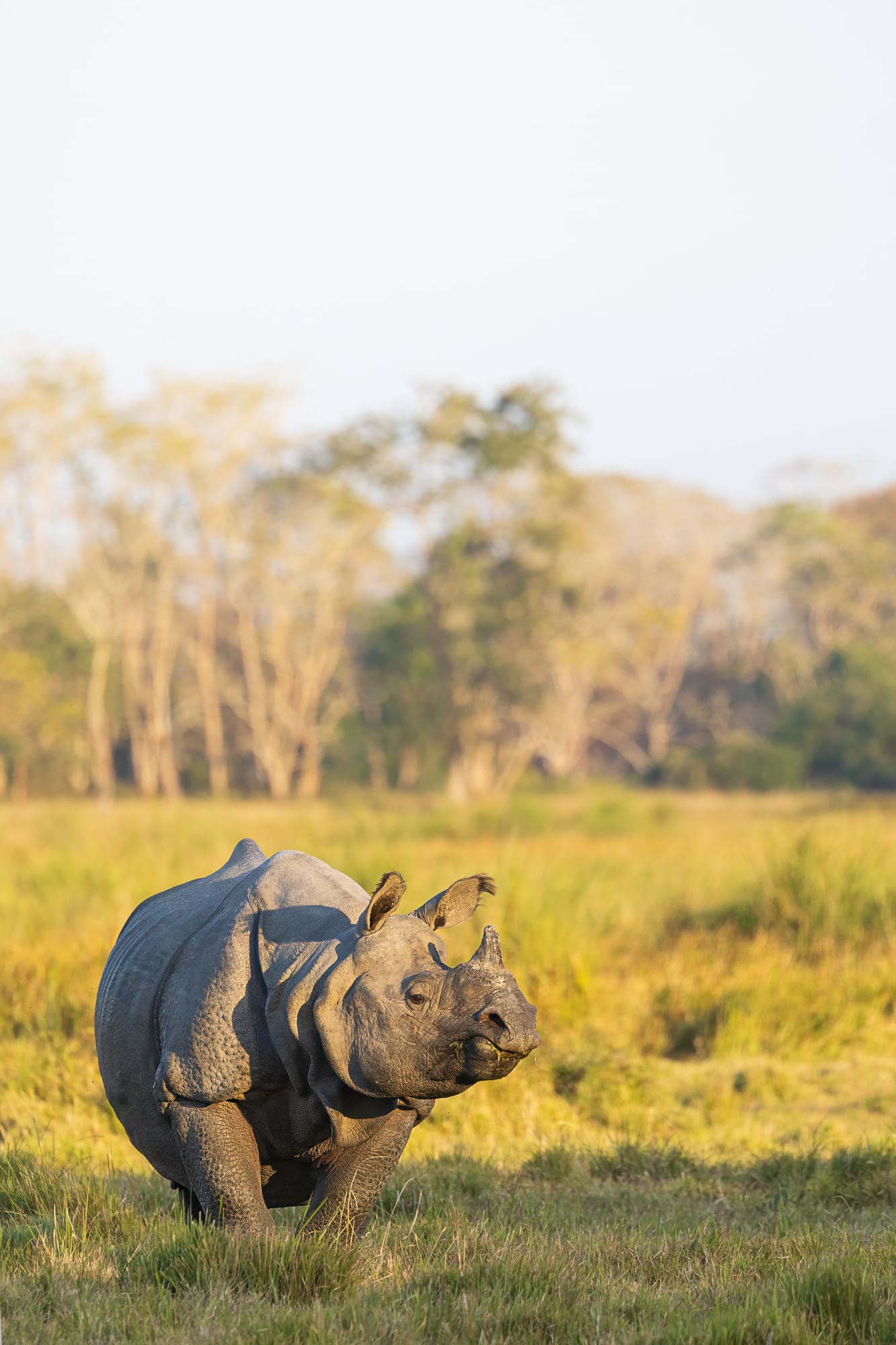
Holds the world's largest population of the species, in tall grassland and marsh habitat.
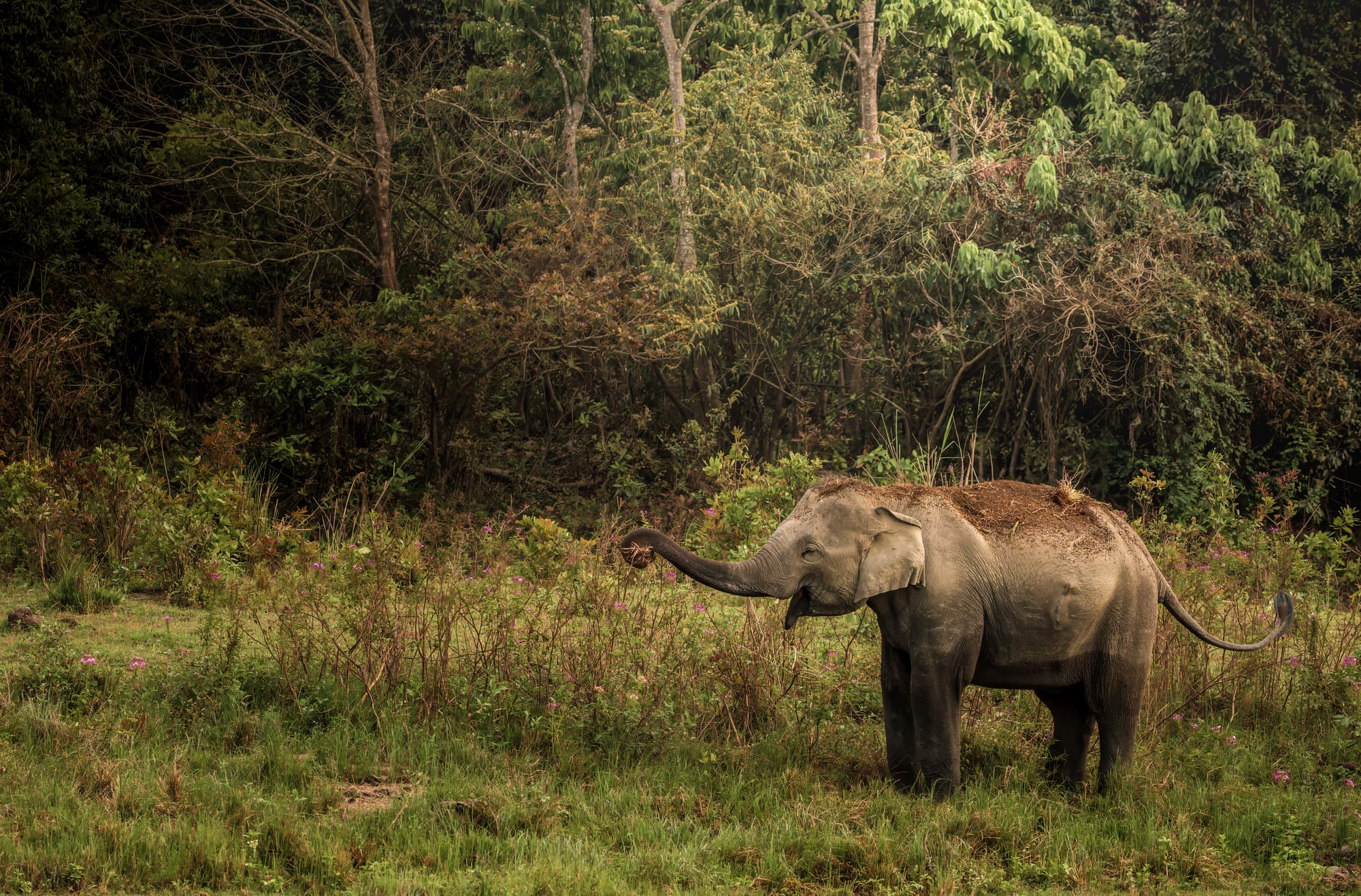
Large herds use grasslands and forested high ground, especially in drier months.
High-density tiger population in a rhino and buffalo prey system, though sightings can be hard in tall grass.
A globally important population occupying wet grasslands and beels.
The eastern barasingha race, associated with marshy grasslands.
The wider field list, with current IUCN Red List status.
Mammals
 Asian elephantElephas maximusENEndangered
 Barasingha (swamp deer)Rucervus duvauceliiVUVulnerable
 Bengal tigerPanthera tigris tigrisENEndangered
 Greater one-horned rhinoRhinoceros unicornisVUVulnerable
 Hog deerAxis porcinusENEndangered
 Wild water buffaloBubalus arneeENEndangered
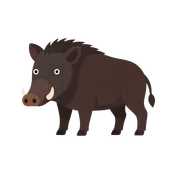 Wild boarSus scrofaLCLeast Concern
Birds
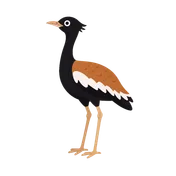 Bengal floricanHoubaropsis bengalensisCRCritically Endangered
 Pallas's fish eagleHaliaeetus leucoryphusENEndangered
 Greater adjutantLeptoptilos dubiusNTNear Threatened
 Waterfowl
Reptiles
 GharialGavialis gangeticusCRCritically Endangered
 Mugger crocodileCrocodylus palustrisVUVulnerable
 Indian rock pythonPython molurusNTNear Threatened
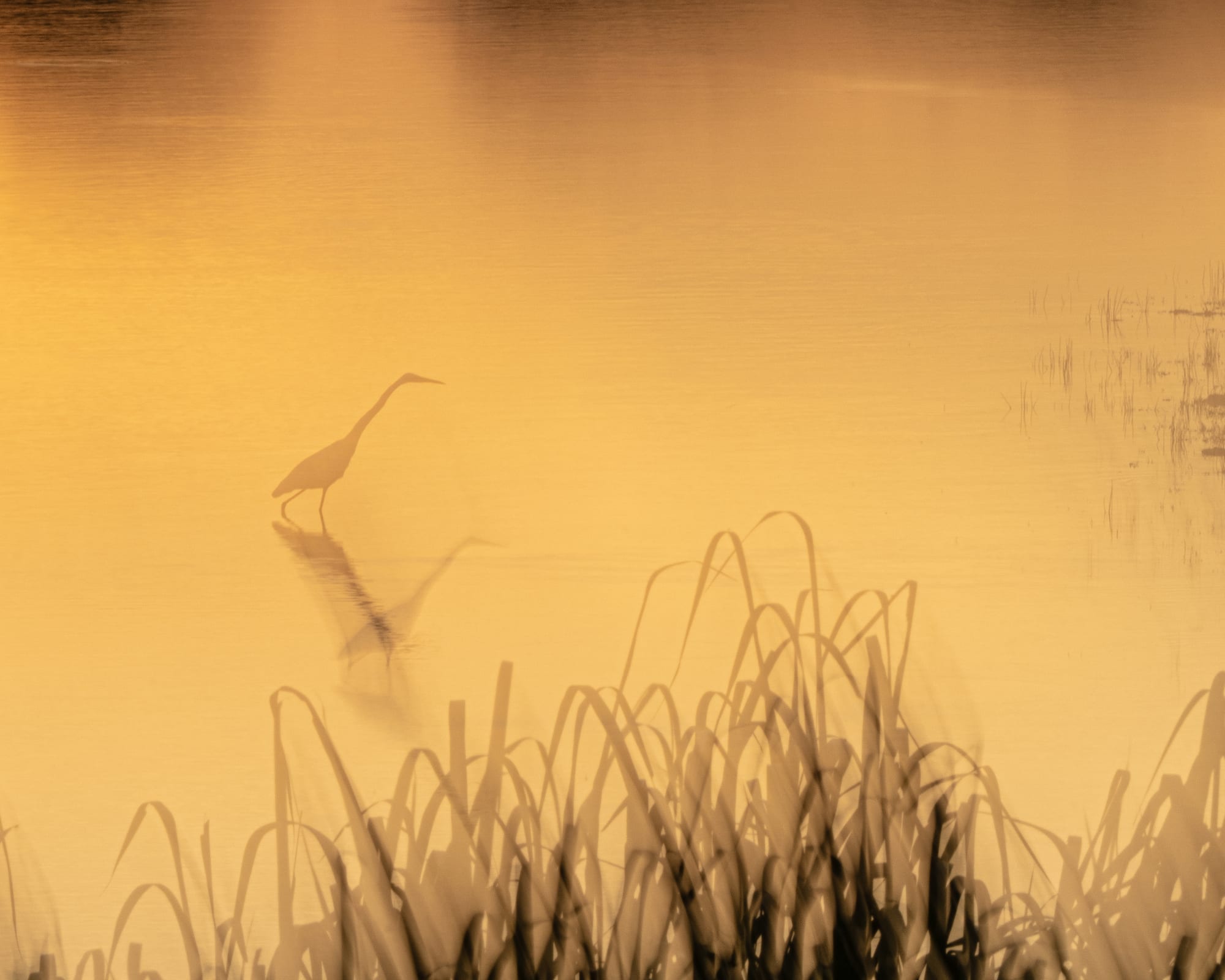
Notable birds include Greater Adjutant, Pallas's Fish Eagle, Bengal Florican and Bar-headed Goose. Reptiles include Gharial, Mugger and Indian Rock Python.
From the field
Short clips recorded on my visits here.
Plan your visit
Post-monsoon and winter bring receding floodwaters, grazing rhinos and elephants on open grasslands, and large concentrations of migratory waterfowl and raptors.
- Zones
- Kohora (Central), Bagori (Western), Agaratoli (Eastern) and Burapahar
- Safari
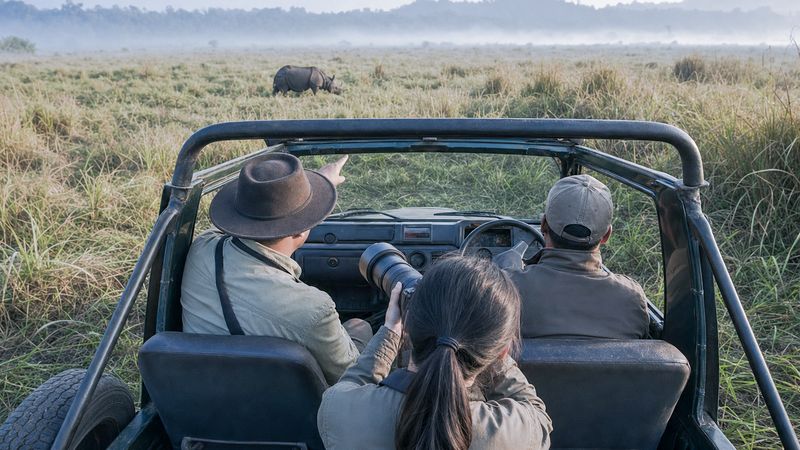
- jeep (and limited elephant-back rides as per current regulations)
- Typical sightings
- Rhinos, elephants and wild buffalo on grasslands and beels, hog deer and swamp deer, and numerous waterbirds and raptors.
- Light and terrain
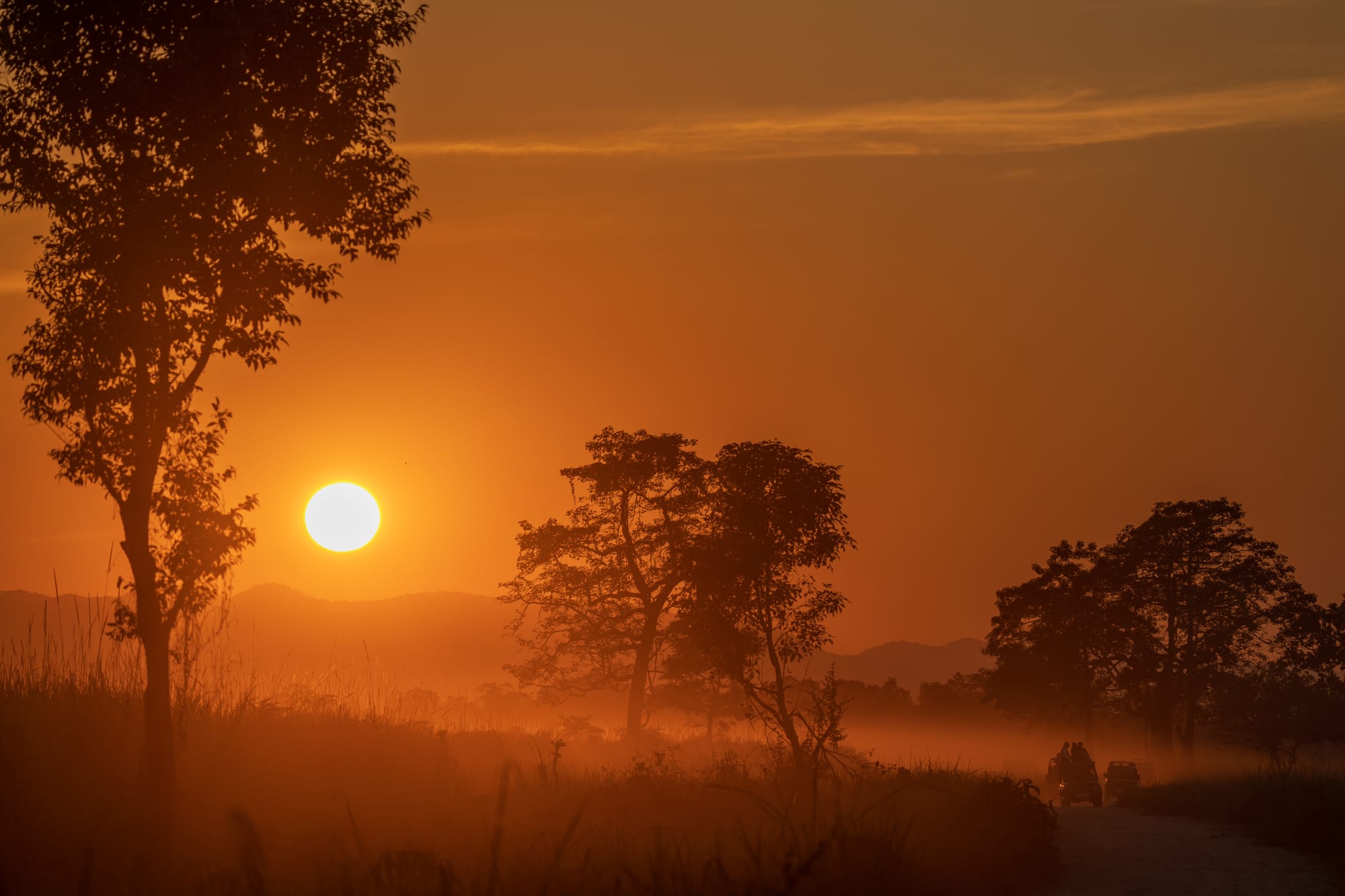
- Open floodplains and beels provide wide, backdropped views; tall grass can obscure animals at certain times of year, favouring elevated viewpoints.
- Hides
- No public hides; viewing from authorised vehicles and watch towers in select locations.
- Good to know
- Range-specific vehicle quotas and timings; elephant safaris with limited seats; monsoon closures extended when flooding persists.